Commercial Real Estate
Florida Commercial Real Estate Market 2026: Why Investors Prefer Private Lending
Published By Luminary Private Lending
- Author:
- Ivan Padilla
- Reviewed By:
- Kevin Mazzola
- Published:
- July 2, 2026
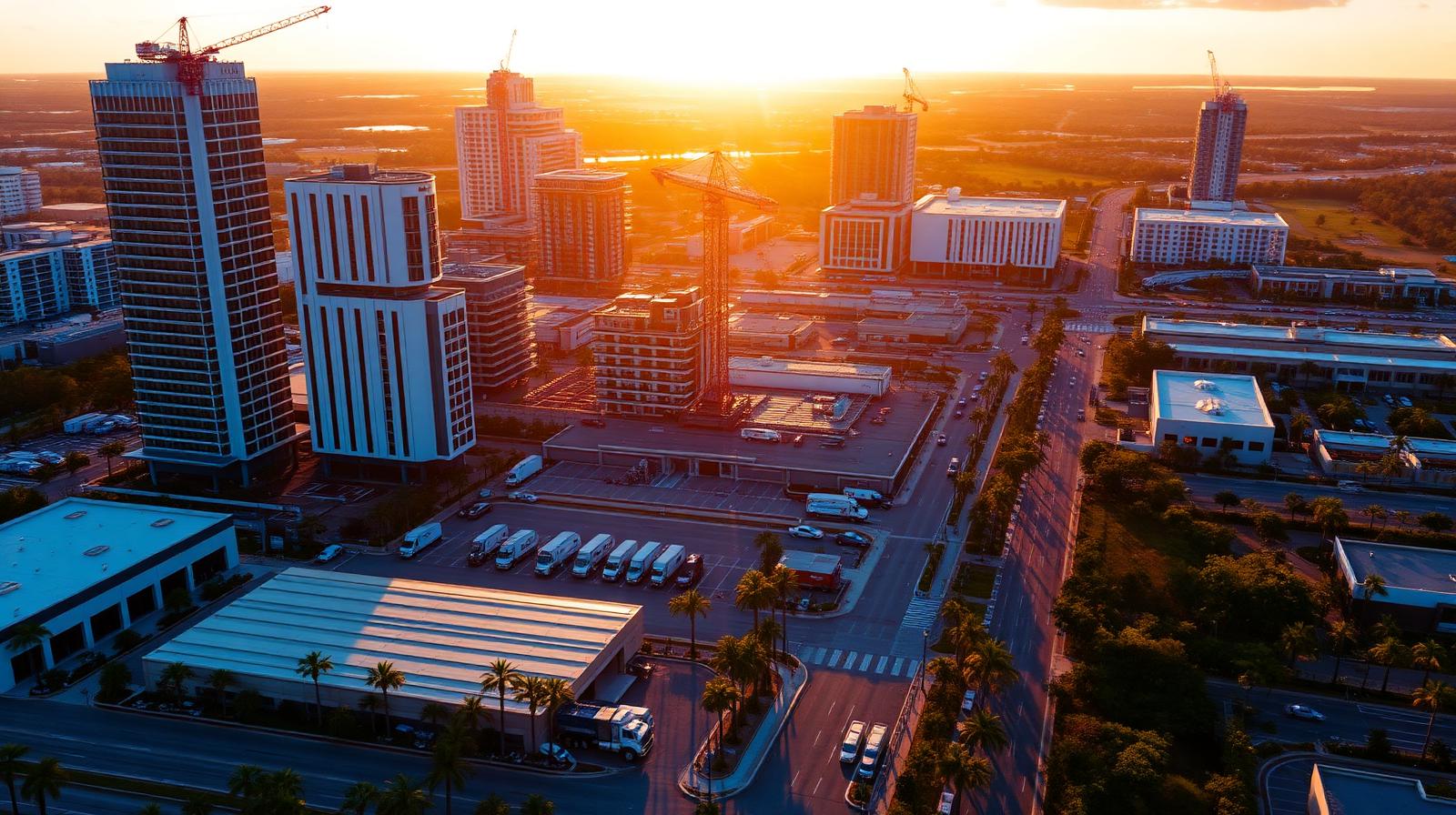
Higher rates, tighter bank underwriting, and rising insurance costs are reshaping Florida's commercial real estate market in 2026. See the sectors, regions, and private lending strategies investors are using now.
Florida remains one of the most active commercial real estate markets in the United States, but 2026 is a very different environment than the low-rate years that preceded it. Higher borrowing costs, tighter bank underwriting, and rising insurance premiums have reshaped how deals are financed and closed across the state.
According to the U.S. Census Bureau, Florida continues to rank among the nation's fastest-growing states, adding new residents who support demand for commercial housing, retail, healthcare, and industrial development. At the same time, recent Federal Reserve Senior Loan Officer Opinion Surveys indicate many banks have maintained tighter underwriting standards for commercial real estate loans, particularly for office and construction-related projects.
Key Takeaways. Florida Commercial Real Estate in 2026
- Higher interest rates continue affecting financing and cap-rate expectations statewide.
- Banks remain more selective than in prior cycles, with lower LTVs and longer underwriting.
- Industrial, medical office, self-storage, and neighborhood retail sectors remain strong.
- Private lending is delivering faster decisions and more flexible structures for qualifying projects.
- Experienced investors continue finding opportunities despite market adjustments.
In This Guide You'll Learn
- ✓ Why Florida commercial financing changed in 2026
- ✓ Which commercial sectors remain strong across the state
- ✓ Why banks tightened commercial underwriting
- ✓ When bridge, construction, and land loans make sense
- ✓ Regional insights for Central, South, Gulf Coast, and Northeast Florida
- ✓ Commercial lending strategies investors are using today
Table of Contents
- Why Florida's Commercial Market Is Changing
- What Higher Interest Rates Mean for Investors
- Why Banks Have Tightened Commercial Lending
- Why Private Lending Is Gaining Momentum
- Commercial Property Sectors Showing Opportunity
- Regional Snapshots Across Florida
- Financing Strategies Investors Are Using in 2026
- Common Mistakes Commercial Investors Should Avoid
- What Could Change the Market During 2026
- Frequently Asked Questions
- Sources
Why Florida's Commercial Real Estate Market Is Changing
Florida is among the fastest-growing states in the country. New residents continue to arrive from higher-tax, higher-cost markets, and businesses are expanding here thanks to a favorable tax climate, a larger workforce, and steady consumer demand. Cities such as Orlando, Tampa, Jacksonville, Miami, Lakeland, and Fort Myers remain magnets for developers seeking long-term gains.
Growth, however, does not guarantee easy financing. Several forces are shaping deal activity today:
- Higher interest rates versus the 2020–2021 cycle
- Stricter lending from traditional banks
- Rising construction and labor costs
- Elevated insurance premiums, particularly in coastal counties
- Longer due diligence and underwriting timelines
- Greater focus on project feasibility and sponsor experience
Luminary Insight. What We're Seeing Across Florida
At Luminary Private Lending, we're seeing more experienced investors focus on smaller commercial acquisitions, value-add projects, short-term bridge financing, renovation opportunities, and properties with strong equity positions. Sponsors that come to the table with clear exit strategies and realistic contingency budgets are closing deals, even in a tougher lending environment.
Higher Interest Rates Have Changed the Investment Equation
Interest rates touch nearly every commercial deal. When borrowing costs rise, investors have to ask whether the expected rental income, appreciation, or future resale value still justifies the purchase. Instead of asking "Can I buy this property?" today's investors are asking:
- Can this property generate enough cash flow at current rates?
- What happens if construction takes longer than projected?
- Will refinancing still be an option at exit?
- How much equity should I put in to protect the deal?
- Is my exit strategy realistic in this market?
Successful investors know financing isn't only about the lowest rate. It's about getting funding that fits the project's timeline, business plan, and long-term goals.
Why Traditional Banks Are Exercising Greater Caution
Banks are still key players in commercial financing, but many have become significantly more selective. Commercial borrowers may now face more detailed financial reviews, lower loan-to-value ratios, higher reserve requirements, additional documentation, and longer underwriting timelines, with extra scrutiny for ground-up construction projects.
This doesn't mean bank financing is out of reach. It does mean borrowers need stronger documentation and more patience before closing. For investors on tight deadlines, delays can add real risk.
Bank vs. Private Lender. At a Glance
| Traditional Bank | Private Lender |
|---|---|
| Longer underwriting (45–90+ days) | Faster decisions (often in days) |
| Standardized guidelines | Flexible, project-specific structures |
| Lower risk tolerance | Asset- and equity-focused review |
| Slower closings | Often 1–3 week closings |
| Heavy income & tax documentation | Documentation focused on deal & sponsor |
| Prepayment penalties common | Short-term, business-purpose structures |
Why Private Lending Is Gaining Momentum
As banks tighten, more investors are turning to alternatives. Private lenders often evaluate projects differently, considering the property's equity, the investor's strategy, timeline, and overall project strength. This flexibility can help investors financing:
- Bridge loans for acquisition or stabilization
- Construction projects across residential and commercial
- Vacant land purchases in growth corridors
- Value-add property renovations
- Business-purpose cash-out refinancing
- Urgent commercial opportunities that can't wait for bank approval
Private lending isn't a replacement for banking, it's an additional tool investors can use based on project needs and timeline pressure.
Commercial Property Sectors Showing Opportunity in Florida
Industrial and Warehouse Properties
Industrial real estate remains one of Florida's strongest commercial sectors. E-commerce, manufacturing, and distribution continue to drive demand near highways, ports, and airports. Orlando, Tampa, Jacksonville, and Miami are core logistics hubs, according to CBRE Research and JLL Research. Industrial assets typically feature longer leases and steady tenant demand.
Medical Office Buildings
Florida's aging population is increasing demand for healthcare services. Medical office buildings often see lower vacancy because providers sign longer leases and are less sensitive to consumer cycles than traditional office tenants.
Mixed-Use Developments
Mixed-use projects combining residential, retail, office, and entertainment continue gaining traction in downtown redevelopment corridors. These projects need careful planning and layered financing, but can produce multiple long-term income streams.
Self-Storage Facilities
Florida's population growth continues driving demand for self-storage. Facilities typically require fewer employees and carry lower operating costs than most other commercial properties.
Neighborhood Retail Centers
While big-box retail continues to struggle, neighborhood retail anchored by grocery stores, pharmacies, restaurants, and service businesses remains resilient. As residential communities expand throughout Florida, neighborhood retail typically follows.
Regional Snapshots Across Florida
Central Florida. Orlando, Kissimmee, Winter Garden, Sanford, Lake Nona, Apopka
Central Florida remains one of the most active commercial corridors in the state, driven by population growth, theme-park-related employment, healthcare expansion in Lake Nona, and logistics demand along the I-4 corridor. Investors are focused on industrial infill and neighborhood retail supporting new residential communities.
South Florida. Miami, Fort Lauderdale, West Palm Beach
South Florida continues to attract capital from finance, tech, and international investors. Multifamily, mixed-use, and last-mile industrial remain in focus, though insurance costs and land pricing require careful underwriting. See our Miami financing overview for market-specific insight.
Gulf Coast. Tampa, St. Petersburg, Sarasota
Tampa Bay remains a top-ranked market for population and job growth. Industrial demand along I-75 and I-4, along with medical office and neighborhood retail, continues to attract private capital. Coastal insurance costs remain a critical part of underwriting.
Northeast Florida. Jacksonville and St. Augustine
Jacksonville's port, logistics infrastructure, and lower land basis compared to South Florida keep industrial, self-storage, and multifamily development active. St. Augustine continues to see steady tourism-driven retail and hospitality investment.
Financing Strategies Commercial Investors Are Using in 2026
Bridge Loans
Bridge financing remains one of the most common tools for commercial investors. A bridge loan offers short-term funding until you secure permanent financing or sell a property, ideal for closing quickly on competitive opportunities, stabilizing income-producing properties, or completing renovations before refinancing.
Construction Financing
Florida continues to see demand for new commercial development. Construction loans typically fund projects through scheduled draws as work progresses, giving both lenders and developers a structured way to manage costs through completion.
Vacant Land Financing
Many commercial opportunities begin before construction ever starts. Investors purchase land in growing corridors before development activity intensifies. Undeveloped land carries different risk than finished buildings, so financing needs differ, see our vacant land loan program.
Equity-Based Lending
Some investors already own commercial or investment property with significant equity. Rather than sell, they can use that equity to fund additional acquisitions, renovations, or business expansion, a common strategy for experienced sponsors.
Common Mistakes Commercial Investors Should Avoid
- Waiting too long to secure financing. Talking with a lender before making an offer helps you understand structures, timelines, and negotiation leverage.
- Underestimating project costs. Construction, insurance, permits, and labor all continue to trend higher. Build realistic contingency budgets.
- Ignoring exit strategies. Every investment should include a clear refinance, sale, lease-up, or long-term hold plan defined before closing.
- Focusing only on interest rate. Closing speed, structure, and lender experience often matter more to the final outcome than the headline rate.
What Could Change the Market During the Rest of 2026
Several forward-looking factors will shape Florida commercial performance through year-end:
- Interest rate decisions from the Federal Reserve and their impact on cap rates
- Inflation trends affecting construction inputs and operating expenses
- Insurance market stabilization (or continued pressure) in coastal counties
- Continued population growth per U.S. Census data
- State and federal infrastructure spending
- Commercial construction pipeline deliveries impacting supply
- Office vacancy trends across major metros
- Sustained industrial demand tied to e-commerce and logistics
Frequently Asked Questions
Is Florida commercial real estate slowing in 2026?
Some sectors have seen slower transaction volume due to higher borrowing costs and stricter lending standards, but many Florida markets still attract businesses, developers, and investors thanks to population growth and long-term economic expansion.
What is a commercial bridge loan?
A commercial bridge loan is short-term financing used to purchase, renovate, or stabilize a commercial property before permanent financing or a sale. Terms are typically 6–24 months and are structured around the property's equity and business plan.
Is commercial real estate expected to recover in Florida?
Recovery is uneven by sector. Industrial, medical office, self-storage, and neighborhood retail have remained resilient, while traditional office continues to reprice.
Are office buildings still a good investment?
Class A trophy office in select submarkets continues to trade, but broadly, office vacancy remains elevated. Many investors prefer medical office or mixed-use conversions over traditional office in 2026.
How long do bridge loans last?
Most commercial bridge loans run 6 to 24 months, with extension options depending on the lender and project.
What is the average commercial down payment?
Bank commercial loans typically require 25–35% down. Private lenders often size loans against as-is or as-completed value, and required equity varies by asset and strategy.
Can LLCs qualify for commercial loans?
Yes, most business-purpose commercial financing, including Luminary's programs, is originated to LLCs or other entities holding investment property.
Do private lenders require appraisals?
Most private lenders order third-party appraisals or valuation reports to support underwriting, though timelines are often faster than bank processes.
What credit score is needed?
Private lending is primarily asset-based, but sponsor credit still factors into pricing and structure. Requirements vary by program.
Sources
- U.S. Census Bureau. Florida QuickFacts
- Federal Reserve. Senior Loan Officer Opinion Survey
- Bureau of Labor Statistics. Florida Employment
- Florida Realtors. Research & Statistics
- CBRE Research
- JLL Research
- NAIOP Research
Who Should Read This Guide?
This guide is designed for readers actively evaluating Florida commercial real estate financing:
- Commercial investors acquiring income-producing property
- Builders and developers running vertical construction
- Land investors positioning for growth corridors
- Fix-and-flip operators moving into small commercial or mixed-use
- Multifamily investors underwriting 5+ unit properties
- Warehouse, self-storage, and industrial sponsors
- Business owners buying their own occupied commercial property (business-purpose)
- Family offices and small syndications sourcing bridge or construction capital
Florida Commercial Market Snapshot (2026)
Featured Snippet. At-a-Glance Data
- State population: ~23.2 million residents (U.S. Census Bureau).
- Recent net migration: Florida has ranked among the top 3 U.S. states for net domestic migration for multiple consecutive years (Census).
- Nonfarm employment: ~10 million jobs statewide (BLS Florida Economy at a Glance).
- Industrial vacancy: Major Florida metros generally reporting single-digit industrial vacancy (CBRE, JLL).
- Office vacancy: Elevated versus pre-2020 in most U.S. markets, with Florida generally outperforming the national average (CBRE/JLL market reports).
- Federal Funds Rate: Elevated versus the 2020–2021 cycle per the Federal Reserve.
- Bank CRE lending: A net share of banks continues reporting tighter CRE standards in the Fed SLOOS.
Figures are directional; verify current values at the linked primary sources before underwriting.
What Is Commercial Private Lending?
Commercial private lending is business-purpose real estate financing provided by non-bank lenders that primarily evaluate a property's equity, project strength, sponsor experience, and exit strategy, rather than relying exclusively on traditional bank income and tax-return underwriting. Loans are typically short-term (6–36 months), asset-based, and issued to LLCs or other entities holding investment property.
People Also Ask
Can commercial bridge loans close faster than bank loans? Yes. Well-documented bridge loans can often close in 1–3 weeks versus 45–90+ days for many bank commercial loans, because private lenders focus on asset value and project strength rather than lengthy income verification.
Is private lending only for distressed properties? No. Private lending is used for acquisitions, value-add renovations, ground-up construction, land, and refinancing across performing and transitional properties.
The Commercial Lending Process at Luminary
Find Property
     ↓
Discuss Financing (Luminary)
     ↓
Review Project & Business Plan
     ↓
Property Valuation / Appraisal
     ↓
Underwriting & Term Sheet
     ↓
Approval & Loan Documents
     ↓
Closing
     ↓
Project Funding & Draw Schedule
Every step is designed to protect both the sponsor and the capital. Sponsors who prepare documentation early, entity docs, budget, comps, insurance, typically move through this process fastest.
Pros & Considerations of Commercial Private Lending
Pros
- Faster closings than most bank commercial loans
- Flexible, project-specific structures
- Asset- and equity-based decisioning
- Renovation and construction draws supported
- Entity-friendly (LLCs, corps, trusts)
- Speed to compete on off-market and distressed deals
Considerations
- Rates typically higher than conventional bank pricing
- Shorter loan terms (usually 6–36 months)
- Clear exit strategy required (refinance or sale)
- Business-purpose only, no owner-occupied consumer mortgages
- Coastal insurance still a material underwriting factor
Property Type Comparison
| Sector | Demand | Risk Profile | Typical Financing |
|---|---|---|---|
| Industrial / Warehouse | High | Low–Moderate | Bridge, construction, permanent |
| Medical Office | High | Moderate | Bridge, permanent |
| Self-Storage | High | Low–Moderate | Construction, bridge |
| Neighborhood Retail (grocery-anchored) | Moderate | Moderate | Bridge, permanent |
| Mixed-Use | Moderate–High | Moderate | Construction, bridge |
| Multifamily (5+ units) | High | Moderate | Bridge, agency permanent |
| Traditional Office | Lower | Higher | Selective bridge only |
| Hospitality | Variable | Higher | Bridge, SBA, specialty |
Expanded Florida Geographic Coverage
Luminary evaluates deals across Florida. Additional active investor markets we regularly see beyond the core metros above include:
- Naples & Bonita Springs, Luxury residential, medical office, and mixed-use.
- Ocala & Marion County, Distribution and equestrian-adjacent development along I-75.
- Gainesville, University-driven multifamily and medical office.
- Pensacola, Coastal mixed-use, hospitality, and workforce housing.
- Tallahassee, Government, university, and stabilized multifamily.
- Port St. Lucie & the Treasure Coast, Fast-growing residential and neighborhood retail.
- Daytona Beach & Volusia County, Hospitality, industrial, and mixed-use redevelopment.
- Cape Coral & Lee County, Residential construction and small commercial.
- Palm Coast & Flagler County, Rapid population growth driving new retail and multifamily.
- Melbourne & the Space Coast, Aerospace and defense-driven industrial and workforce housing.
Florida Commercial Lending Timeline (2021–2026)
2021  Low interest rates, aggressive leverage, cap-rate compression
   ↓
2022  Federal Reserve begins tightening; borrowing costs rise
   ↓
2023  Banks tighten CRE standards (per Fed SLOOS); deal volume slows
   ↓
2024  Coastal insurance premiums rise; underwriting adds contingency
   ↓
2025  Broader commercial repricing; office vacancy elevated nationally
   ↓
2026  Private lending share grows as banks stay selective; industrial
      and medical office remain resilient across Florida
A Note From Luminary's Director of Growth
"We're seeing experienced investors prioritize equity, liquidity, and realistic exit strategies over aggressive leverage. Projects with strong fundamentals continue moving forward across Florida, even in a more disciplined lending environment. The winners in 2026 aren't the sponsors chasing the lowest rate; they're the ones closing on time with a plan that survives contact with the market."
Ivan Padilla, Director of Growth and Real Estate Lending Specialist, Luminary Private Lending
What We Expect for 2027
- Rates: Any easing from the Federal Reserve would gradually improve cap-rate math, but investors should not underwrite deals that only work if rates fall.
- Industrial: Continued demand tied to logistics and e-commerce; new deliveries could soften rent growth in select submarkets.
- Office: Slow, uneven recovery; medical office and Class A trophy assets continue to outperform.
- Insurance: Coastal premiums remain a critical part of any Florida pro forma; carrier capacity is the key variable.
- Development pipeline: Fewer speculative starts than in 2021–2022 should support stabilized-asset pricing over the next 18–24 months.
- Private lending: Continued growth in share of commercial originations as banks remain selective.
Commercial Real Estate Glossary
- Bridge Loan: Short-term financing used to acquire, stabilize, or reposition a property before permanent financing or sale.
- Loan-to-Value (LTV): The loan amount divided by the property's value, expressed as a percentage. A common risk measure used by lenders.
- Loan-to-Cost (LTC): The loan amount divided by total project cost. Common on construction and value-add projects.
- Debt Service Coverage Ratio (DSCR): Net operating income divided by annual debt service. Measures cash-flow cushion.
- Cap Rate: Net operating income divided by property value. A shorthand for unlevered yield.
- Sponsor: The individual, entity, or team responsible for executing the investment business plan.
- Ground-Up Construction: A new build starting from bare land or a demolished site.
- Value-Add: A strategy that increases property value through renovation, releasing, or operational improvements.
- Refinancing: Replacing existing financing with a new loan, often to reduce rate, extend term, or extract equity.
- Business-Purpose Loan: A loan made to a business or entity for investment or commercial use, not a consumer mortgage.
Related Guides & Topical Cluster
- How Commercial Bridge Loans Work
- Commercial Construction Loan Guide
- Vacant Land Loans in Florida
- Second Mortgage & Equity-Based Financing
- Miami Commercial Financing Overview
- Orlando Investor Financing
- Tampa Investor Financing
- Jacksonville Investor Financing
- More Florida Real Estate & Lending Insights
Final Thoughts
Florida's commercial real estate market is evolving, not disappearing. Higher rates, rising insurance costs, and stricter lending have changed how deals are financed, but they've also pushed the market toward more disciplined underwriting. Investors who understand today's environment, evaluate opportunities carefully, and choose the right financing structure can still build meaningful commercial positions across the state.
Every commercial investment is different. Before selecting a financing strategy, evaluate your timeline, equity position, exit strategy, and long-term goals. Understanding your options early can help you move more confidently when opportunities arise.
About the Author & Reviewer
Ivan Padilla, Director of Growth and Real Estate Lending Specialist at Luminary Private Lending. Ivan works with Florida investors on business-purpose real estate financing. Lending specialties: bridge loans, ground-up construction, value-add commercial, and vacant land. Markets served: statewide Florida, with concentration in Central Florida, Tampa Bay, South Florida, and Northeast Florida. Loan types originated: bridge, construction, second mortgage, and vacant land, primarily for real estate investors, builders, and developers.
Fact-checked by Kevin Mazzola, Senior lending advisor at Luminary, focused on Florida investor strategy, underwriting quality, and market intelligence. Reviews Luminary educational content for lending accuracy, market relevance, and alignment with current guidelines.
Technical review: Commercial Lending Guidelines · Editorial policy: Articles are drafted by Luminary's team, reviewed by a second team member, and updated on material market or policy changes.
Published by: Luminary Private Lending · Last reviewed: July 2, 2026.
Disclosures
Business-purpose financing: Luminary Private Lending originates business-purpose loans to investors, builders, and entities in Florida. We do not offer consumer mortgages on owner-occupied homes.
⌂ Equal Housing Opportunity. See our Fair Lending Statement.
Educational content only: This article is educational in nature and does not constitute financial, legal, tax, or investment advice. Programs, terms, rates, and underwriting are subject to change without notice.
Related Florida Lending Resources
Keep Reading
Latest Insights
Keep exploring Florida private lending insights.
Florida Market
Florida Private Lending: Why Orlando's Tech Growth Is Creating Real Estate Investment Opportunities in 2026
Orlando's tech boom, Gen Z migration, and Central Florida growth corridors are creating real opportunities for investors. See how Florida private lending, bridge, construction, land, and second-mortgage programs, helps close deals faster in 2026.
Broker Resources
Florida Private Lending Partner for Real Estate Brokers
A practical guide for brokers bringing Florida real estate opportunities to Luminary, including eligible deal types, the submission checklist, review process, common delays and transaction specific limitations.

Investor Education
Can an LLC Get a Real Estate Loan Without Personal Credit? A Florida Private Lending Guide
An LLC real estate loan without personal credit as the deciding factor is possible with asset-based private lenders. This Florida guide covers what lenders review instead, LTV math with worked scenarios, new-LLC and free-and-clear situations, the difference between a credit pull and a personal guarantee, and a borrower document checklist.
Investor Education
What Is Cross Collateralization in Private Lending? A Complete Guide for Real Estate Investors
Cross collateralization lets investors combine equity from several properties to secure one loan. Here is how the collateral package works, who it fits, the risks, lender requirements, and a Florida example that closed in ten days.
Florida Commercial Real Estate
Southwest Florida's Next Commercial Real Estate Boom? Why Institutional Investors Are Betting Big on the Gulf Coast
Institutional capital is quietly pouring into Southwest Florida's Gulf Coast, from Tampa to Naples. Here's why the I-75 corridor is Florida's next commercial real estate growth engine, and how investors can position for it.
Florida Real Estate Market
Southwest Florida Foreclosures Are Rising in 2026: What It Means for Florida Real Estate Investors
Cape Coral and Fort Myers are leading Florida in foreclosure filings. It's not another 2008, it's a market reset. Here's what Florida real estate investors need to know, and how to move fast.
Florida Real Estate Market
Florida Housing Construction Trends 2026: What Fewer Building Permits Mean for Real Estate Investors
Florida building permits have slowed in 2026. Here's what fewer new construction starts mean for investors, plus the loan programs that help you move faster than traditional banks.
Florida Real Estate Market
Fastest-Growing Home Prices Around Orlando in 2026: What Florida Investors Need to Know
Where Orlando-area home prices are rising fastest in 2026, which suburbs to watch, and how bridge, construction, second-mortgage, and vacant-land financing help investors act.
Florida Housing Market
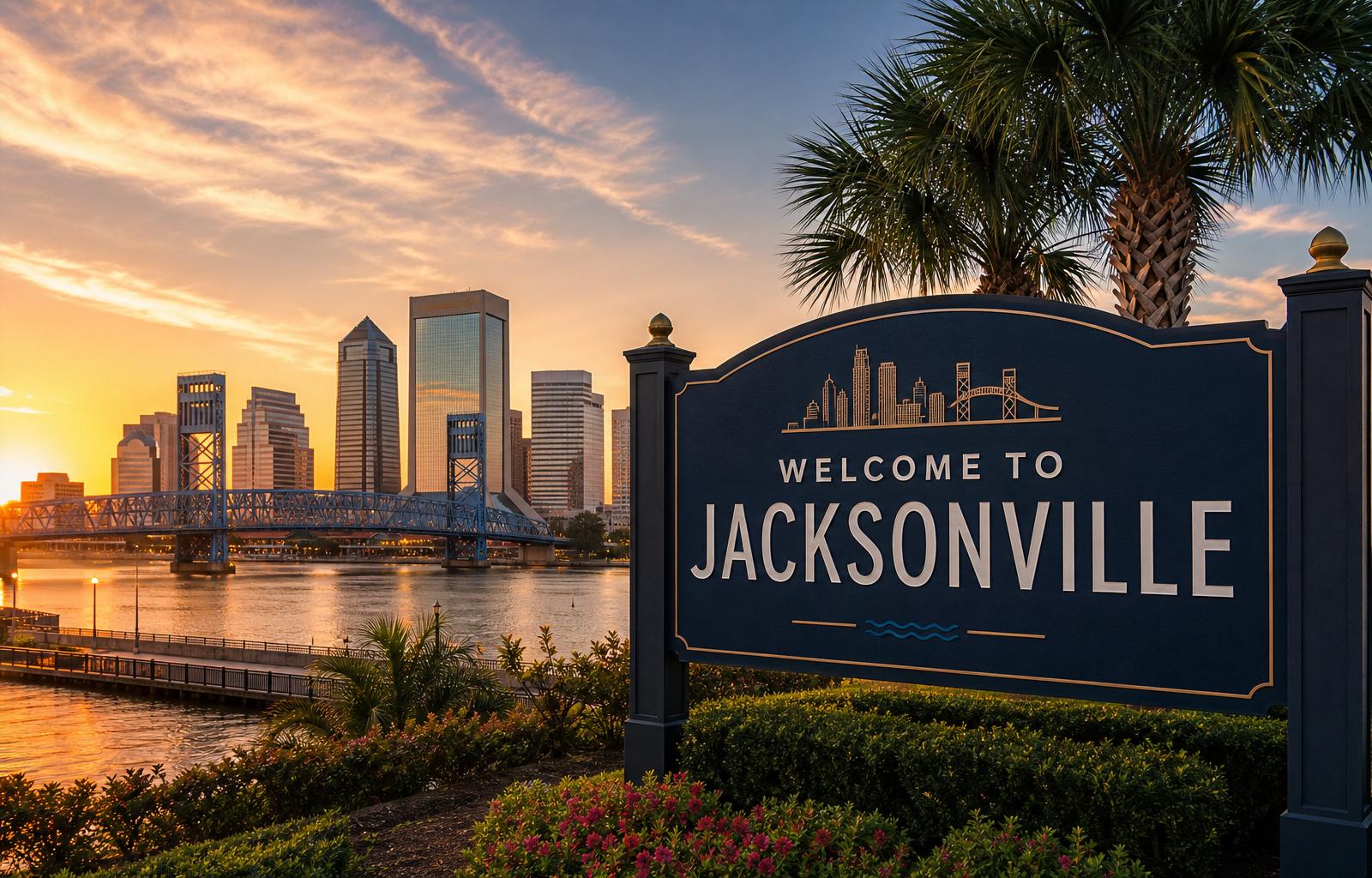
Florida Housing Market Update 2026: What Rising Northeast Florida Home Prices Mean for Real Estate Investors
Northeast Florida home prices climbed ~5.1% while inventory improved and homes sold faster. See what this means for investors using bridge loans, construction financing, and value-add strategies across Jacksonville, St. Augustine, and surrounding counties.
Florida Housing Market
Florida Housing Market 2026: Is Now a Better Time for Real Estate Investors?
Florida's housing market is rebalancing in 2026, more inventory, longer days on market, and real negotiating room. See what it means for investors, builders, and the bridge and construction financing that wins deals.
Florida New Construction
Why Florida's New Construction Market Offers Opportunities for Real Estate Investors in 2026
Population growth, job expansion, and tight inventory are fueling Florida's 2026 new construction boom. See market data, investor playbooks, and the private financing winning deals.
Florida Market
Florida Bridge Loans: How Investors Are Winning More Deals With Private Capital in 2026
Florida bridge loans are helping investors, builders, and developers close faster in Orlando, Tampa, Miami, Jacksonville, and Fort Lauderdale. Charts, comparisons, and a real bridge-loan case study for 2026.