Florida Housing Market
Florida Housing Market 2026: Is Now a Better Time for Real Estate Investors?
Published By Luminary Private Lending
- Author:
- Ivan Padilla
- Reviewed By:
- Kevin Mazzola
- Published:
- July 1, 2026
Florida's housing market is rebalancing in 2026, more inventory, longer days on market, and real negotiating room. See what it means for investors, builders, and the bridge and construction financing that wins deals.
Published: July 1, 2026 · Last Updated: July 1, 2026 · Reading time: 10 min
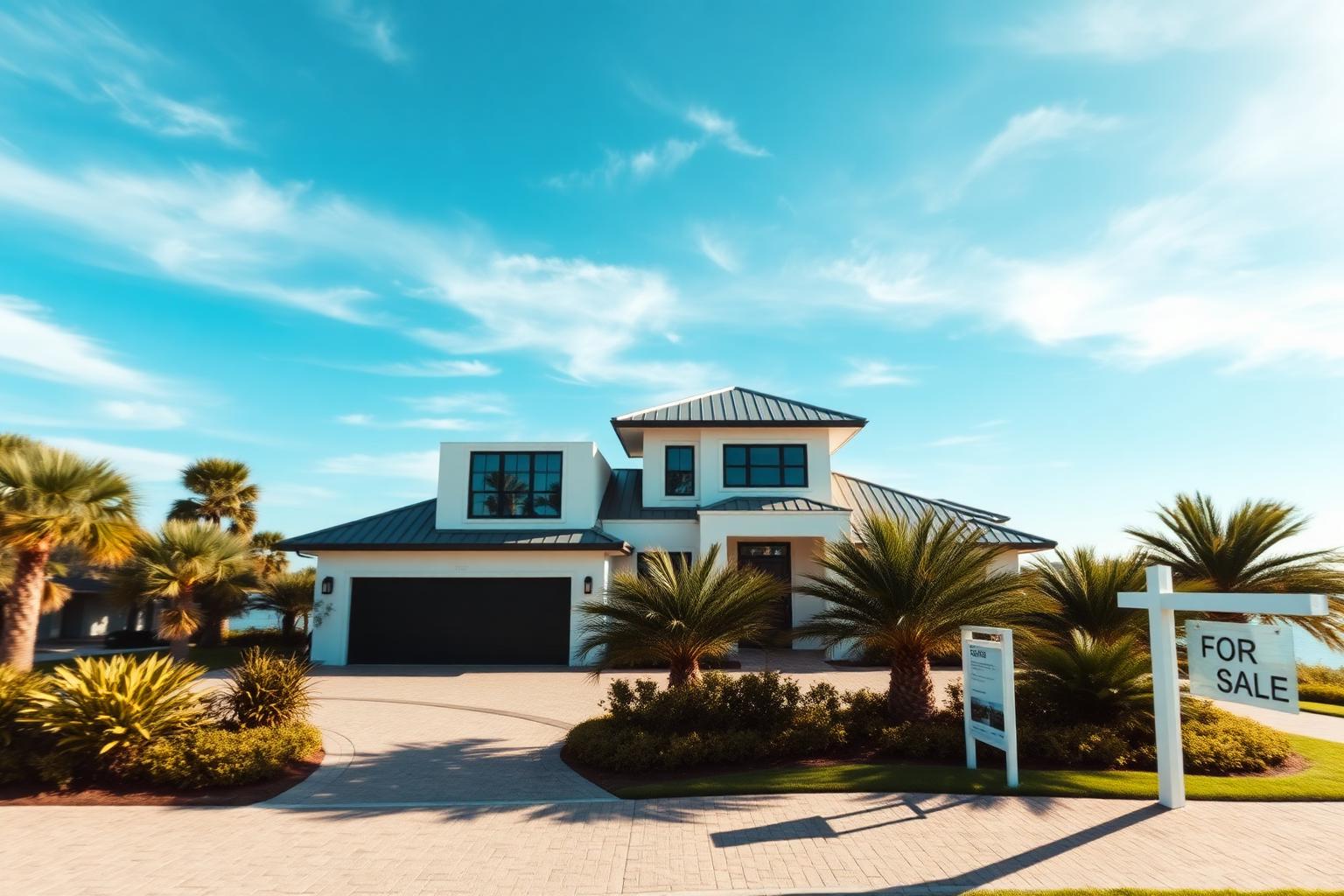
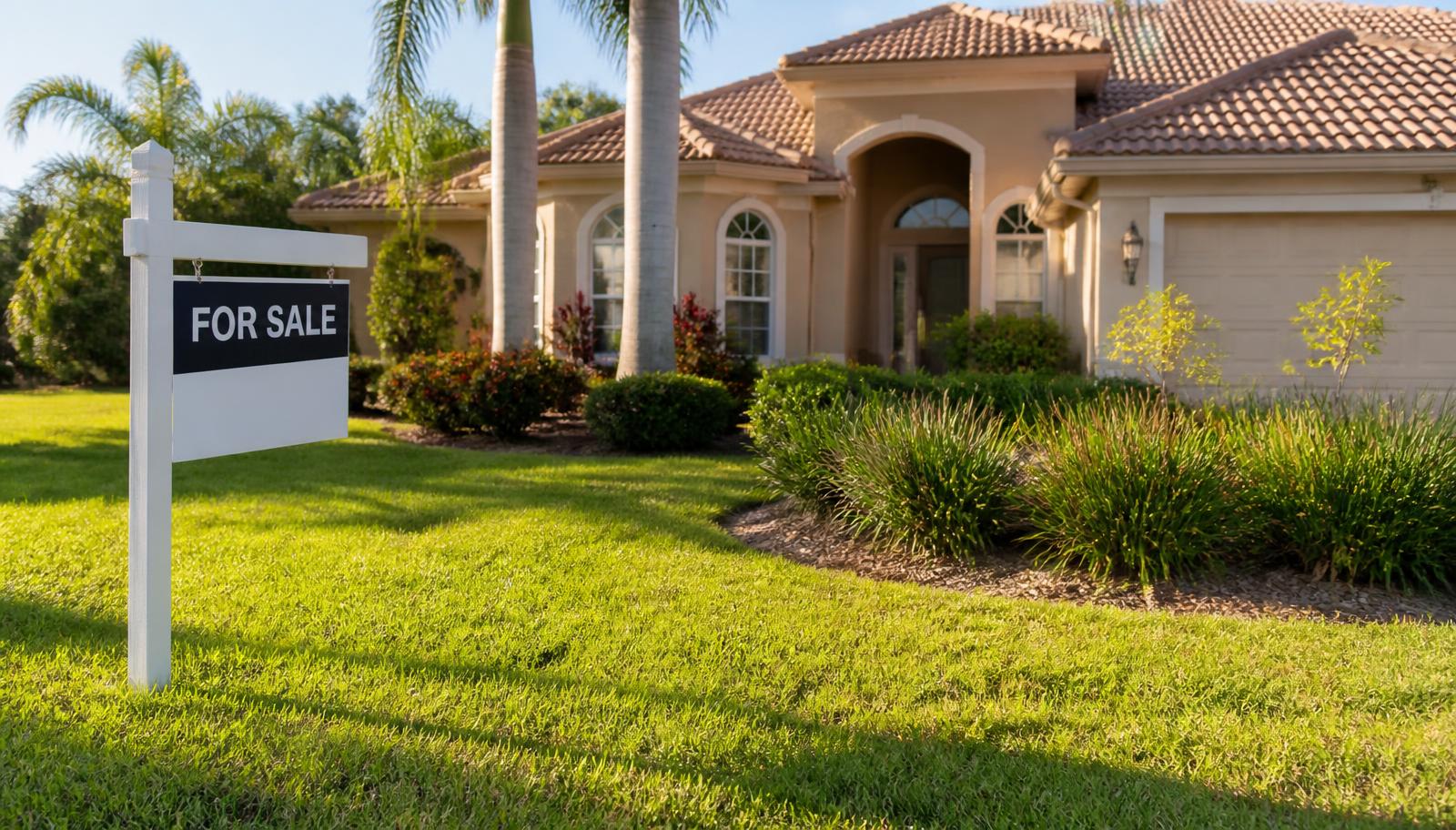
Photo: A modern Florida coastal home listed for sale in 2026, a familiar sight as more inventory returns to the state's housing market.
Florida's housing market has entered a new phase in 2026. After several years of frenzied bidding, waived inspections, and double-digit price gains, the market is finally showing signs of balance, more inventory, longer days on market, and real negotiating room for investors, builders, and developers.
In This Guide You'll Learn
- Why Florida's housing market is balancing in 2026
- What higher inventory means for real estate investors
- Which Florida counties still offer the strongest opportunities
- How bridge and construction loans help investors move faster
- Key risks to underwrite before you buy
- What Luminary's lending process looks like from application to funding
For real estate investors evaluating Orlando, Tampa, Jacksonville, Miami, and the counties surrounding them, the shift is not a warning sign. It is an opening. According to the U.S. Census Bureau, Florida remains one of the fastest-growing states in the country by net migration, even as home sales activity has cooled from 2021–2022 peaks. Data from Florida Realtors, the Federal Housing Finance Agency, and the National Association of Home Builders all point to the same reality: demand is durable, supply is normalizing, and disciplined capital wins.
Key Takeaways
- Florida's housing market is rebalancing, not crashing, inventory is up, but population growth continues.
- Median days on market have climbed in Orange, Hillsborough, Duval, and Miami-Dade counties versus 2022 lows.
- Builders keep breaking ground on single-family, build-to-rent, and workforce housing across Central Florida.
- Speed of capital, via bridge, construction, vacant land, and second mortgage loans, is the new competitive edge.
Table of Contents
- Florida Housing Snapshot (2026)
- What a Balanced Market Really Means
- More Inventory, More Opportunity
- Interest Rates & Affordability
- Orlando & Central Florida Focus
- County-by-County Snapshot
- Why Financing Matters More Than Ever
- Loan Product Comparison
- Investor Case Study
- Risks Investors Should Watch in 2026
- Why Builders Keep Investing
- Pre-Offer Investor Checklist
- FAQs
- Sources, Editorial & Disclosures
Florida Housing Snapshot (2026)
Is Florida a Buyer's Market in 2026?
Florida's housing market is becoming more balanced. Inventory has increased across most major metros, giving buyers more negotiating power and longer decision windows, while long-term housing demand remains strong on the back of continued population and job growth.
| Indicator | 2023 | 2024 | 2025 | 2026 |
|---|---|---|---|---|
| Active inventory (statewide) | Low | Rising | Higher | Higher |
| Home price growth (YoY) | Strong | Moderating | Flat–modest | Flat–modest |
| Median days on market | Short | Lengthening | Longer | Longer |
| Buyer competition | High | High | Medium | Medium–Low |
| Negotiating room | Low | Low | Improving | Better |
| Mortgage rates | Elevated | Elevated | Elevated | Elevated |
| Building permits (Central FL) | Peak | Down | Down | Stabilizing |
Sources: U.S. Census Bureau. Building Permits Survey, Florida Realtors Research, FHFA House Price Index, Federal Reserve, Bureau of Labor Statistics. Florida, NAHB, Freddie Mac PMMS.
What a Balanced Market Really Means
A balanced housing market is one in which neither buyers nor sellers have overwhelming leverage. Compared to the 2021–2022 seller's market, where Florida homes routinely sold with multiple offers within days, today's market gives investors what they've been asking for: time and information.
"In a balanced market, the strongest investor isn't the one who bids the highest. It's the one who underwrites the fastest and closes on time."
Ivan Padilla, Director of Growth and Real Estate Lending Specialist, Luminary Private Lending
This does not mean every Florida real estate market behaves the same way. Some counties, think Miami-Dade, Palm Beach, and Broward, still see tight inventory in specific price bands. Others, including parts of Lee, Collier, and Sarasota counties, have seen inventory expand faster, particularly in newer construction and condo product.
More Inventory, More Opportunity
One of the biggest changes in Florida's 2026 housing market is the return of choice. As more homes remain on the market for 30, 60, or even 90 days, investors gain several advantages.
Better Negotiating Power
Investors can negotiate purchase prices, inspection periods, seller credits, and closing timelines that would have been laughed off just two years ago. When a listing has been sitting, sellers become far more open to conversation.
More Time to Underwrite
Fast markets force fast decisions. A balanced market gives investors time to pull comparable sales, order inspections, verify insurance quotes, model renovation costs, and stress-test rent assumptions before committing capital. This is where private lending and thorough underwriting go hand in hand.
Higher Quality Investment Decisions
When investors can be selective, they can target properties that fit a specific strategy. fix-and-flip, build-to-rent, long-term hold, or ground-up construction, instead of chasing every listing that hits the MLS.
Interest Rates & Affordability
How Do Interest Rates Affect Florida Investors?
Higher mortgage rates raise the monthly carrying cost on any leveraged deal and reduce the buyer pool for exits. Experienced Florida investors offset this by widening spreads at purchase, focusing on cash flow, and using short-term bridge or construction financing to move quickly and refinance later.
Mortgage rates, tracked weekly by Freddie Mac's Primary Mortgage Market Survey, remain meaningfully above pre-2022 levels. Higher borrowing costs have pushed some retail buyers to the sidelines, which is precisely what has allowed inventory to build. Seasoned investors evaluate the entire picture, purchase price, appreciation potential, rental income, renovation costs, exit strategy, and financing structure, rather than reacting to any single input.
Orlando & Central Florida Focus
Central Florida continues to attract investors from across the country. The Orange County economy benefits from continued population growth, a resilient tourism industry, an expanding healthcare sector, growing technology employers, and ongoing infrastructure investment.
Competition has cooled from the pandemic-era peak, but Orlando is still one of Florida's busiest real estate markets. Investors continue to search actively across Orange, Seminole, Osceola, Lake, and Polk counties, along with Kissimmee, Lakeland, and Sanford submarkets.
County-by-County Snapshot
| County | Investor Focus | 2026 Dynamic |
|---|---|---|
| Orange | SFR, BTR, fix-and-flip | Balanced, active |
| Seminole | Infill, workforce housing | Steady demand |
| Osceola | Ground-up, land banking | Rising inventory |
| Lake | New construction, land | Growth corridor |
| Polk | BTR, workforce housing | High-growth |
| Hillsborough | Tampa fix-and-flip, rentals | Balanced |
| Pinellas | Coastal rehab, condo | Selective |
| Brevard | Space Coast growth | Steady |
| Miami-Dade | Value-add multifamily, luxury | Segmented |
| Broward | SFR, small multi | Balanced |
| Palm Beach | Luxury, land | Segmented |
| Duval | Jacksonville rentals, BTR | Investor-friendly |
Why Financing Matters More Than Ever
Why Use Private Lending in a Balanced Market?
Private lending closes in days, not months, which lets investors capture distressed deals, negotiate seller concessions with proof of funds, and fund renovations without waiting on a bank. In a slower market, certainty of close is often worth more than a fraction of a percent on rate.
Traditional lenders require extensive documentation and long approval timelines. For investors on tight contract periods, delays kill deals. Private lending, sometimes referred to as hard money in the residential investment space, provides asset-based capital sized to the deal, not the borrower's tax returns.
Loan Product Comparison
| Product | Best For | Typical Term | Speed to Close |
|---|---|---|---|
| Bridge Loans | Acquisition, reposition, fix-and-flip | 6–24 months | 1–3 weeks |
| Construction Loans | Ground-up SFR, small multifamily | 12–24 months | 2–4 weeks |
| Vacant Land Loans | Land banking, entitled parcels | 12–36 months | 2–4 weeks |
| Second Mortgages | Equity-based capital for next deal | Varies | 1–3 weeks |
Keep Reading
Latest Insights
Keep exploring Florida private lending insights.
Florida Housing Market
Florida Housing Market Update 2026: What Rising Northeast Florida Home Prices Mean for Real Estate Investors
Northeast Florida home prices climbed ~5.1% while inventory improved and homes sold faster. See what this means for investors using bridge loans, construction financing, and value-add strategies across Jacksonville, St. Augustine, and surrounding counties.
Florida Housing Market
Is Florida Building Enough Homes? What Every Investor Needs to Know in 2026
Florida's home construction has slowed in Orlando and other markets while demand keeps climbing. See the latest data, investor playbooks, and the bridge and construction financing winning deals in 2026.
Florida Real Estate Market
Florida Housing Construction Trends 2026: What Fewer Building Permits Mean for Real Estate Investors
Florida building permits have slowed in 2026. Here's what fewer new construction starts mean for investors, plus the loan programs that help you move faster than traditional banks.
Florida Bridge Loans
Bridge Loan vs. HELOC: Which Is Better for Florida Real Estate Investors? (2026)
Bridge loans fund in days and are underwritten on the asset and exit. HELOCs take weeks and require owner occupancy. Here is how Florida investors should choose, with a decision tree, cost breakdown, and 15 FAQs.
Florida Real Estate Market
Southwest Florida Foreclosures Are Rising in 2026: What It Means for Florida Real Estate Investors
Cape Coral and Fort Myers are leading Florida in foreclosure filings. It's not another 2008, it's a market reset. Here's what Florida real estate investors need to know, and how to move fast.
Florida Real Estate Market
Fastest-Growing Home Prices Around Orlando in 2026: What Florida Investors Need to Know
Where Orlando-area home prices are rising fastest in 2026, which suburbs to watch, and how bridge, construction, second-mortgage, and vacant-land financing help investors act.
Commercial Real Estate
Florida Commercial Real Estate Market 2026: Why Investors Prefer Private Lending
Higher rates, tighter bank underwriting, and rising insurance costs are reshaping Florida's commercial real estate market in 2026. See the sectors, regions, and private lending strategies investors are using now.
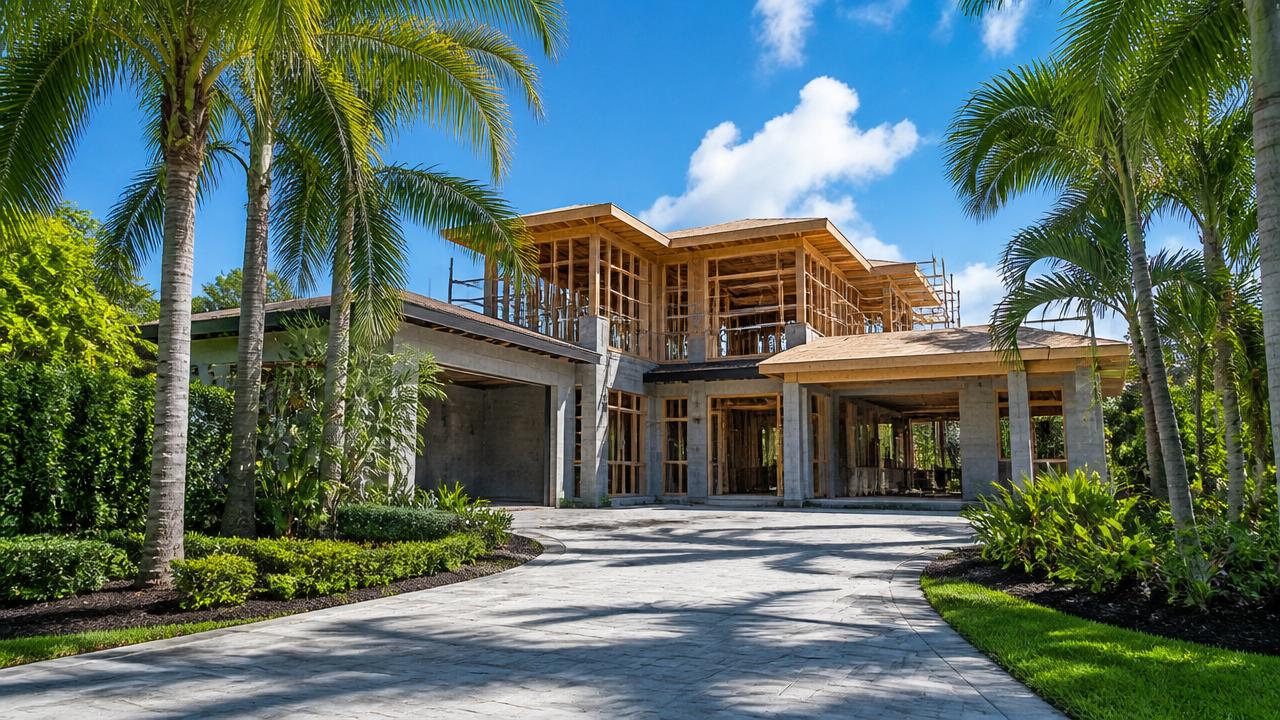
Florida New Construction
Why Florida's New Construction Market Offers Opportunities for Real Estate Investors in 2026
Population growth, job expansion, and tight inventory are fueling Florida's 2026 new construction boom. See market data, investor playbooks, and the private financing winning deals.
Florida Market
Florida Housing Market Growth in 2026: Key Insights for Investors
Florida's 2026 housing market is opening one of the best buying windows in years. See investor stats, city outlooks, county growth, and how private lending closes deals fast.
Florida Market
Miami-Dade Development Boom Creates New Opportunities for Florida Real Estate Investors in 2026
Miami-Dade's 2026 development boom is creating fresh opportunities for Florida Real Estate Investors. See how Florida Hard Money Lenders Residential financing, bridge, construction, land, and second mortgages, helps investors move first in Miami, Hialeah, Doral, Kendall, Coral Gables, and Homestead.
Florida Market
Osceola County Growth Update: Impact of 1,000 New Homes on Florida Real Estate Investors
Osceola County is set to add approximately 1,000 new homes, here's what the expansion could mean for Florida investors, builders, landowners, and developers watching Central Florida.

Florida Market
Will Florida End Property Taxes? What Real Estate Investors Need to Know
Florida is debating major property tax changes. Here's a factual, investor-focused breakdown of how the system works today, what reform could mean for cash flow and values, and what to do right now.