Florida Affordability
How Much Income Do You Really Need to Buy a Home in Florida in 2026? Complete Affordability Guide
Published By Luminary Private Lending
- Author:
- Ivan Padilla
- Reviewed By:
- Kevin Mazzola
- Published:
- June 24, 2026
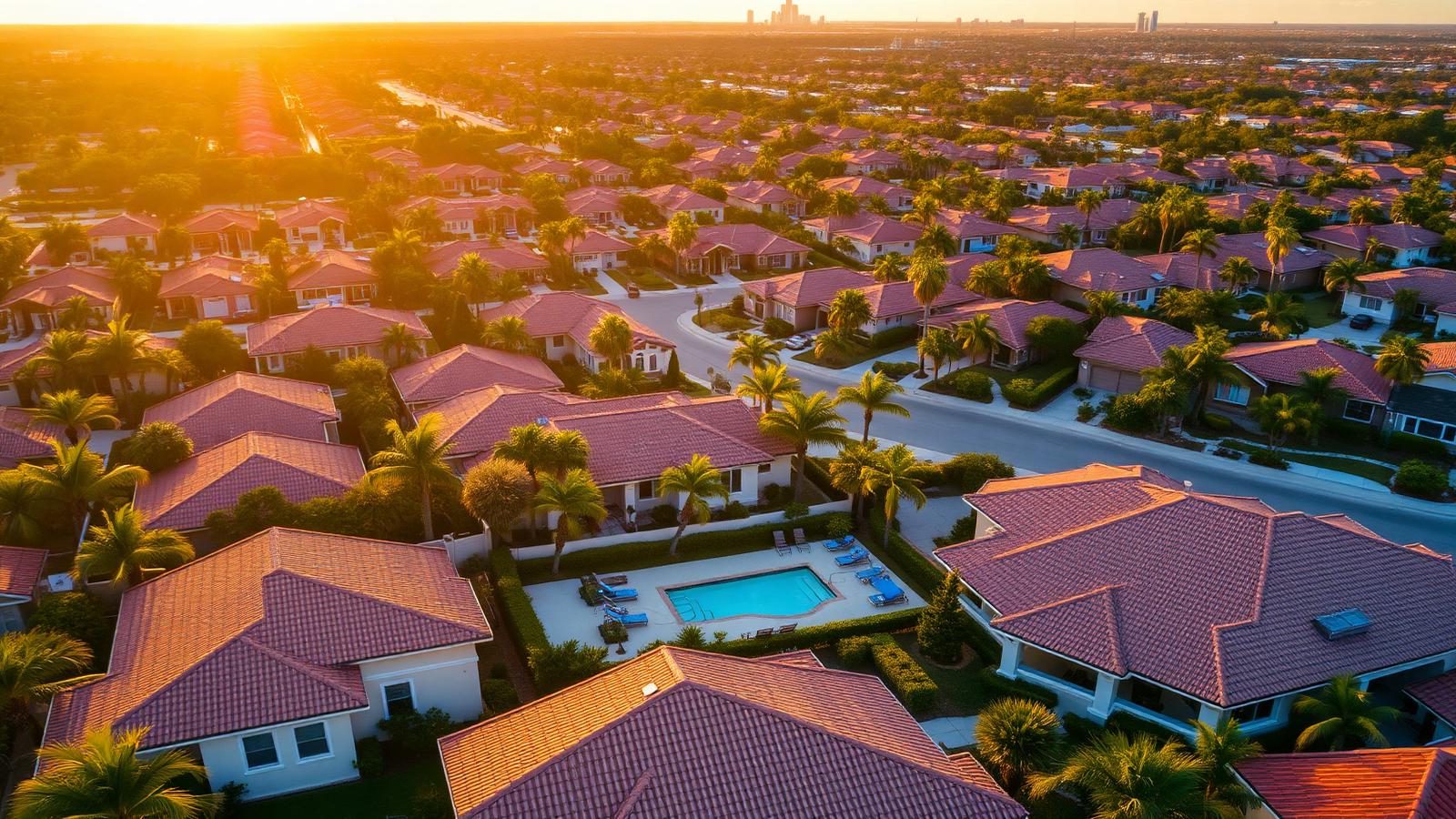
Most Florida buyers need $70K–$140K to buy a $300K–$500K home in 2026. See city-by-city income thresholds for Orlando, Tampa, Jacksonville, Miami, and Fort Lauderdale, plus financing options for investors and self-employed buyers.
Florida keeps attracting new residents nationwide. Warm weather, no state income tax, and strong job growth make it a great place to live and invest in real estate. The big question in 2026: how much income do you really need to buy a home in Florida?
Florida Housing Costs in 2026
According to recent housing market data, Florida's median single-family home price remains above $400,000 in most metropolitan areas. Combined with rising homeowners insurance premiums and elevated borrowing costs, affordability is a real concern for many buyers. The numbers below frame what it actually takes to qualify in today's market.
| Metric | Early 2026 |
|---|---|
| Median single-family home price | ~$420,000 |
| Average 30-year mortgage rate | ~6.5%–7.0% |
| Average annual homeowners insurance | ~$4,200 |
| Average effective property tax rate | ~0.91% |
| Annual population growth | +300,000+ residents |
Sources: Florida Realtors, U.S. Census Bureau, NAR.
Income Needed by Home Price
| Home Price | Est. Monthly Payment (PITI) | Estimated Income Needed |
|---|---|---|
| $300,000 | ~$2,100 | $70,000–$85,000 |
| $400,000 | ~$2,800 | $90,000–$110,000 |
| $500,000 | ~$3,500 | $110,000–$140,000 |
| $750,000 | ~$5,000+ | $160,000+ |
Estimates assume ~10% down, ~6.75% rate, Florida property taxes and insurance averages, and a 36%–43% debt-to-income ratio.
Factors That Impact Home Affordability
Lenders look at much more than the sale price. The biggest variables that change your required income:
- Mortgage payment, usually the largest line item.
- Interest rate, a 1% rate move can swing your required income by $10,000+.
- Property taxes, vary by county; always check the appraiser's estimate.
- Homeowners insurance, one of the fastest-growing Florida costs.
- HOA fees, common in Florida communities and counted in DTI.
- Existing debt, car loans, credit cards, student loans, and other mortgages.
How Much Income Do You Need by City?
How Much Income Do You Need in Orlando?
Orange County median home value sits near $395,000. Most Orlando buyers need a household income of $95,000–$115,000 to comfortably qualify, depending on insurance and HOA. Tech, healthcare, and tourism growth keep demand strong in Lake Nona, Horizon West, and Osceola County.
How Much Income Do You Need in Tampa?
Hillsborough County median home value is around $410,000. Expect to need $100,000–$120,000 per year. Wesley Chapel and Riverview offer better affordability, while South Tampa pushes income requirements higher.
How Much Income Do You Need in Jacksonville?
Jacksonville remains Florida's most affordable major metro, with a median price near $330,000. Many buyers qualify at $78,000–$95,000 in household income.
How Much Income Do You Need in Miami?
Miami-Dade County median home value exceeds $575,000. Buyers typically need $135,000–$165,000, with luxury submarkets like Brickell and Coral Gables requiring significantly more.
How Much Income Do You Need in Fort Lauderdale?
Broward County median home value sits near $520,000. Most buyers need $120,000–$150,000, often combined with a second mortgage to access equity for the down payment.
Why Affordability Has Become More Challenging
- Higher interest rates, borrowing costs are still well above 2021 lows.
- Rising insurance costs, coastal counties are seeing premiums climb fastest.
- Property tax reassessments, values rose, and bills followed.
- Strong inbound demand, retirees, professionals, and families keep prices supported.
Can First-Time Buyers Still Buy a Home in Florida?
Yes. Despite the headwinds, first-time buyers are still closing deals every day in Florida. The buyers who succeed typically:
- Improve their credit score above 720
- Pay down credit cards and auto loans before applying
- Save a larger down payment (10%–20%)
- Get insurance and tax quotes before making an offer
- Work with an experienced local lender and agent
What If Traditional Financing Doesn't Work?
Not every borrower fits bank guidelines. Self-employed buyers, real estate investors, business owners, and house flippers often need alternative paths. That's where private capital comes in.
Understanding Private Lending
Private lenders focus on the property's value and exit strategy more than W-2 income. Programs typically offer:
- Faster approvals (7–14 days)
- Asset-based underwriting
- Short-term bridge loan structures
- Investment property and non-owner-occupied financing
- Construction financing for ground-up projects
Private lending isn't a replacement for conventional owner-occupied mortgages, but it's a powerful tool for investors and complex income scenarios.
How Bridge Loans Help Florida Buyers
A Florida bridge loan provides temporary financing until long-term financing or a sale closes. Common uses:
- Buying a new home before selling the current one
- Securing time-sensitive investment opportunities
- Renovating a property before refinancing to permanent debt
- Bridging auction or distressed purchases
Equity Cash-Out Opportunities
Many Florida property owners have built substantial equity over the past five years. A second mortgage or cash-out program can unlock that equity for renovations, business investments, debt consolidation, or new purchases, without disturbing a low-rate first lien.
Construction and Vacant Land Financing
Florida continues to grow across both residential and commercial development. Construction financing funds ground-up homes, spec builds, and small investment developments, while vacant land loans let investors secure parcels for future projects.
Tips for Improving Home Affordability
- Raise your credit score, better terms = lower income needed.
- Reduce existing debt, improves your DTI ratio.
- Increase your down payment, lowers PITI and avoids PMI.
- Shop multiple lenders, pricing varies by program.
- Budget for the full cost of ownership, taxes, insurance, HOA, maintenance.
Florida Real Estate Remains Full of Opportunity
Despite affordability challenges, Florida is one of the strongest real estate markets in the country. Population growth, business expansion, and economic diversification continue to support long-term demand. Buyers who understand today's numbers, and pair the right financing with the right property, can still build wealth in 2026.
Financing Options for Florida Buyers and Investors
- Bridge Loans, fast, asset-based acquisition financing.
- Construction Loans, ground-up residential and small development.
- Vacant Land Loans, purchase and cash-out for land.
- Equity Cash-Out / Second Mortgages, access equity without touching your first lien.
Disclaimer: This article is informational and does not constitute financial, legal, investment, or tax advice. Income estimates are illustrative and vary by lender, program, credit profile, and property. All loans are subject to underwriting, property review, and appraisal.
Related Florida Lending Resources
Keep Reading
Latest Insights
Keep exploring Florida private lending insights.
Bridge Loans
Commercial Bridge Loans in Florida: A Complete Guide to $5M to $20M Financing
The pillar guide to commercial bridge loans in Florida: what they are, who they fit, how LTV sizes a $5M to $20M request, what documents lenders need, how appraisals and exit strategies drive approval, and when bridge financing is the wrong tool.
Investor Education
What Is a Balloon Payment? A Complete Guide for Real Estate Investors in Florida
A balloon payment is a large final payment due at the end of a short term loan. Here is how balloon loans work, which programs use them, real Florida examples, the risks, and how investors plan an exit strategy before borrowing.

Construction Loans
What Is a Construction Loan in Florida? The Complete Investor Guide (2026)
A complete 2026 guide to construction loans in Florida, how draw schedules work, who qualifies, private vs. bank financing, LTC and LTV, Florida-specific building challenges, real examples, and the mistakes investors should avoid.

Bridge Loans
What Is a Bridge Loan in Florida? Complete 2026 Investor Guide
A complete 2026 guide to bridge loans in Florida, how they work, LTV, ARV, exit strategies, costs, timelines, three real case studies, common mistakes, and when a bridge loan is (and isn't) the right tool.

Investor Education
What Does 125% Lender’s Title Insurance Mean? Florida Private Lending Guide
A 125% lender’s title insurance requirement means the policy amount equals 125% of the loan principal. It does not mean the borrower receives 25% more money or pays a 25% fee. On a $1,950,000 loan, 125% coverage equals $2,437,500; actual protection depends on the policy terms.

Construction Financing
What Happens When a Construction Loan Expires Before the Project Is Finished? | Florida Guide
An unfinished construction project does not automatically extend a maturing loan. This Florida guide explains extensions, modifications, refinancing, unused draws, updated appraisals, cost overruns and the documents lenders may review.

Investor Education
Can an LLC Get a Real Estate Loan Without Personal Credit? A Florida Private Lending Guide
An LLC real estate loan without personal credit as the deciding factor is possible with asset-based private lenders. This Florida guide covers what lenders review instead, LTV math with worked scenarios, new-LLC and free-and-clear situations, the difference between a credit pull and a personal guarantee, and a borrower document checklist.
Investor Education
What Is an Interest Reserve in a Construction Loan? A Complete Guide for Builders and Contractors
An interest reserve covers construction loan interest from loan proceeds while the property produces no income. Here is how lenders size it, how it interacts with the draw schedule, and what happens when a build runs long.
Investor Education
What Is Cross Collateralization in Private Lending? A Complete Guide for Real Estate Investors
Cross collateralization lets investors combine equity from several properties to secure one loan. Here is how the collateral package works, who it fits, the risks, lender requirements, and a Florida example that closed in ten days.
Second Mortgages
When Should You Take a Second Mortgage? Florida Investor Guide (2026)
A 2026 guide for Florida real estate investors on business-purpose second mortgages, when they make sense, when to avoid them, comparisons to bridge loans and cash-out refinancing, real Florida examples, and a full FAQ.

Vacant Land Financing
Vacant Land Financing in Florida (2026 Investor Guide)
A complete 2026 guide to vacant land financing in Florida, how it works, qualifying land types, exit strategies, comparison to construction and bridge loans, real investment examples, common mistakes, and a full investor checklist.
Construction Financing
Soft Cost Financing in Florida: Funding Your Project Before Construction
Soft cost financing helps Florida borrowers pay eligible predevelopment expenses such as architectural drawings, engineering, surveys, site investigations and permit fees before construction begins. Eligibility depends on the property, the borrower and the project review.