Florida Housing Market
Florida Housing Market Update 2026: What Rising Northeast Florida Home Prices Mean for Real Estate Investors
Published By Luminary Private Lending
- Author:
- Ivan Padilla
- Reviewed By:
- Kevin Mazzola
- Published:
- July 6, 2026
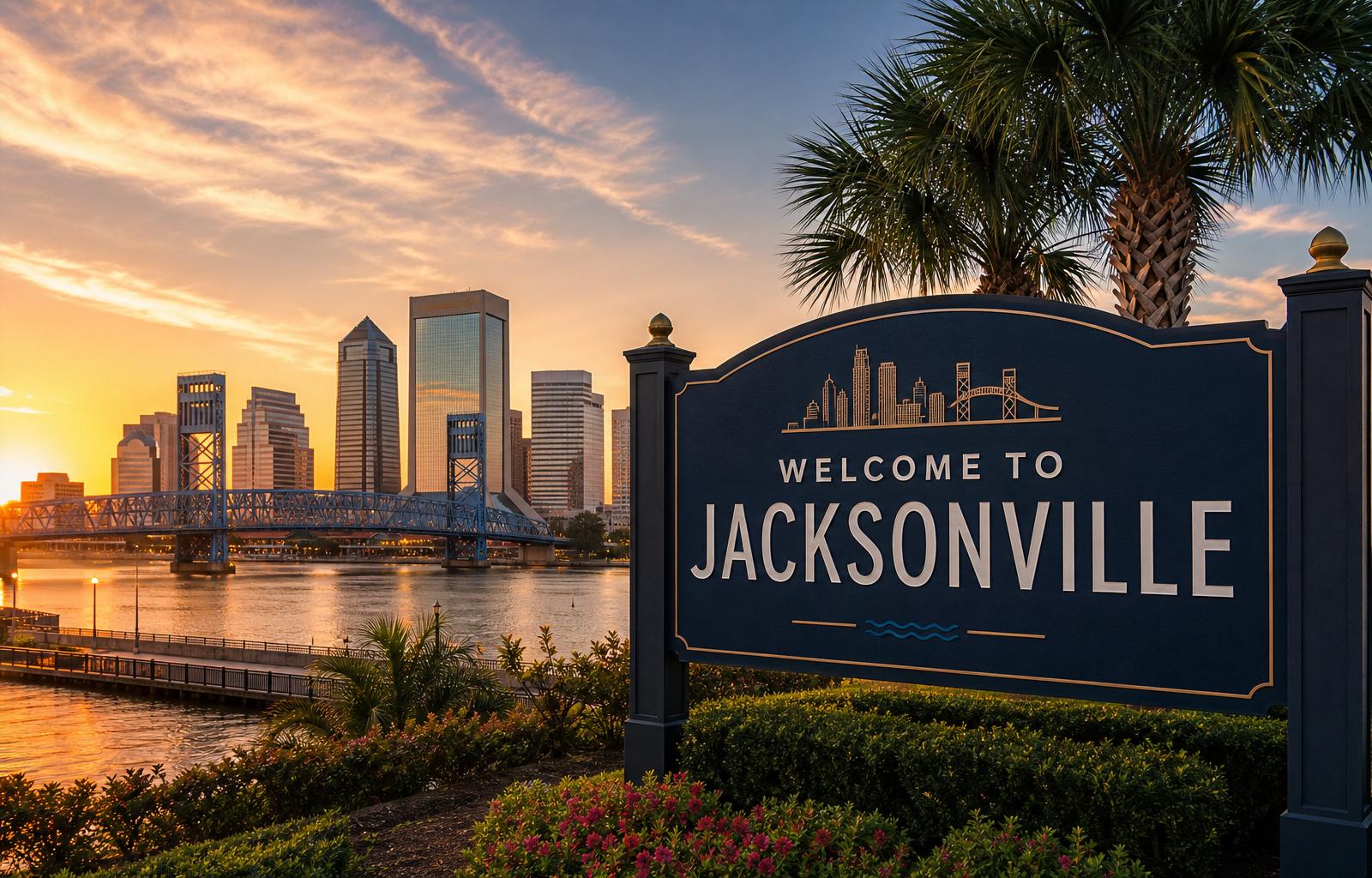
Northeast Florida home prices climbed ~5.1% while inventory improved and homes sold faster. See what this means for investors using bridge loans, construction financing, and value-add strategies across Jacksonville, St. Augustine, and surrounding counties.
Quick Answer: Rising Northeast Florida home prices in 2026 signal that buyer demand continues to outpace improving inventory. For investors using bridge loans, construction financing, or value-add strategies, this points to a market where acting quickly, with financing pre-arranged, is often the difference between winning and losing a deal.
Home prices across Northeast Florida climbed again in the latest reporting month. The Northeast Florida Association of Realtors (NEFAR) reports the median sale price rose roughly 5.1% month-over-month to about $410,000, while inventory improved and homes sold faster than the prior month. For real estate investors, the takeaway is straightforward: demand is holding, supply is loosening, and the window to acquire before the next leg of appreciation is open, but narrowing.
Who Should Read This
- ✔ Real estate investors buying rentals in Jacksonville, St. Augustine, Clay, Nassau, and St. Johns counties
- ✔ Fix-and-flip investors targeting value-add properties
- ✔ Builders and developers evaluating new construction opportunities
- ✔ Land buyers positioning for future residential growth
- ✔ Realtors advising investor clients on financing options
- ✔ Out-of-state borrowers relocating capital to Florida
Key Takeaways
- ✅ Median home price rose ~5.1% to approximately $410,000 in Northeast Florida
- ✅ Inventory improved but remains below historical balance
- ✅ Days on market shortened compared to the prior month
- ✅ Population and job growth continue supporting demand across Duval, Clay, Nassau, St. Johns, Baker, and Putnam counties
- ✅ Bridge and construction financing remain the fastest paths to close on competitive Florida deals
Northeast Florida Market Snapshot
| Metric | April 2026 | May 2026 | Change |
|---|---|---|---|
| Median Sale Price | ~$390,000 | ~$410,000 | +5.1% |
| Active Inventory | Lower | Higher | ↑ |
| Closed Sales | Lower | Higher | ↑ |
| Median Days on Market | ~35 | ~31 | ↓ |
| Months of Supply | ~3.8 | ~4.1 | ↑ (still below 6.0 balanced) |
Sources: Northeast Florida Association of Realtors, Florida Realtors monthly market data.
Why Northeast Florida Home Prices Are Still Rising
Even after multiple Fed rate cycles and headlines predicting a Florida correction, Northeast Florida keeps posting price gains. A 5.1% monthly increase in the median sale price is not noise, it signals that buyer demand continues to outpace available inventory. For investors using bridge financing, that means acquiring properties before further appreciation compresses potential equity gains.
1. Population Growth Keeps Adding Demand
According to the U.S. Census Bureau, Florida remains one of the fastest-growing states in the country. Every new household increases housing demand, for-sale and rental alike. Jacksonville's metro population continues to expand thanks to no state income tax, business-friendly policy, and a lower cost of living than South Florida.
2. Inventory Is Improving. But Not Oversupplied
More listings hit the market compared to last year, but active inventory sits below the ~6 months of supply that historically defines a balanced market. That's the sweet spot investors look for: enough choice to negotiate, not enough supply to force sellers into steep price cuts.
3. New Construction Isn't Keeping Up
Higher construction costs, insurance premiums, labor shortages, and long permitting timelines continue slowing new supply. According to the NAHB, Florida builders are producing homes, but not at the pace demand requires, which protects existing values across most Northeast Florida communities.
What Our Lending Team Is Seeing
At Luminary Private Lending, we've seen a noticeable increase in bridge financing requests for value-add properties across Jacksonville, St. Augustine, Orange Park, and Clay County. Investors are moving faster on off-market deals, and construction loan inquiries for infill single-family projects in St. Johns and Nassau counties have picked up meaningfully quarter-over-quarter. When inventory tightens and prices climb, the borrowers who close first are the ones with financing pre-arranged, not the ones scrambling for approval after they find a property.
Ivan Padilla, Luminary Private Lending
Is Now a Good Time? Investor Opportunity Matrix
| Investor Type | 2026 Opportunity | Suggested Financing |
|---|---|---|
| Fix & Flip | High | Bridge Loans |
| Buy & Hold Rental | High | Bridge → DSCR refinance |
| BRRRR | Medium–High | Bridge + Second Mortgage |
| Ground-Up Construction | High | Construction Loans |
| Land Banking | High | Vacant Land Financing |
What This Means for Real Estate Investors
Opportunity 1: Fix-and-Flip
Stable appreciation improves resale outcomes. Investors buying properties needing rehab can capture both the value-add spread and market appreciation during the hold period. Fast bridge financing lets you compete against cash buyers on distressed listings.
Opportunity 2: Rental Property Investments
Population growth drives sustained rental demand. Many new Florida residents rent 6–24 months before buying, exactly the length of a stabilized rental hold. High occupancy plus appreciation compounds returns.
Opportunity 3: Ground-Up Construction
Inventory is tight, permitting is slow, and buyers are still absorbing new product. Construction financing lets builders and investors deliver the homes today's buyers actually want, infill single-family, small-lot townhomes, and 2–4 unit product.
Opportunity 4: Land Acquisition
Developable land near growth corridors continues to appreciate. Vacant land financing lets investors control parcels early, before nearby development pushes basis higher.
Financing Example: Northeast Florida Fix-and-Flip
- Purchase price: $320,000
- Renovation budget: $55,000
- All-in cost: ~$375,000
- After-repair value (ARV): $455,000
- Potential gross equity: ~$80,000+ before selling and financing costs
Illustrative only. Actual returns depend on scope, timeline, market conditions, and financing structure.
Hyperlocal County Breakdown
Northeast Florida's counties each tell a different investor story. Here's how we're framing the top six for our lending clients heading into the second half of 2026.
Duval County (Jacksonville)
The region's economic engine, anchored by JAXPORT, healthcare, financial services, and Naval Station Mayport. Strong rental demand, active urban-core redevelopment (Downtown, Riverside, San Marco), and continued value-add flip inventory in Arlington and the Northside. Investors like Duval for scale and liquidity.
Why This Matters: Jacksonville's diversified employment base cushions rental demand even in slower cycles, making Duval one of Florida's more resilient markets for long-term buy-and-hold strategies.
St. Johns County (St. Augustine, Nocatee)
Consistently one of the fastest-growing counties in the country per U.S. Census data, with top-ranked public schools, luxury coastal inventory, and rapid master-planned community expansion (Nocatee, Silverleaf, World Golf Village). Higher basis, but strong resale absorption on new construction.
Luminary Insight: We're seeing investors shift toward infill single-family and small-lot townhome projects in St. Johns County due to limited developable inventory and continued population growth. construction financing demand here has grown noticeably quarter over quarter.
Clay County (Orange Park, Fleming Island, Middleburg)
Affordability meets suburban expansion. Lower entry basis than Duval or St. Johns, strong school district appeal, and expanding retail/employment nodes along Blanding Boulevard and CR 220. A go-to county for BRRRR and buy-and-hold investors seeking cash-flow-friendly rentals.
Nassau County (Fernandina Beach, Yulee, Amelia Island)
Industrial and logistics growth along I-95 and Kings Bay, combined with coastal luxury demand on Amelia Island. New residential development in Yulee continues to accelerate as workforce demand rises. Well-suited to vacant land and ground-up strategies.
Baker County (Macclenny)
An overlooked long-hold play as the Jacksonville MSA expands westward along I-10. Lower land basis and gradual infrastructure investment make it a patient investor's market.
Putnam County (Palatka)
Lower price points with attractive gross yields for rental strategies. Investors watching this county tend to focus on stabilization, not appreciation.
Northeast Florida Markets to Watch (Snapshot)
- Duval County: Jacksonville, Atlantic Beach, Neptune Beach, Jacksonville Beach
- St. Johns County: St. Augustine, Nocatee, World Golf Village, Silverleaf
- Clay County: Orange Park, Middleburg, Fleming Island, Green Cove Springs
- Nassau County: Fernandina Beach, Yulee, Amelia Island
- Baker County: Macclenny
- Putnam County: Palatka
How Northeast Florida Compares to Other Florida Markets
Investor capital is actively rotating across Florida. A quick comparison:
- Central Florida (Orlando): Strong tourism and tech job growth continues driving demand.
- Tampa Bay: Diversified economy and port activity supporting values.
- Miami / South Florida: Higher entry price, tighter yields, but strong international demand.
- Southwest Florida (Naples, Fort Myers): Continued rebuild activity following prior storm cycles.
- Northeast Florida (Jacksonville): Lower entry basis, strong rental demand, expanding logistics and healthcare employment.
For investors seeking cash-flow-friendly basis with continued appreciation potential, Northeast Florida remains one of the more compelling risk-adjusted markets in the state.
Why This Matters: Because capital flows to yield, price gaps between Florida metros create opportunity. Northeast Florida's lower basis relative to South Florida means the same equity dollar controls more property, and more potential upside, when demand holds.
Traditional Bank vs. Luminary Private Lending
| Traditional Bank | Luminary Private Lending | |
|---|---|---|
| Typical Close Time | 30–60+ days | 7–14 days |
| Documentation | Heavy, full tax returns, W-2s, DTI | Streamlined, asset & project focused |
| Property Condition | Move-in-ready preferred | Distressed & value-add accepted |
| Borrowing Entity | Often individual only | LLCs and entities welcome |
| Loan Purpose | Primarily owner-occupied | Business-purpose / investor-focused |
| Flexibility | Rigid programs | Structure tailored to the deal |
Luminary Lending Process Timeline
① Find Property  →  ② Submit Application  →  ③ Underwriting & Valuation
      ↓                                                    ↓
⑥ Refinance / Sell  ←  ⑤ Renovate / Build  ←  ④ Close & Fund (7–14 days)
A typical investor path from acquisition to exit. Timelines vary by asset, documentation readiness, and program.
Investor Risks to Consider
Rising prices aren't the whole story. Sophisticated investors underwrite the risks alongside the opportunity.
- Insurance costs: Florida premiums have risen materially over the past several years, especially in coastal ZIP codes. Model true operating costs, not last year's quotes.
- Property taxes: Non-homestead investment property is capped at 10% assessed-value growth per year, not the 3% Save Our Homes cap. Rising values mean rising bills.
- Construction delays: Labor and materials cycles can push draw schedules and extend interest-carry costs.
- Labor shortages: Skilled trades in Florida remain tight; build contingency into scope and timeline.
- Interest rate changes: Rate volatility affects both borrowing costs and exit refinance economics.
- Holding costs: Every extra month of debt service, insurance, and taxes compresses net profit, plan the exit before you close.
Luminary Insight: The investors who consistently perform in Florida are the ones who stress-test their deals, modeling insurance, taxes, and a longer-than-expected exit, before signing a purchase contract, not after.
Why Financing Speed Matters More Than Ever
Sellers in competitive markets consistently prefer buyers who can close quickly. Traditional financing often requires 30–60+ days, extensive documentation, and multiple underwriting reviews. Private lending. bridge loans, construction financing, second mortgages, and vacant land financing, is built for speed and business-purpose flexibility. When the right property appears, having financing already lined up is the competitive advantage.
What Could Happen in the Rest of 2026?
According to the Federal Reserve and National Association of Realtors, several variables will shape the second half of the year:
- Mortgage interest rate direction
- Continued in-migration to Florida (U.S. Census)
- Housing inventory trajectory (NEFAR)
- Insurance premium changes
- New residential building permits (Census BPS)
- Employment growth across Jacksonville MSA (BLS)
- Rental vacancy rates and mortgage application volume (MBA)
- Local zoning and infrastructure investment
If inventory keeps rising while demand holds, Florida could see its most balanced housing market in years, often the exact conditions under which experienced investors deploy capital most aggressively.
Five Indicators to Watch in the Second Half of 2026
- Inventory levels, is months-of-supply drifting toward 6?
- Days on market, accelerating or decelerating?
- Insurance costs, carrier availability by county and premium trend
- Interest rates, direction of the 10-year Treasury and mortgage spread
- Building permits, leading indicator of future supply pressure
Investor Action Plan for Northeast Florida in 2026
- Study local inventory and days-on-market trends monthly (NEFAR, Florida Realtors).
- Get financing pre-arranged before submitting offers.
- Identify 3–5 target neighborhoods with value-add inventory.
- Monitor infrastructure and employer announcements (JAXPORT, Mayo Clinic, Amazon, etc.).
- Move quickly when the right property becomes available, often within 24–72 hours of listing.
Frequently Asked Questions
Are home prices still increasing in Northeast Florida?
Yes. NEFAR reported the median sale price rose approximately 5.1% month-over-month in May 2026, with inventory also improving, a sign that buyer demand remains strong.
Is Jacksonville still undervalued compared to other Florida metros?
On a price-per-square-foot basis, Jacksonville remains more affordable than Miami, Tampa, and much of Orlando, while offering strong job growth and rental demand.
Will home prices continue rising through 2026?
No one can guarantee direction, but continued population growth, limited new construction, and improving-but-tight inventory support the case for continued appreciation.
Is inventory improving in Northeast Florida?
Yes, months of supply is trending up, but still sits below the ~6 months that historically defines a balanced market.
Is now a buyer's market?
The market is shifting toward balance. Buyers have more negotiating power than in 2022–2024, but sellers still hold an edge in well-priced, move-in-ready inventory.
Are bridge loans good for fix-and-flips?
Yes. Bridge loans are one of the most common tools for fix-and-flip investors, fast to close, business-purpose, and typically sized against as-is or after-repair value.
Should builders buy land in Northeast Florida now?
Many builders and developers are actively acquiring infill and small-subdivision land, especially in St. Johns, Clay, and Nassau counties, where demand outpaces new supply.
Which Northeast Florida counties are growing fastest?
St. Johns and Nassau counties consistently rank among Florida's fastest-growing counties, with Clay and Duval close behind.
How much down payment do investors need?
For business-purpose bridge and construction loans, investor equity varies by program and asset. Loans are typically sized against as-is or as-completed value rather than a fixed down-payment percentage.
Are insurance costs affecting property values?
Insurance costs have risen across Florida and factor into investor underwriting, especially in coastal zones. Inland Northeast Florida counties often carry lower premiums than South Florida.
How do interest rates affect investors?
Higher rates raise borrowing costs but often reduce buyer competition. Many investors use short-term private financing at acquisition and refinance to permanent debt once rates and the asset stabilize.
How quickly can private lending close?
Well-prepared borrowers can often close bridge financing in 7–14 days when title, insurance, and valuation are ready.
What LTV do bridge loans typically offer?
Bridge loans are typically sized against as-is or after-repair value (ARV). Actual LTV varies by asset, sponsor, and program. Luminary structures each loan to the project rather than applying a one-size percentage.
Can I finance multiple properties at once?
Yes. Experienced investors regularly finance multiple properties in parallel or through a portfolio structure. Reach out to our team to discuss cross-collateral or portfolio options.
Can LLCs and other entities borrow?
Yes. Most business-purpose lending is originated to an LLC, LP, or corporate entity holding the investment property.
How long do bridge loans last?
Most bridge loans are 6–24 months, with extension options depending on the program and project.
Can foreign nationals qualify?
Program eligibility varies. Foreign national and non-US-resident borrowers can sometimes qualify with additional documentation and structure. Contact us to discuss your specific situation.
Can I close remotely?
Yes, most Florida closings can be completed remotely with e-signature, mobile notary, or attorney coordination.
Can I finance distressed properties?
Yes. Distressed and value-add properties are core use cases for bridge financing, private lenders underwrite the asset and business plan, not just the current condition.
What documents are typically required?
Common items include an application, entity documents (if borrowing through an LLC), purchase contract, scope of work (for rehab), insurance quote, title commitment, and basic sponsor background. Requirements vary by program.
Ready to Finance Your Next Northeast Florida Investment?
Planning your next investment in Northeast Florida? Whether you're acquiring a rental property in Jacksonville, financing new construction in St. Augustine, purchasing land in Nassau County, or using a bridge loan to close quickly on a value-add deal in Clay County, our team can help you structure financing that matches your investment strategy.
- Bridge Loans, fast-close acquisitions and value-add
- Construction Loans, ground-up single-family and small multi
- Vacant Land Financing, infill lots and future development
- Second Mortgage Loans, equity access without refinancing the first
Apply now, contact Luminary Private Lending to discuss your next opportunity, or explore our Florida lending locations and latest market updates.
About the Author & Reviewer
Ivan Padilla is the Director of Growth and Real Estate Lending Specialist at Luminary Private Lending and works daily with Florida investors, builders, and developers structuring bridge, construction, and land financing. His focus is Florida business-purpose real estate finance across Jacksonville, Orlando, Tampa, and South Florida markets.
Reviewed by Kevin Mazzola, whose lending experience spans business-purpose real estate financing across Florida markets, including bridge, construction, and second-lien structures for investors and builders.
Luminary Private Lending specializes exclusively in Florida business-purpose real estate financing. Learn more about our team or view our full loan programs.
Disclosures
Business-purpose lending: Luminary originates business-purpose loans for investors and builders in Florida. We do not originate consumer mortgages.
⌂ Equal Housing Opportunity. See our Fair Lending Statement.
Educational only: This content is not financial, legal, tax, or investment advice. Programs and terms subject to change.
Related Florida Lending Resources
Keep Reading
Latest Insights
Keep exploring Florida private lending insights.
Florida Housing Market
Florida Housing Market 2026: Is Now a Better Time for Real Estate Investors?
Florida's housing market is rebalancing in 2026, more inventory, longer days on market, and real negotiating room. See what it means for investors, builders, and the bridge and construction financing that wins deals.
Florida Housing Market
Is Florida Building Enough Homes? What Every Investor Needs to Know in 2026
Florida's home construction has slowed in Orlando and other markets while demand keeps climbing. See the latest data, investor playbooks, and the bridge and construction financing winning deals in 2026.
Florida Real Estate Market
Southwest Florida Foreclosures Are Rising in 2026: What It Means for Florida Real Estate Investors
Cape Coral and Fort Myers are leading Florida in foreclosure filings. It's not another 2008, it's a market reset. Here's what Florida real estate investors need to know, and how to move fast.
Florida Real Estate Market
Florida Housing Construction Trends 2026: What Fewer Building Permits Mean for Real Estate Investors
Florida building permits have slowed in 2026. Here's what fewer new construction starts mean for investors, plus the loan programs that help you move faster than traditional banks.
Florida Real Estate Market
Fastest-Growing Home Prices Around Orlando in 2026: What Florida Investors Need to Know
Where Orlando-area home prices are rising fastest in 2026, which suburbs to watch, and how bridge, construction, second-mortgage, and vacant-land financing help investors act.
Florida Market
Osceola County Growth Update: Impact of 1,000 New Homes on Florida Real Estate Investors
Osceola County is set to add approximately 1,000 new homes, here's what the expansion could mean for Florida investors, builders, landowners, and developers watching Central Florida.
Commercial Real Estate
Florida Commercial Real Estate Market 2026: Why Investors Prefer Private Lending
Higher rates, tighter bank underwriting, and rising insurance costs are reshaping Florida's commercial real estate market in 2026. See the sectors, regions, and private lending strategies investors are using now.
Florida New Construction
Why Florida's New Construction Market Offers Opportunities for Real Estate Investors in 2026
Population growth, job expansion, and tight inventory are fueling Florida's 2026 new construction boom. See market data, investor playbooks, and the private financing winning deals.
Florida Market
Florida Housing Market Growth in 2026: Key Insights for Investors
Florida's 2026 housing market is opening one of the best buying windows in years. See investor stats, city outlooks, county growth, and how private lending closes deals fast.
Florida Market
Miami-Dade Development Boom Creates New Opportunities for Florida Real Estate Investors in 2026
Miami-Dade's 2026 development boom is creating fresh opportunities for Florida Real Estate Investors. See how Florida Hard Money Lenders Residential financing, bridge, construction, land, and second mortgages, helps investors move first in Miami, Hialeah, Doral, Kendall, Coral Gables, and Homestead.

Florida Market
Will Florida End Property Taxes? What Real Estate Investors Need to Know
Florida is debating major property tax changes. Here's a factual, investor-focused breakdown of how the system works today, what reform could mean for cash flow and values, and what to do right now.
Investor Education
What Is a Balloon Payment? A Complete Guide for Real Estate Investors in Florida
A balloon payment is a large final payment due at the end of a short term loan. Here is how balloon loans work, which programs use them, real Florida examples, the risks, and how investors plan an exit strategy before borrowing.