Construction Loans
What Is a Construction Loan in Florida? The Complete Investor Guide (2026)
Published By Luminary Private Lending
- Author:
- Ivan Padilla
- Reviewed By:
- Kevin Mazzola
- Published:
- July 8, 2026
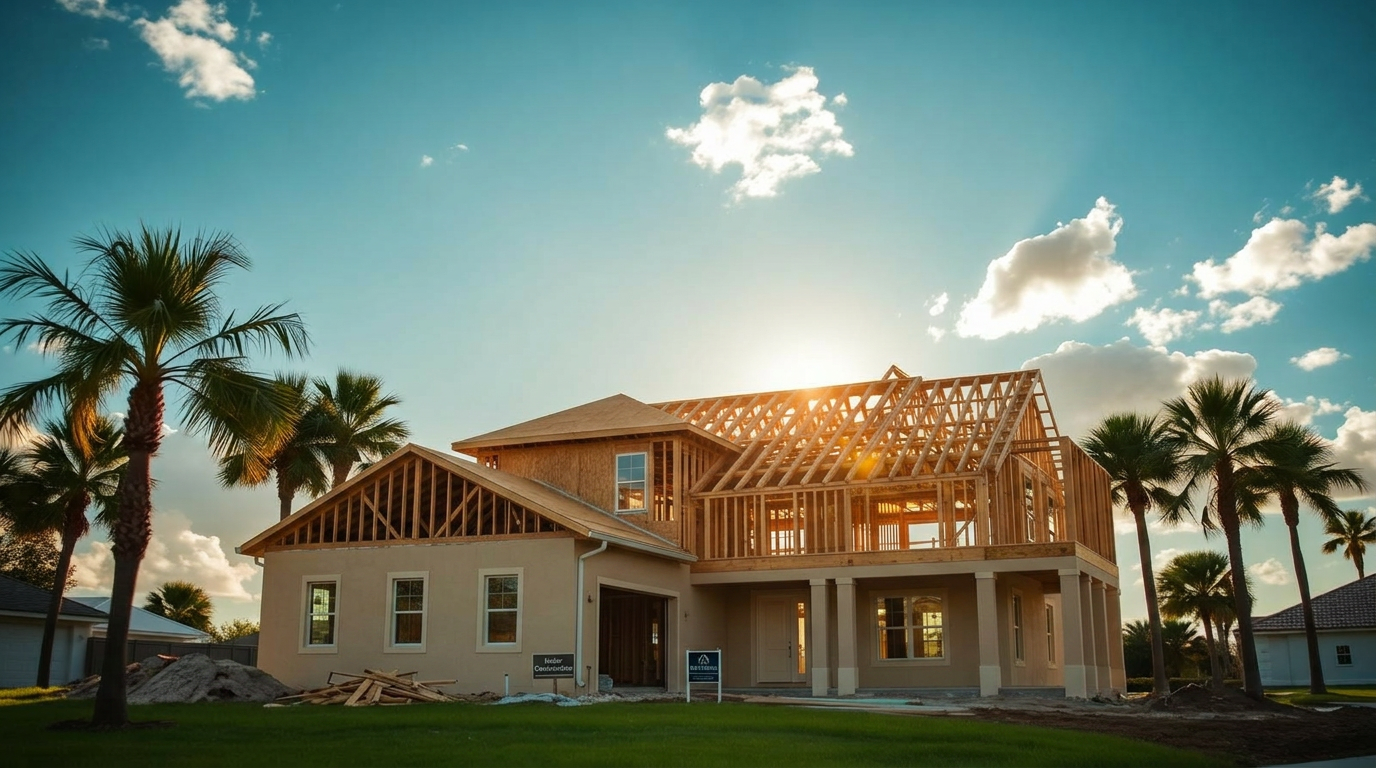
A complete 2026 guide to construction loans in Florida, how draw schedules work, who qualifies, private vs. bank financing, LTC and LTV, Florida-specific building challenges, real examples, and the mistakes investors should avoid.
Florida continues to attract new residents, businesses, and real estate investors every year. As the state's population grows, the need for new homes and buildings rises, and in many Florida markets the current inventory can't keep pace. That gap creates opportunities for investors and developers who want to build from scratch.
Whether you're building a single-family home, developing spec homes, constructing a commercial office, or financing a warehouse, you need funding fast. Traditional banks often have lengthy underwriting processes and strict lending rules that don't match the timelines today's investors work with. Delays in financing can hold up permits, contractors, and construction schedules, sometimes for weeks or months.
That's where a construction loan can make a difference. A construction loan is a short-term funding option for building new properties. Borrowers get funds in stages as construction moves forward, which helps control risk and ensures money is available for each phase.
Private construction lenders look at the project's strength, available equity, and the borrower's exit plan, not just traditional income checks. Experienced investors, builders, and developers often get quicker approvals and more flexible terms.
Table of Contents
- What Is a Construction Loan?
- Why Construction Financing Matters in Florida
- How Construction Loans Work: Step by Step
- What You Can Use Construction Loans For
- Private Construction Loans vs. Traditional Banks
- How Construction Loan Draw Schedules Work
- Who Qualifies for a Construction Loan in Florida
- Construction Loan vs. Bridge Loan
- Florida-Specific Building Challenges
- Construction Loan Glossary
- Common Mistakes to Avoid
- Frequently Asked Questions
Construction Loan at a Glance
- Purpose: Finance ground-up construction
- Typical Term: Short-term (usually 12–24 months)
- Funding: Released through a draw schedule
- Best For: Real estate investors, builders, and developers
- Common Exit: Sale of the completed property or refinance into long-term debt
- Property Types: Residential and commercial investment properties
What Is a Construction Loan?
A construction loan is a short-term real estate loan that helps finance the building of new homes or commercial properties. Unlike a traditional mortgage that funds the full amount at closing, a construction loan releases money in stages, called draws, as work progresses.
Each draw is generally tied to a specific milestone. Before extra funds are released, inspections or documentation usually verify the completed work.
Construction loans are commonly used to finance:
- New residential homes and spec homes
- Investment properties, duplexes, and triplexes
- Multifamily developments
- Commercial buildings, retail centers, warehouses, and office buildings
- Mixed-use developments
These loans finance the full building process, from acquiring eligible land (when needed) through the final inspection and Certificate of Occupancy, and are typically repaid via an exit strategy: selling the completed property or refinancing into long-term financing.
Why Construction Financing Matters in Florida
Florida remains one of the fastest-growing real estate markets in the country. Population growth, business expansion, and low housing supply have created ongoing opportunities across markets like Orlando, Tampa, Jacksonville, Miami, Fort Lauderdale, Sarasota, Naples, Ocala, Kissimmee, and St. Petersburg.
Building from the ground up allows investors to:
- Design properties that meet current market demand
- Avoid bidding wars on existing inventory
- Create modern homes with lower early maintenance costs
- Build rental portfolios with newer assets
- Increase potential equity through new construction
For commercial investors, construction financing supports medical offices, retail centers, warehouses, and mixed-use developments in growing corridors across the state.
Why This Matters: A well-structured construction loan keeps projects on track by providing capital as each construction stage wraps up. Funding delays can disrupt contractor schedules, increase carrying costs, and extend project timelines.
How Construction Loans Work: Step by Step
Step 1: Buy the land or use land you already own
Every construction project starts with the land. Some borrowers own their lot outright; others buy the land with their construction loan. Owning the land outright can boost a loan application by adding extra equity to the project.
Step 2: Complete your construction plans
Before funding, you'll generally need architectural plans, building specifications, a construction budget, contractor information, an estimated timeline, and building permits (or evidence they're in progress).
Step 3: Loan approval and closing
Once underwriting is complete, the construction loan closes. Unlike a conventional mortgage, the entire loan amount is not distributed immediately, funds are reserved and released in stages throughout construction.
Step 4: Construction begins
After closing, work starts according to the approved plans. Common early activities include site preparation, clearing and grading, utility installation, and foundation work.
Step 5: Funds are released through draws
A typical draw schedule looks like this:
Phase                                    Draw
Site preparation & foundation .......... Draw 1
Framing ................................ Draw 2
Roofing & exterior ..................... Draw 3
Plumbing, electrical & HVAC ............ Draw 4
Drywall & interior finishes ............ Draw 5
Cabinets, flooring & final details ..... Draw 6
Final inspection & Certificate of Occupancy  Final Draw
Step 6: Construction is completed
After construction ends, final building inspections and the Certificate of Occupancy (CO) confirm the property is ready to sell, occupy, lease, or refinance.
Step 7: Exit the construction loan
Common exit strategies include selling the completed property, refinancing into a long-term mortgage, holding as a rental with permanent financing, or rolling into portfolio financing for future projects.
Typical Timeline: From Land to Completion
- Loan application & underwriting: 1–3 weeks
- Loan closing: Several days after approval
- Site preparation: 1–3 weeks
- Foundation: 2–4 weeks
- Framing: 4–8 weeks
- Mechanical systems: 3–6 weeks
- Interior finishes: 4–8 weeks
- Final inspections & CO: 1–3 weeks
Residential projects often take 6 to 12 months. Larger commercial developments usually need more time.
What You Can Use Construction Loans For
One of the biggest advantages of a construction loan is its flexibility. Construction financing isn't limited to new homes.
Residential construction projects
- Single-family investment homes and spec homes
- Custom homes built for resale
- Luxury residential properties
- Duplexes, triplexes, and four-unit residential properties (when eligible)
- Build-to-rent homes
Commercial construction projects
- Office and medical buildings
- Retail centers and professional buildings
- Warehouses and flex industrial space
- Self-storage facilities
- Mixed-use developments
Investment and spec homes
Many borrowers use construction loans to build investment properties rather than primary homes, long-term rentals, short-term vacation rentals (subject to local rules), build-to-rent communities, and small residential developments. Spec homes, built without a buyer under contract, are especially popular in high-demand Florida neighborhoods where a completed new build sells at a premium.
Ground-up development
Ground-up construction begins with a blank site: preparation, utility installation, foundation, vertical construction, interior completion, landscaping, and final inspections. These projects need careful planning and staged financing to stay on track.
Can construction loans finance the land?
In some cases, yes. Construction financing may cover the acquisition of eligible vacant land, depending on the lender and project details. Borrowers who own their lot free-and-clear typically have more equity to support financing.
Why Investors Choose Private Construction Loans Over Traditional Banks
Faster closings
Construction projects have strict timelines. Waiting 45 to 90 days for financing from a traditional bank may delay the entire project. Private construction lenders usually provide a faster underwriting process so qualified borrowers can advance without delay.
Flexible underwriting
Traditional lenders focus on tax returns and debt-to-income ratios. Private lenders take a broader view, reviewing project feasibility, construction budget, available equity, property value, builder qualifications, and exit strategy alongside the borrower's experience and financial position.
Financing built for investors
Private construction financing is tailored for investment real estate, spec homes, rental properties, commercial buildings, mixed-use developments, and portfolio expansion projects, rather than owner-occupied homes.
Draw-based funding helps manage cash flow
Funds are released only when construction milestones are met. Borrowers typically pay interest only on the funds released, keeping capital efficient throughout the project.
Construction Loan Comparison
Feature                       Private Construction Loan     Traditional Bank Construction Loan
Approval speed                Faster                        Longer underwriting timeline
Underwriting                  Flexible, project-focused     Strict, income-focused
Ideal borrower                Investors & developers        Owner-occupied borrowers
Draw funding                  Aligned with progress         Varies by institution
Documentation                 Streamlined                   Heavy documentation
How Construction Loan Draw Schedules Work
A construction draw occurs when the lender releases loan funds after a construction phase is complete. Borrowers request funds as they work, not all at once, and each draw ties to completed work rather than future work.
The typical draw process
- Complete the work. The contractor finishes the next scheduled phase.
- Submit a draw request with a completed-work summary, invoices, budget updates, and progress photos.
- Project verification. The lender confirms the work matches the approved schedule via site inspections, progress reports, builder certifications, or third-party inspectors.
- Funds are released to pay contractors, subcontractors, and material suppliers.
Interest during construction
In many private construction loans, interest is calculated only on the funds released. For example, on a $1,000,000 approved loan with $250,000 disbursed, interest typically accrues on the $250,000 outstanding, not the full loan amount. Always review your loan documents to confirm how interest is calculated on your specific program.
Luminary Insight: Responsive draw management is one of the most underrated benefits of working with a private lender. When paperwork moves quickly, contractors stay on schedule and carrying costs stay controlled.
Who Qualifies for a Construction Loan in Florida?
Private lenders review the project's strength, available equity, and repayment plan rather than income documentation. Common underwriting factors include:
- A well-defined construction project with plans, specs, budget, timeline, and contractor information
- Property location within approved Florida lending areas
- Available equity or down payment, cash, owned land, or property equity
- An experienced builder or contractor with licensing (where applicable), insurance, and a completed-project track record
- A realistic construction budget including site prep, foundation, framing, roofing, MEP, finishes, landscaping, and contingency reserves
- A clear exit strategy, sell, refinance, or hold with permanent financing
Projects that may need extra review include incomplete plans, unrealistic budgets, unlicensed contractors, zoning/permitting issues, or properties outside approved lending areas.
Construction Loan vs. Bridge Loan: Which Is Right for Your Project?
Both are short-term financing tools, but they solve different problems. A construction loan finances building a new property; a bridge loan finances the fast acquisition or refinance of an existing property.
Feature                Construction Loan             Bridge Loan
Primary purpose        Build a new property          Buy/refinance existing property
Funding                Released through draws        Funded at closing
Property type          Ground-up construction        Existing real estate
Loan term              Short-term                    Short-term
Common exit            Sell or refinance after CO    Sell or refinance after acquisition
Best for               Builders & developers         Investors acquiring or refinancing
Experienced investors often use both, a bridge loan to acquire land or a distressed property, then a construction loan to build or complete the vertical work. A second mortgage can also unlock equity in an existing property to fund the equity contribution on a new build.
Florida-Specific Building Challenges
Building in Florida involves more than the standard construction process. Investors should plan for:
- Hurricane-resistant construction and Florida Building Code wind-load requirements (often 140–180 mph zones near the coast)
- Flood zones and elevation certificates in FEMA Special Flood Hazard Areas
- Coastal construction control lines in oceanfront counties
- Local permitting timelines that vary significantly between counties
- Insurance considerations, builder's risk, wind, and flood premiums that affect carrying costs
- County-by-county regulations for setbacks, impervious surface ratios, and impact fees
Working with a lender and contractor who understand local requirements, whether in Miami-Dade, Broward, Duval, Orange, Hillsborough, or Collier, helps reduce delays and unexpected costs.
Construction Loan Glossary
- Loan-to-Cost (LTC): The loan amount divided by the total project cost.
- Loan-to-Value (LTV): The loan amount divided by the appraised property value.
- After-Completion Value (ACV): The projected value of the property once construction is complete.
- Draw: A scheduled release of loan funds tied to a completed construction milestone.
- Interest Reserve: Funds set aside at closing to cover interest payments during construction.
- Hard Costs: Direct construction costs, labor, materials, site work.
- Soft Costs: Indirect costs, architectural fees, permits, insurance, legal.
- General Contractor (GC): The licensed professional managing the construction project.
- Certificate of Occupancy (CO): The municipal document confirming a completed building is ready to occupy.
- Change Order: A modification to the original construction contract or scope.
- Contingency Reserve: Budgeted funds set aside for unexpected construction costs (typically 5–10%).
Common Construction Loan Mistakes to Avoid
- Underestimating construction costs, permits, utility hookups, insurance, landscaping, and interest reserves add up.
- Choosing the wrong contractor based on the lowest bid alone.
- Starting without complete plans, which drives change orders and delays.
- Ignoring the construction timeline, weather, inspections, and material lead times require buffer.
- Poor communication between borrower, contractor, and lender during draws.
- Mismanaging construction draws, late requests or incomplete documentation slow funding.
- Not having a clear exit strategy, sell, refinance, or hold with permanent financing.
- Overlooking local regulations in Florida's varied county permitting environments.
- Failing to plan for market changes in home prices, rents, or material costs.
- Choosing financing on rate alone, draw speed, communication, and flexibility can matter more.
Real Investor Example: Ground-Up Spec Home
Purchase (vacant lot) ...................... $ 90,000
Construction budget ........................ $310,000
Total project cost ......................... $400,000
Estimated completed value (ACV) ............ $550,000
Construction loan (75% of cost) ............ $300,000
Borrower equity ............................ $100,000
Term ....................................... 12 months
Exit ....................................... Sale at completion
Projected gross profit (before costs) ...... $150,000
Illustrative only. Actual terms, budgets, and outcomes vary by project, market, and lender program.
Frequently Asked Questions
How much can I borrow for a construction loan?
Loan sizing depends on total project cost, land equity, ACV, and program guidelines. Many private programs size against LTC and LTV together.
Can I finance the purchase of land and construction together?
Yes. Combined land-and-construction financing is common when the lot is eligible and the project is fully documented.
Do I need permits before applying?
Permits usually don't need to be issued at application, but plans and permit status should be documented before closing.
How long do construction loans last?
Most Florida construction loans run 12–24 months, with extension options depending on the program.
Do I make payments during construction?
Yes, typically interest-only on the funds drawn. Some programs use an interest reserve to cover payments during the build.
Can I refinance after construction is complete?
Yes. Refinancing into a long-term mortgage or DSCR loan after CO is one of the most common exits.
Can an LLC apply for a construction loan?
Yes. Most business-purpose construction loans close in the name of an LLC or other entity.
How fast can a private construction loan close?
Well-prepared files often close in 2–4 weeks once plans, budget, contractor, title, and insurance are in place.
What happens if my project is delayed?
Communicate with your lender early. Many programs offer extension options; delays that go unaddressed can affect interest costs and exit timing.
Can I build a rental property with a construction loan?
Yes. Build-to-rent projects are common, the exit is typically a refinance into permanent rental financing after CO.
What's the difference between LTC and LTV?
LTC compares the loan to total project cost; LTV compares the loan to appraised value. Programs may cap both.
Are construction loans only for homes?
No. Construction financing supports residential, commercial, industrial, and mixed-use projects.
Florida Construction Market by the Numbers (2026)
Instead of general statements about growth, here's the current context shaping ground-up financing, vertical construction, and speculative home financing across Florida:
- Population growth: Florida added roughly 365,000 net new residents in the last 12 months (U.S. Census Bureau estimates), remaining one of the top-3 fastest-growing states.
- Housing starts: Single-family housing starts in Florida are running near 135,000 annualized units (U.S. Census / HUD SOC data), still short of underlying household formation in high-demand metros.
- Building permits: Florida issued more than 190,000 residential building permits over the trailing twelve months, second only to Texas nationally.
- Median home prices: Statewide median existing single-family price sits near $420,000 (Florida Realtors), with new-construction premiums of 8–15% in coastal metros.
- Commercial construction: Non-residential construction spending in Florida is up mid-single digits year-over-year, led by industrial, medical office, and mixed-use.
- Rental demand: Average occupancy in major Florida metros remains above 93%, supporting build-to-rent and small multifamily development financing.
Sources: U.S. Census Bureau, HUD Survey of Construction, Florida Realtors, Federal Reserve Economic Data (FRED). Figures are mid-2026 estimates rounded for readability.
Luminary Insight
One of the biggest reasons Florida construction projects go over budget isn't unexpected material costs, it's change orders caused by incomplete planning. Having finalized plans, a signed contractor bid, and a realistic contingency line item before closing dramatically reduces delays during inspections and keeps draw requests moving smoothly through underwriting.
What's New in 2026?
- Market trends: Absorption of new spec inventory has slowed in Southwest Florida but remains strong in Northeast and Central Florida corridors.
- Interest-rate environment: Short-term construction rates remain elevated versus 2020–2022, but stabilizing SOFR expectations have narrowed spread volatility for private lenders.
- Investor demand: Build-to-rent and small multifamily development financing continue to attract capital as rental occupancy holds above 93% in major metros.
- Construction costs: Material costs have moderated, but labor and insurance in coastal counties remain the biggest budget pressure.
- Lending environment: Private lenders have tightened underwriting on speculative home financing without pre-sales but remain active on well-documented ground-up projects with experienced builders.
A Construction Loan May Not Be the Right Fit If…
- You're buying an already completed property, a bridge loan, DSCR loan, or conventional mortgage will fit better.
- You don't have construction plans, a signed contractor bid, or a permit-ready site.
- Your project doesn't have a realistic budget or contingency reserve.
- You need long-term financing immediately, construction loans are short-term by design.
- Your primary goal is consumer homeownership of a primary residence (most private construction loans are business-purpose).
If you're purchasing an existing investment property instead of building one, our Bridge Loan guide explains how short-term acquisition financing works. Investors buying raw land to hold should also review our vacant land and lot financing options.
Construction Loan Application Checklist
Before you apply for a real estate development loan or investment property construction loan, gather the following:
- ✔ Purchase contract (if the land isn't already owned)
- ✔ Architectural plans and engineering drawings
- ✔ Recent survey and legal description
- ✔ Line-item construction budget with contingency
- ✔ Contractor information, license, and insurance
- ✔ Builder's risk and liability insurance quotes
- ✔ Realistic project timeline with milestones
- ✔ Documented exit strategy (sale or refinance)
- ✔ Entity documents (LLC operating agreement, EIN)
- ✔ Borrower financials, track record, and liquidity proof
Planning a Florida construction project? Speaking with a lending specialist before purchasing land can help you understand financing options, timeline expectations, and documentation requirements, often saving weeks later in underwriting.
How Long Does Approval Take?
A well-prepared private construction loan in Florida typically moves through these stages:
- Application & term sheet: 1–3 business days
- Underwriting (plans, budget, borrower review): 5–10 business days
- Appraisal / feasibility (subject-to-completion value): 7–14 business days (can run in parallel)
- Title, survey, and insurance review: 5–10 business days
- Closing & document signing: 1–3 business days
- Initial funding (land payoff or first draw): Same day to 2 business days after closing
Total time from complete application to funding: typically 2–4 weeks for private lenders versus 60–90+ days for many traditional banks.
Sources & References
- U.S. Census Bureau. Population Estimates and Building Permits Survey
- HUD. Survey of Construction (SOC)
- Florida Realtors. Monthly Market Statistics
- Federal Reserve Economic Data (FRED) Housing starts, SOFR
- Florida Building Code, 8th Edition (2023) and subsequent updates
- FEMA. Flood Insurance Rate Maps (FIRMs) for Florida counties
Educational disclaimer: This article is for general informational purposes and does not constitute a loan commitment, legal, tax, or investment advice. Loan programs, rates, and guidelines change and vary by borrower, property, and program.
Final Thoughts
A construction loan is more than financing, it's a structured process that guides your project from the first shovel to the final check. Funds are released in stages, matching financing with construction progress, which helps investors manage cash flow, reduce delays, and keep projects on track.
Every project is unique. Before choosing a financing option, review your plans, budget, timeline, equity, and exit strategy. Understanding your options early lets you move with confidence when the right opportunity appears.
Author: Ivan Padilla · Reviewed by: Kevin Mazzola · Last updated: July 8, 2026 · Approximate reading time: 14 minutes.
Related Florida Lending Resources
Keep Reading
Latest Insights
Keep exploring Florida private lending insights.

Bridge Loans
What Is a Bridge Loan in Florida? Complete 2026 Investor Guide
A complete 2026 guide to bridge loans in Florida, how they work, LTV, ARV, exit strategies, costs, timelines, three real case studies, common mistakes, and when a bridge loan is (and isn't) the right tool.
Bridge Loans
Commercial Bridge Loans in Florida: A Complete Guide to $5M to $20M Financing
The pillar guide to commercial bridge loans in Florida: what they are, who they fit, how LTV sizes a $5M to $20M request, what documents lenders need, how appraisals and exit strategies drive approval, and when bridge financing is the wrong tool.
Investor Education
What Is an Interest Reserve in a Construction Loan? A Complete Guide for Builders and Contractors
An interest reserve covers construction loan interest from loan proceeds while the property produces no income. Here is how lenders size it, how it interacts with the draw schedule, and what happens when a build runs long.
Investor Education
What Is a Balloon Payment? A Complete Guide for Real Estate Investors in Florida
A balloon payment is a large final payment due at the end of a short term loan. Here is how balloon loans work, which programs use them, real Florida examples, the risks, and how investors plan an exit strategy before borrowing.

Investor Education
What Does 125% Lender’s Title Insurance Mean? Florida Private Lending Guide
A 125% lender’s title insurance requirement means the policy amount equals 125% of the loan principal. It does not mean the borrower receives 25% more money or pays a 25% fee. On a $1,950,000 loan, 125% coverage equals $2,437,500; actual protection depends on the policy terms.
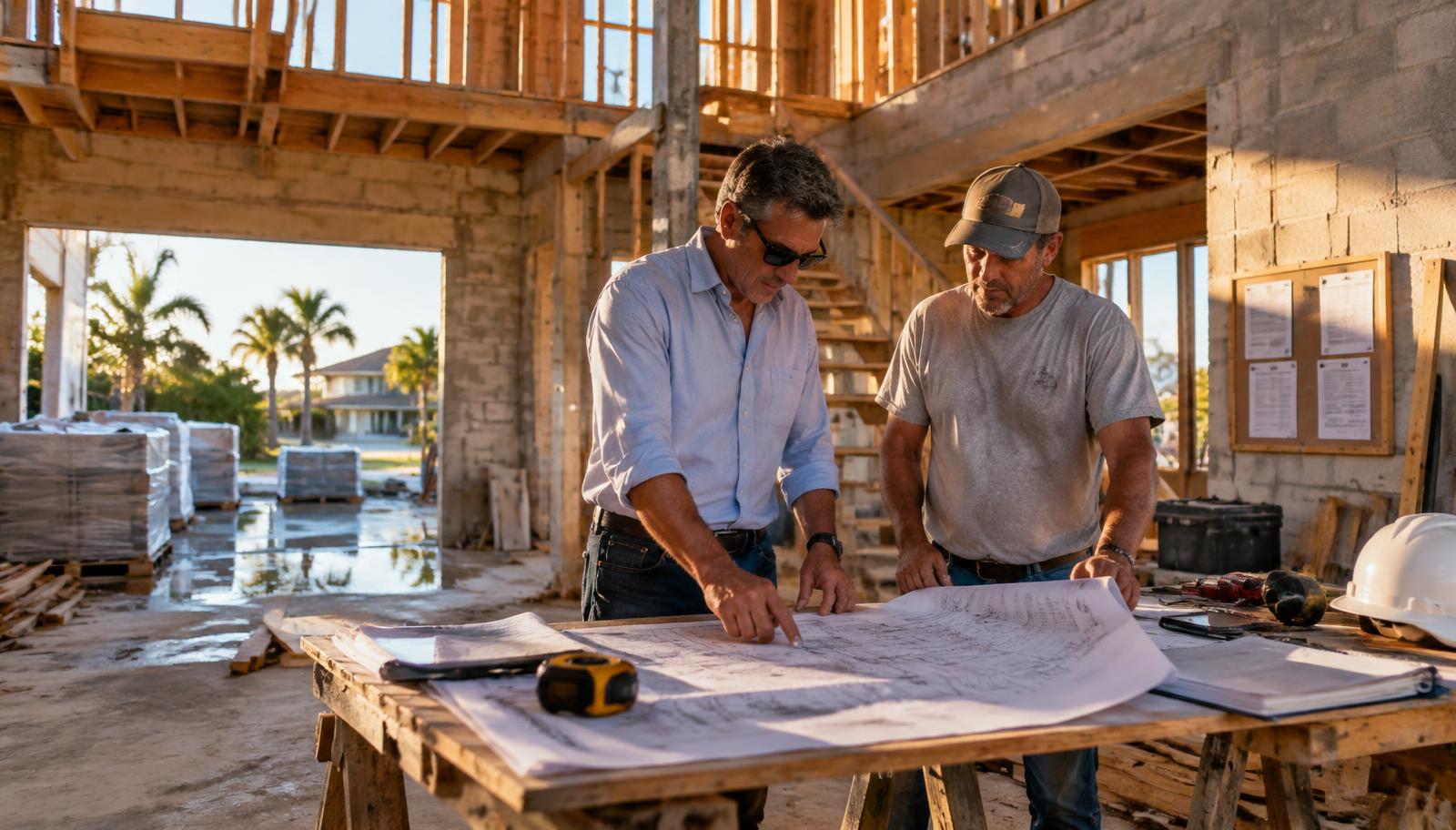
Construction Financing
What Happens When a Construction Loan Expires Before the Project Is Finished? | Florida Guide
An unfinished construction project does not automatically extend a maturing loan. This Florida guide explains extensions, modifications, refinancing, unused draws, updated appraisals, cost overruns and the documents lenders may review.

Investor Education
Can an LLC Get a Real Estate Loan Without Personal Credit? A Florida Private Lending Guide
An LLC real estate loan without personal credit as the deciding factor is possible with asset-based private lenders. This Florida guide covers what lenders review instead, LTV math with worked scenarios, new-LLC and free-and-clear situations, the difference between a credit pull and a personal guarantee, and a borrower document checklist.
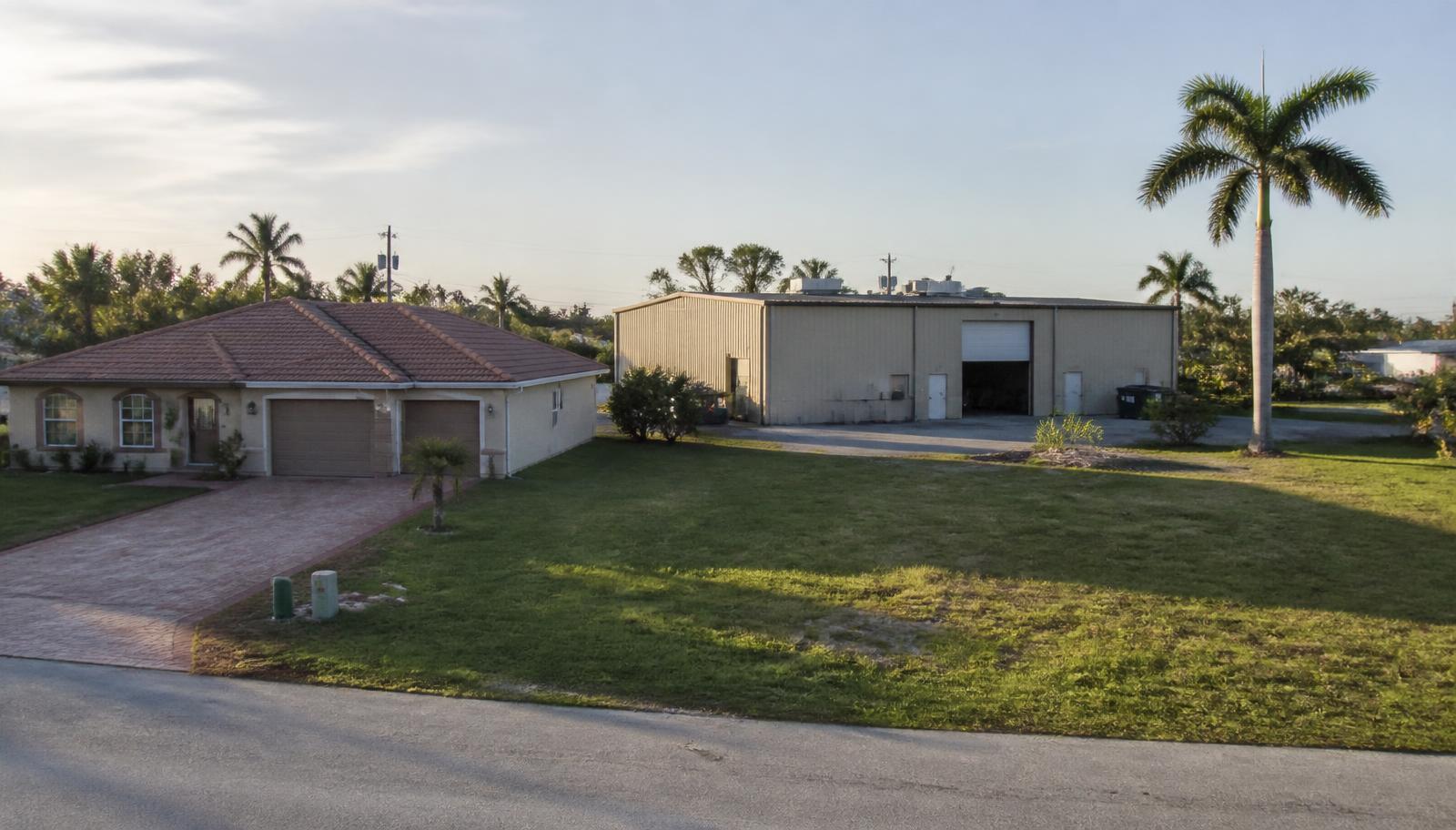
Investor Education
What Is Cross Collateralization in Private Lending? A Complete Guide for Real Estate Investors
Cross collateralization lets investors combine equity from several properties to secure one loan. Here is how the collateral package works, who it fits, the risks, lender requirements, and a Florida example that closed in ten days.
Florida Bridge Loans
Bridge Loan vs. HELOC: Which Is Better for Florida Real Estate Investors? (2026)
Bridge loans fund in days and are underwritten on the asset and exit. HELOCs take weeks and require owner occupancy. Here is how Florida investors should choose, with a decision tree, cost breakdown, and 15 FAQs.
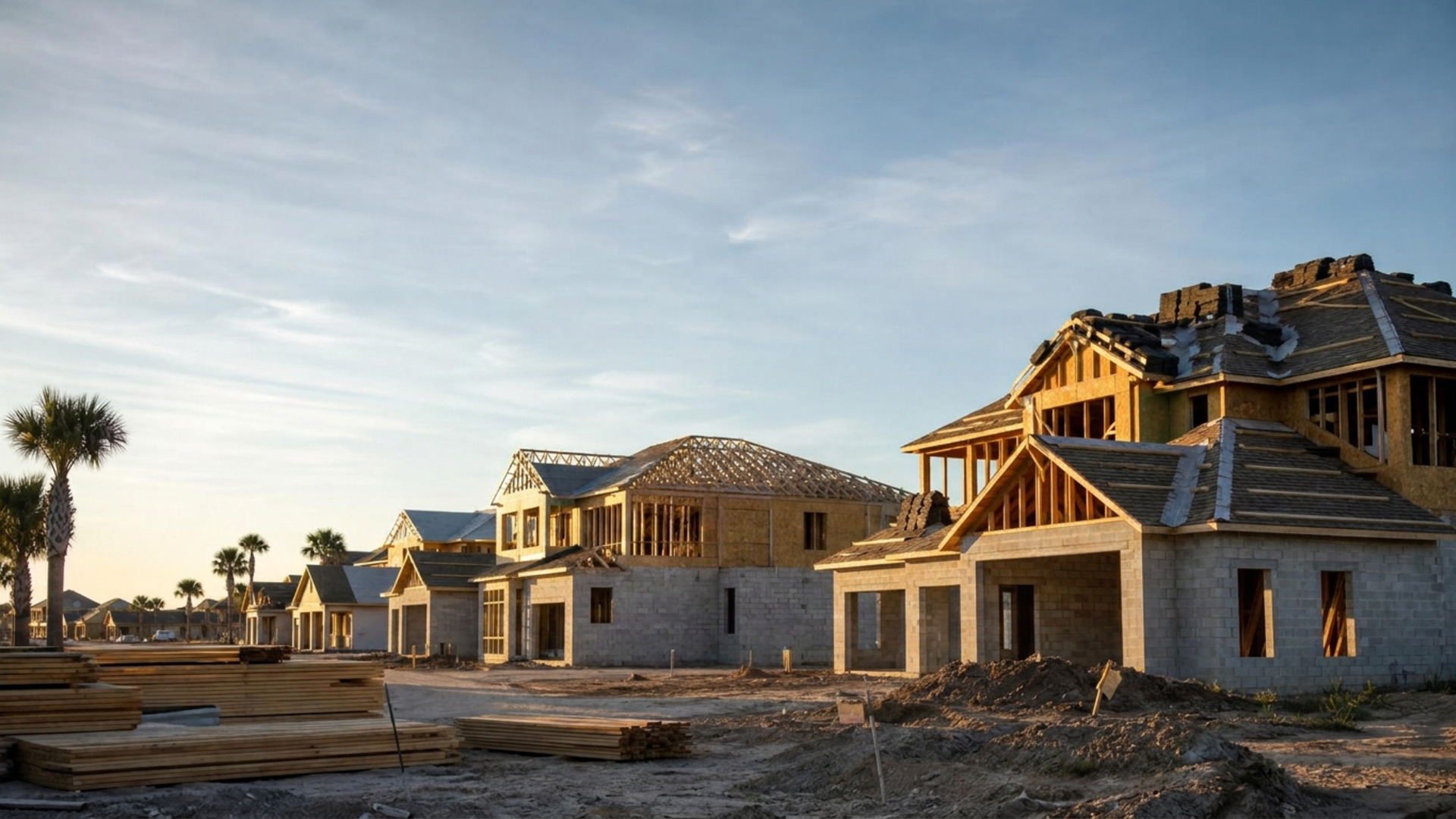
Florida Real Estate Market
Florida Housing Construction Trends 2026: What Fewer Building Permits Mean for Real Estate Investors
Florida building permits have slowed in 2026. Here's what fewer new construction starts mean for investors, plus the loan programs that help you move faster than traditional banks.
Second Mortgages
When Should You Take a Second Mortgage? Florida Investor Guide (2026)
A 2026 guide for Florida real estate investors on business-purpose second mortgages, when they make sense, when to avoid them, comparisons to bridge loans and cash-out refinancing, real Florida examples, and a full FAQ.

Vacant Land Financing
Vacant Land Financing in Florida (2026 Investor Guide)
A complete 2026 guide to vacant land financing in Florida, how it works, qualifying land types, exit strategies, comparison to construction and bridge loans, real investment examples, common mistakes, and a full investor checklist.