Vacant Land Financing
Vacant Land Financing in Florida (2026 Investor Guide)
Published By Luminary Private Lending
- Author:
- Ivan Padilla
- Reviewed By:
- Kevin Mazzola
- Published:
- July 9, 2026
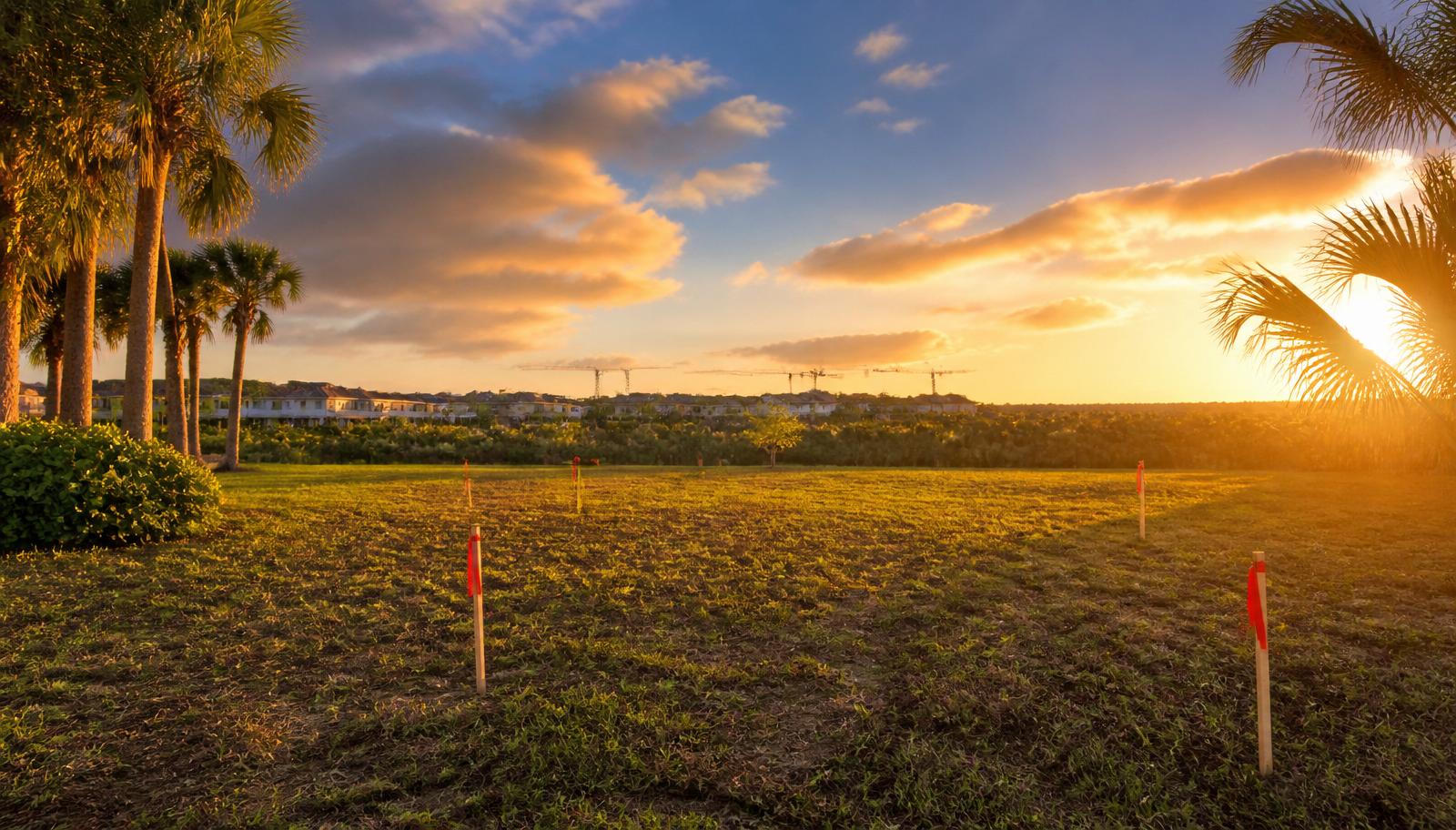
A complete 2026 guide to vacant land financing in Florida, how it works, qualifying land types, exit strategies, comparison to construction and bridge loans, real investment examples, common mistakes, and a full investor checklist.
Buying vacant land in Florida is a smart long-term investment. This option is great for real estate investors, builders, and developers. Good financing is key if you're building a home, developing a commercial property, or investing in land, it helps you grab opportunities fast.
Vacant land financing differs from traditional mortgage loans. It targets properties without homes or buildings. Private lenders usually focus on the property's value, location, and your investment plan, not detailed income checks or complicated bank rules.
Florida draws new residents and businesses every year. That creates steady demand for land throughout the state. As communities grow and buildable land gets scarce, investors seek flexible financing to buy property before prices rise.
Whether you're looking at a residential lot in Orlando, commercial land in Tampa, or agricultural land in Ocala or Southwest Florida, knowing how vacant land financing works can help you make smart investment decisions.
Table of Contents
- Key Takeaways
- What Is Vacant Land Financing?
- Types of Vacant Land That May Qualify
- Who Uses Vacant Land Financing?
- Why Investors Finance Vacant Land
- How Vacant Land Financing Works
- Benefits for Florida Investors
- Florida Markets to Watch
- Vacant Land vs. Construction vs. Bridge
- Real Investment Examples
- Common Mistakes to Avoid
- Vacant Land Investment Checklist
- Why Work With a Florida Private Lender
- Frequently Asked Questions
Key Takeaways
- Vacant land financing helps investors purchase or refinance undeveloped land.
- Financing may be available for residential lots, commercial land, agricultural, and development parcels.
- A clear exit strategy is a critical part of most vacant land transactions.
- Vacant land financing is different from construction financing and bridge loans, each has its own use case.
- Florida continues to offer opportunities for land investors across many growing markets, from Orlando and Tampa to Fort Myers, Naples, and Ocala.
Florida Land Market Snapshot (2026)
Understanding today's market helps investors evaluate whether vacant land is a good fit for their strategy. Recent public data highlights why Florida land remains in demand:
- Population growth: Florida added roughly 365,000 new residents in the latest annual estimate (U.S. Census Bureau, Vintage 2024 population estimates).
- Building permits: More than 190,000 private residential building permits were authorized statewide in 2024, one of the highest totals in the country (U.S. Census. Building Permits Survey).
- Housing starts: Florida single-family housing starts remained near ~135,000 annualized units heading into 2026 (HUD Survey of Construction / U.S. Census).
- Migration: Florida continues to rank among the top U.S. destinations for net domestic migration, per U.S. Census Bureau state-to-state flow data.
- Commercial development: Dodge Construction Network and FRED nonresidential put-in-place series show mid-single-digit growth in Florida commercial construction spending year over year.
- Industrial growth: Industrial and logistics absorption remains positive across Central Florida, Tampa Bay, and Jacksonville corridors as e-commerce distribution expands.
- Buildable-land inventory: Buildable-land supply remains constrained in many high-growth corridors. Central Florida, Southwest Florida, and Northeast Florida, which continues to support long-term investor interest.
Data ranges are estimates based on public sources including the U.S. Census Bureau, HUD, FRED, and Florida Realtors. Figures update over time and should be verified for the county and submarket you're evaluating.
Luminary Tip: Population and permit data are lagging indicators. Investors who combine county-level growth trends with local zoning changes and infrastructure announcements tend to identify opportunities earlier than those who wait for headline numbers.
What Is Vacant Land Financing?
Vacant land financing, also called a Florida land loan, raw land financing, or vacant lot financing, is a loan used to buy or refinance land that has no home or commercial building on it. Instead of financing a structure, the land itself backs the loan.
Real estate investors typically use it to:
- Buy property for future development
- Hold property as a long-term investment
- Sell property after its value rises
- Refinance land they already own to access equity for new ventures
Private lenders usually look at the property's value, location, and the borrower's strategy, not W-2 income documents. That flexibility benefits experienced investors, developers, and business owners with a clear exit plan.
Types of Vacant Land That May Qualify
Not all land is the same. The intended use impacts how lenders evaluate a property for financing. Common categories include:
Residential Lot Financing
Residential lots are designed for single-family homes, townhomes, or small-scale residential developments. Investors often buy these to build later or sell when demand rises.
Commercial Land Financing
Commercial land typically falls under specific zoning classifications and supports:
- Office buildings
- Retail centers
- Warehouses and industrial sites
- Mixed-use projects
Agricultural Land Financing
Farmers, ranchers, and nursery operators use agricultural land for farming, ranching, and nursery operations. Some investors buy this land long-term with an eye on future rezoning or development potential.
Development Land Financing
Development land includes larger parcels intended for future residential communities, commercial projects, or mixed-use developments. These investments need careful planning and a solid exit strategy.
Vacant Investment Property
Some investors, often called land bankers, buy vacant parcels and hold them until values increase or demand grows. As nearby communities expand, undeveloped land can become attractive to builders and developers.
Who Uses Vacant Land Financing?
Vacant land financing serves a wide range of investors and operators across Florida, including:
- Builders assembling lots for future spec homes
- House flippers lining up their next project
- Developers acquiring parcels for residential communities or commercial projects
- Buy-and-hold investors targeting long-term appreciation
- Commercial investors securing sites for retail, office, or industrial use
- Self-storage developers buying land in growth corridors
- Industrial developers pursuing warehouse and logistics sites
- Land bankers holding parcels ahead of infrastructure growth
- Real estate investment companies expanding a diversified Florida portfolio
Why Investors Finance Vacant Land
Financing land helps investors keep their capital free for other opportunities instead of tying up funds in one purchase. It also provides the flexibility to act without delay when desirable properties come to market.
Vacant land financing can help investors:
- Buy land for future residential or commercial development
- Secure property before local values rise
- Refinance owned land to access equity
- Expand their real estate investment portfolio
- Prepare for future construction or development projects
Every investment is unique, before buying, check the location, zoning, intended use, and strategy.
How Vacant Land Financing Works
Every land acquisition is unique, but the financing process usually follows the same six steps. Knowing what to expect helps you prepare documents, evaluate opportunities, and navigate the process with confidence.
Step 1: Submit Your Financing Request
Start by filling out a financing application with basic details about the property and your investment goals. This may include:
- Property address or parcel number
- Sale price or refinance amount
- Type of land
- Intended use
- Estimated timeline
- Planned exit strategy
Step 2: Property Evaluation
Next, the lender reviews the property to see its features and investment potential. The review may include:
- Property location
- Current market value
- Parcel size
- Zoning classification
- Road access
- Nearby development
- Utility availability
- Flood zone considerations
Step 3: Underwriting Review
During underwriting, the lender evaluates the investment more than the borrower. This may include the property's value, loan-to-value (LTV), investment experience, ownership structure, planned use, and exit strategy.
Step 4: Loan Approval and Closing
Once financing is approved and documents are ready, the loan proceeds to closing at a licensed title company or closing attorney. Funds are then disbursed according to the loan terms.
Step 5: Execute Your Investment Plan
After closing, you execute your investment strategy, holding for appreciation, preparing the land for development, selling to another investor, seeking entitlements, or planning a future construction project.
Step 6: Complete Your Exit Strategy
Because vacant land financing is short-term, borrowers need a clear exit strategy. Common exits include selling the appreciated land, refinancing into long-term financing, starting a construction project, selling to a builder or developer, or using proceeds from another investment.
Why this matters: A well-planned exit strategy is often the difference between a successful land investment and one that becomes a carrying-cost problem.
Benefits of Vacant Land Financing for Florida Investors
Preserve Working Capital
Paying cash for land locks up capital that could support other investments, permits, site work, or unexpected expenses. Financing keeps liquidity available as your strategy evolves.
Act Quickly on Investment Opportunities
The best properties don't stay on the market long. Having land acquisition financing ready lets investors act decisively in competitive Florida markets.
Invest Before Development Begins
Many investors buy vacant land before major growth arrives. New neighborhoods, businesses, roads, schools, and infrastructure can boost demand for nearby land. Future appreciation isn't guaranteed, but early positioning can offer meaningful upside.
Flexibility for Future Plans
Vacant land fits a variety of strategies. Depending on market conditions, you can build a residential property, develop a commercial project, hold long-term, sell to another investor or developer, or refinance into another financing solution.
Opportunities Across Florida
From residential communities to commercial corridors, industrial growth areas, agricultural regions, mixed-use developments, and expanding suburbs, Florida offers a wide range of investment opportunities for land buyers.
Florida Markets to Watch
Florida is one of the fastest-growing states in the U.S., and land demand looks different across regions.
- Central Florida, Orlando, Kissimmee, Lakeland, and Ocala continue to attract residential development driven by population growth and job creation.
- Tampa Bay, Hillsborough and Pinellas counties remain a strong market for commercial and mixed-use projects along expanding corridors.
- Southwest Florida, Fort Myers, Naples, and Lee County continue to see interest from investors buying land for future residential communities.
- Northeast Florida, Jacksonville, St. Augustine, and Duval County attract logistics, industrial, and residential land buyers.
- South Florida, Miami-Dade, Broward, and Palm Beach markets support commercial land, infill lots, and redevelopment plays.
Each market is unique, investment choices should be grounded in local zoning, absorption trends, and your financial goals.
Vacant Land Financing vs. Construction Financing vs. Bridge Loans
All three financing options help investors move quickly, but each serves a different purpose.
Vacant Land Financing
- Purpose: Buy or refinance undeveloped land
- Property Type: Vacant residential, commercial, agricultural, or development parcels
- Typical Use: Hold, develop, or sell in the future
- Funds Used For: Land purchase or refinance
- Exit Strategy: Sell, refinance, or begin development
Construction Financing
- Purpose: Finance the construction of a new project
- Property Type: Land with approved plans to build
- Typical Use: Build a home, commercial building, or investment project
- Funds Used For: Construction costs released through draw schedules
- Exit Strategy: Sell the completed project or refinance into long-term debt
Bridge Loan
- Purpose: Buy or refinance an existing investment property
- Property Type: Existing residential or commercial investment property
- Typical Use: Acquire property quickly or access equity
- Funds Used For: Acquisition, refinance, or business-purpose capital
- Exit Strategy: Sell the property or refinance into permanent financing
Many investors use different tools at different stages, buying a lot with vacant land financing today, then transitioning into construction financing when they're ready to build.
Real Investment Examples
Example 1. Residential Lot in Orlando
An investor purchases a one-acre residential parcel in a growing Orlando suburb using vacant land financing. Two years later, after nearby infrastructure improvements and new school construction increase demand, the investor refinances into a construction loan to build three spec homes for sale.
Example 2. Commercial Land in Tampa Bay
A developer acquires a 2.5-acre commercial parcel along a busy Tampa corridor with plans to build a small retail center. Vacant land financing lets them close in under four weeks while the site plan, impact fees, and entitlements are finalized with the city.
Example 3. Agricultural Refinance in Ocala
An investor refinances 40 acres of owned agricultural land near Ocala to free up equity for another Florida real estate project. The land stays in the portfolio, continuing to generate modest agricultural income, while the released capital funds a bridge acquisition elsewhere in the state.
Example 4. Southwest Florida Development Parcel
A regional builder buys a 60-acre development parcel outside Fort Myers and phases lot sales to smaller builders over 24–36 months as the surrounding community expands and utilities are extended to the site.
Example 5. A Simple Financial Example
An investor identifies a $500,000 commercial parcel in a growing corridor. Instead of paying all cash, they use vacant land financing to close the deal. The remaining capital is preserved for due diligence, engineering, impact fees, permits, or the next investment opportunity. Numbers are illustrative only, actual loan-to-value, rates, and terms depend on the property, borrower, and program guidelines.
Example 6. The Land-to-Build Path
Many investors follow a multi-stage financing path as a project matures:
Purchase Land
      ↓
Hold / Entitle / Rezone
      ↓
Vacant Land Financing  →  Construction Financing
      ↓
Build
      ↓
Sell  or  Refinance into Permanent Financing
Each step requires a different financing tool. Coordinating them early, with lender, attorney, surveyor, and general contractor aligned, helps avoid delays between phases.
Luminary Tip: Investors often focus on purchase price but overlook entitlement costs, utility connections, and impact fees. Budgeting for these expenses before closing can help avoid surprises once development begins.
Common Myths About Vacant Land Financing
Myth: Vacant land can only be purchased with cash.
Reality: Many investors use financing to preserve liquidity for due diligence, entitlements, engineering, impact fees, and other opportunities.
Myth: All vacant land is the same.
Reality: Zoning, utility access, road frontage, flood zones, wetlands overlays, and location dramatically affect value and financeability.
Myth: You must build immediately after buying land.
Reality: Many investors hold land for future development, entitlement improvements, or long-term appreciation.
Myth: Raw land can't qualify for financing.
Reality: Some private lenders finance raw land when the borrower has a clear strategy, adequate equity, and a viable exit.
Myth: Land loans and construction loans are the same product.
Reality: They serve different purposes. Land loans fund acquisition or refinance; construction loans fund the build via draw schedules.
Did you know? Two vacant parcels with identical acreage can have very different values depending on zoning, utility access, road frontage, and whether they sit inside a flood zone or wetlands overlay. A proper ALTA Survey and Phase I environmental assessment can surface these differences before closing.
Luminary Tip: Pull the Parcel ID early and cross-check it against the county property appraiser, FEMA flood maps, and any wetlands or conservation overlay. Fifteen minutes of upfront research often prevents weeks of surprises during due diligence.
Common Mistakes Investors Should Avoid
Buying Without Understanding Zoning
Not every parcel can be used the way you expect. Confirm current zoning fits your planned use, and if you plan to build later, confirm that local regulations align with your goals.
Overlooking Access to Utilities
Vacant land may not have immediate access to water, sewer, electricity, natural gas, or internet service. Extending utilities can significantly raise development costs.
Ignoring Road Access
A parcel can look attractive on a map but have limited or no legal access. Confirm recorded public road frontage or a legal easement before closing.
Underestimating Holding Costs
Even undeveloped land has ongoing expenses, property taxes, insurance (when applicable), association fees, maintenance, and survey or legal costs. Budget accordingly.
Not Having an Exit Strategy
Every real estate investment needs a clear plan for how you'll leave it, sell, build, refinance, hold long-term, or sell to a builder.
Skipping Due Diligence
Vacant land can carry environmental restrictions, flood zone issues, easements, or title concerns. Work with a real estate attorney, licensed surveyor, title company, and experienced financing team.
Vacant Land Investment Checklist
- Confirm current zoning matches your planned use
- Verify legal road access or recorded easement
- Review FEMA flood maps and elevation
- Check utility availability (water, sewer, power, internet)
- Estimate holding costs, taxes, insurance, association fees
- Understand local development regulations and impact fees
- Define your exit strategy before closing
- Work with experienced professionals, attorney, surveyor, title, lender
Why Work With a Florida Private Lender
Florida real estate has its own rhythm, hurricane season, insurance markets, county-level permitting, and county-specific growth patterns. Working with a lender that understands the state can help transactions close faster and with fewer surprises. When evaluating a private lender for a land deal, look for:
- Knowledge of Florida markets, from Panhandle to South Florida
- Local underwriting experience with vacant land and development parcels
- Business-purpose lending focus designed for investors and operators
- Familiarity with Florida title and closing processes, including county-specific requirements
Frequently Asked Questions About Vacant Land Financing in Florida
What is vacant land financing?
Vacant land financing is a loan used to buy or refinance undeveloped land. Investors use it for residential lots, commercial land, agricultural property, or development sites.
What types of land can lenders finance?
Depending on the property and program, financing may be available for residential lots, commercial land, agricultural parcels, development land, and vacant investment property.
Can I finance land through an LLC?
Yes. Many real estate investors buy land through an LLC or other business entity, subject to program guidelines.
Can I refinance land I already own?
Yes. Investors often refinance vacant land they own to access equity for other real estate or business opportunities.
How is vacant land financing different from a construction loan?
Vacant land financing funds the purchase or refinance of undeveloped land. Construction financing funds the actual build. Many investors use land financing first, then transition into construction financing when it's time to build.
Is vacant land financing available throughout Florida?
Yes, private lenders finance land throughout Florida. Availability depends on the property's location, characteristics, and program guidelines.
How long does the financing process take?
Timelines vary based on the property, documents, title work, and underwriting. Well-prepared files often close in 2–4 weeks.
What should you do before buying vacant land?
Confirm zoning, property access, utility availability, flood zone status, environmental considerations, development potential, holding costs, and your exit strategy.
Can developers use vacant land for future development?
Yes. Many investors buy land to develop homes, commercial buildings, or mixed-use projects, always subject to local zoning and permitting requirements.
Why is an exit strategy important?
Because vacant land financing is short-term, a clear exit, sale, refinance, or beginning construction, helps manage risk and guide financial decisions.
What makes Florida attractive for vacant land investing?
Population growth, business expansion, and improving infrastructure keep demand strong for residential, commercial, and development land across the state.
Can foreign investors finance vacant land in Florida?
Some private lending programs accommodate foreign nationals with additional documentation and structuring. Availability varies by program.
What is considered raw land?
Raw land is undeveloped property with no utilities, roads, or improvements. It typically requires the most due diligence and infrastructure planning.
Can I finance multiple parcels?
Yes. Some programs allow multiple parcels to be financed together, especially when they're contiguous or part of a broader development plan.
Does zoning affect financing?
Yes. Zoning influences how lenders evaluate a property, how it can be used, and what exit strategies are realistic.
Can vacant land be used as collateral?
Yes. In most vacant land financing structures, the land itself serves as the collateral securing the loan.
How can I prepare before applying?
Collect property details, define your intended use, estimate project costs (if you plan to develop), and have a clear investment and exit strategy documented.
Can vacant land financing be used for inherited property?
In many cases, yes. Once title has been transferred to the heirs and any probate steps are complete, an investor may be able to refinance inherited land through a business-purpose vacant land loan to unlock equity for other real estate projects. Program guidelines and title requirements apply.
Can vacant land financing be used for investment partnerships?
Yes. Vacant land loans are frequently closed in the name of an LLC, LP, or joint venture, with the operating agreement outlining ownership and responsibilities. All members or managers signing on the loan will typically go through underwriting and background review.
What documents are usually required?
Common items include the purchase contract or evidence of current ownership, a legal description or Parcel ID, a recent survey (or ALTA Survey for commercial deals), zoning verification, entity documents (LLC operating agreement, EIN), borrower ID, and a summary of the investment plan and exit strategy. Additional items. Phase I ESA, wetlands delineation, or title commitment, may be requested based on the parcel.
Glossary. Common Vacant Land Terms
- Parcel: A legally defined piece of land identified by a Parcel ID with the county property appraiser.
- Raw land: Property without improvements, no utilities, roads, or structures.
- Entitlements: Government approvals, zoning, site plan, permits, that allow development.
- Easement: A recorded legal right to use another owner's land, often for access or utility easements.
- Title search: A review of public records confirming ownership, liens, and encumbrances.
- Survey / ALTA Survey: A licensed surveyor's map of a parcel's boundaries, easements, and improvements. An ALTA Survey meets national standards used in commercial transactions.
- Plat: A recorded map that shows how a tract of land is subdivided into lots.
- Site plan: A scaled drawing showing proposed improvements, setbacks, parking, and utilities on a parcel.
- Impact fees: One-time local government fees charged on new development to fund infrastructure.
- Wetlands: Areas regulated by state and federal agencies; wetlands overlays can limit developable acreage.
- Environmental assessment (Phase I ESA): A study identifying potential environmental contamination or liability on a parcel.
- Due diligence: The investigation period used to confirm zoning, title, survey, environmental status, and feasibility.
Sources & References
- U.S. Census Bureau. Population Estimates and Building Permits Survey (census.gov)
- HUD. Survey of Construction (Census SOC)
- Florida Realtors. Market Statistics (floridarealtors.org/research)
- Federal Reserve Economic Data (FRED) Nonresidential Construction Spending (fred.stlouisfed.org)
- FEMA. Flood Insurance Rate Maps (FEMA FIRMs)
Continue Learning
- What Is a Bridge Loan in Florida?
- What Is a Construction Loan in Florida?
- Understanding Second Mortgages
- Florida Private Lending Guide
- Vacant Land Financing Services
- Apply for Financing
- Contact Luminary
Final Thoughts
Whether you're purchasing your first investment lot or assembling land for a larger development project, understanding your financing options before making an offer helps you move with confidence. Vacant land can create meaningful opportunities for investors who think beyond today's market, but the difference between a strong outcome and a costly hold usually comes down to preparation, due diligence, and having the right financing partner in place.
Florida continues to grow, and undeveloped land remains central to its real estate market. With a solid plan and an experienced lender, vacant land can be a durable foundation for residential, commercial, and mixed-use projects.
If you're evaluating a vacant land investment in Florida, our team at Luminary Private Lending can review your project, discuss financing options, and help you determine whether vacant land financing may be an appropriate fit for your strategy.
Author: Ivan Padilla · Reviewed by: Kevin Mazzola · Last updated: July 9, 2026 · Approximate reading time: 15 minutes.
Editorial note: this guide is reviewed periodically to reflect changes in Florida lending practices and market conditions.
Educational disclaimer: this article is informational and does not constitute a loan commitment or legal, tax, or investment advice. Programs, rates, and guidelines vary and change.
Related Florida Lending Resources
Keep Reading
Latest Insights
Keep exploring Florida private lending insights.

Investor Education
What Does 125% Lender’s Title Insurance Mean? Florida Private Lending Guide
A 125% lender’s title insurance requirement means the policy amount equals 125% of the loan principal. It does not mean the borrower receives 25% more money or pays a 25% fee. On a $1,950,000 loan, 125% coverage equals $2,437,500; actual protection depends on the policy terms.
Investor Education
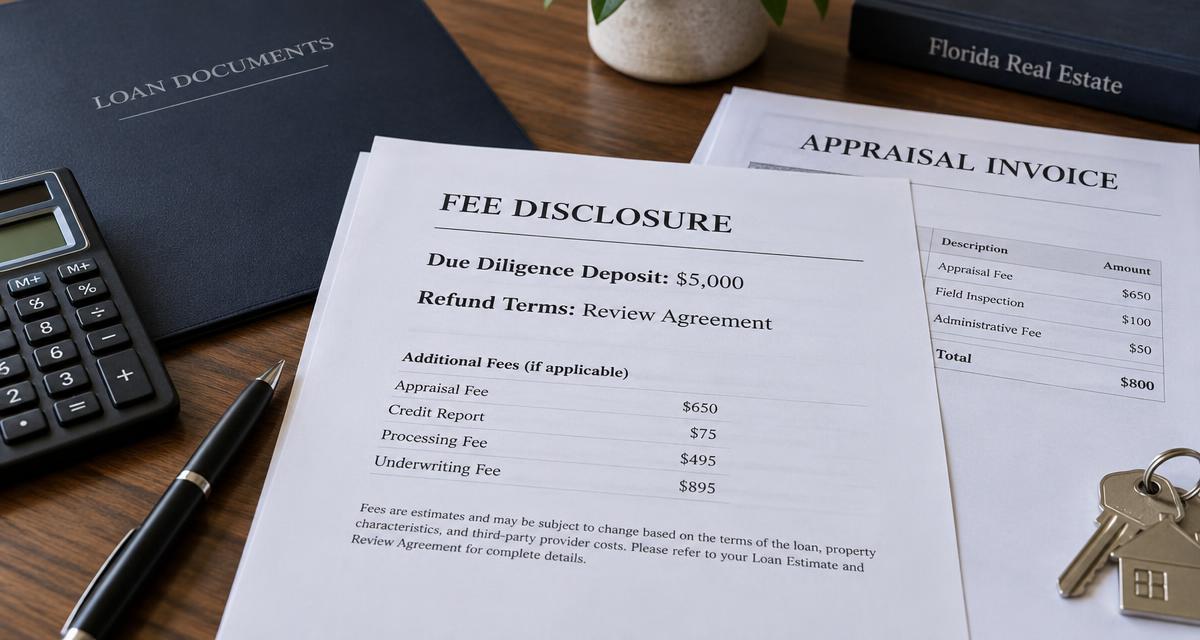
Upfront Due Diligence Deposits: How Florida Borrowers Can Avoid Costly Financing Mistakes
Know who receives your money, what work it covers and what happens if financing fails. A practical Florida guide to upfront deposits, written fee terms and independent verification.
Construction Financing
What Happens When a Construction Loan Expires Before the Project Is Finished? | Florida Guide
An unfinished construction project does not automatically extend a maturing loan. This Florida guide explains extensions, modifications, refinancing, unused draws, updated appraisals, cost overruns and the documents lenders may review.

Investor Education
Can an LLC Get a Real Estate Loan Without Personal Credit? A Florida Private Lending Guide
An LLC real estate loan without personal credit as the deciding factor is possible with asset-based private lenders. This Florida guide covers what lenders review instead, LTV math with worked scenarios, new-LLC and free-and-clear situations, the difference between a credit pull and a personal guarantee, and a borrower document checklist.
Bridge Loans
Commercial Bridge Loans in Florida: A Complete Guide to $5M to $20M Financing
The pillar guide to commercial bridge loans in Florida: what they are, who they fit, how LTV sizes a $5M to $20M request, what documents lenders need, how appraisals and exit strategies drive approval, and when bridge financing is the wrong tool.
Investor Education
What Is a Balloon Payment? A Complete Guide for Real Estate Investors in Florida
A balloon payment is a large final payment due at the end of a short term loan. Here is how balloon loans work, which programs use them, real Florida examples, the risks, and how investors plan an exit strategy before borrowing.
Second Mortgages
When Should You Take a Second Mortgage? Florida Investor Guide (2026)
A 2026 guide for Florida real estate investors on business-purpose second mortgages, when they make sense, when to avoid them, comparisons to bridge loans and cash-out refinancing, real Florida examples, and a full FAQ.
Construction Loans
What Is a Construction Loan in Florida? The Complete Investor Guide (2026)
A complete 2026 guide to construction loans in Florida, how draw schedules work, who qualifies, private vs. bank financing, LTC and LTV, Florida-specific building challenges, real examples, and the mistakes investors should avoid.

Bridge Loans
What Is a Bridge Loan in Florida? Complete 2026 Investor Guide
A complete 2026 guide to bridge loans in Florida, how they work, LTV, ARV, exit strategies, costs, timelines, three real case studies, common mistakes, and when a bridge loan is (and isn't) the right tool.
Construction Financing
Soft Cost Financing in Florida: Funding Your Project Before Construction
Soft cost financing helps Florida borrowers pay eligible predevelopment expenses such as architectural drawings, engineering, surveys, site investigations and permit fees before construction begins. Eligibility depends on the property, the borrower and the project review.
Investor Education
Can You Get a Private Real Estate Loan Without Tax Returns in Florida?
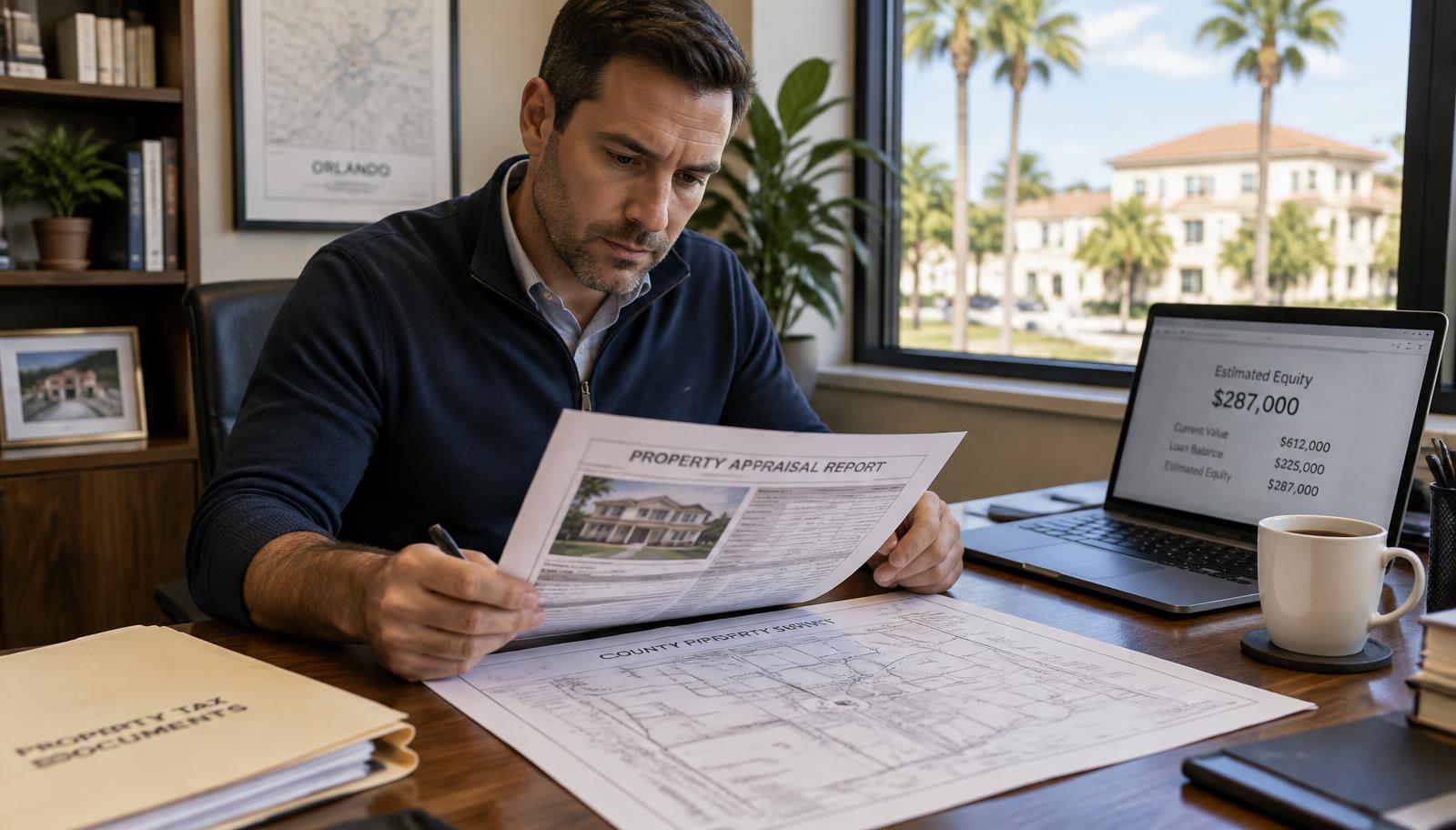
Tax returns do not always reflect an investor's real financial strength. This Florida guide explains how asset-based private lenders evaluate property value, equity, loan-to-value, liquidity, use of funds and exit strategy instead of conventional income documentation.

Investor Education
Can a Newly Formed LLC Qualify for a Private Real Estate Loan in Florida?
A newly formed LLC may still qualify for private real estate financing in Florida. This guide explains what asset-based lenders review instead of operating history: property value, equity, liens, liquidity, the principals, documentation and the exit strategy.