Florida Market
Florida Housing Market Growth in 2026: Key Insights for Investors
Published By Luminary Private Lending
- Author:
- Ivan Padilla
- Reviewed By:
- Kevin Mazzola
- Published:
- June 20, 2026
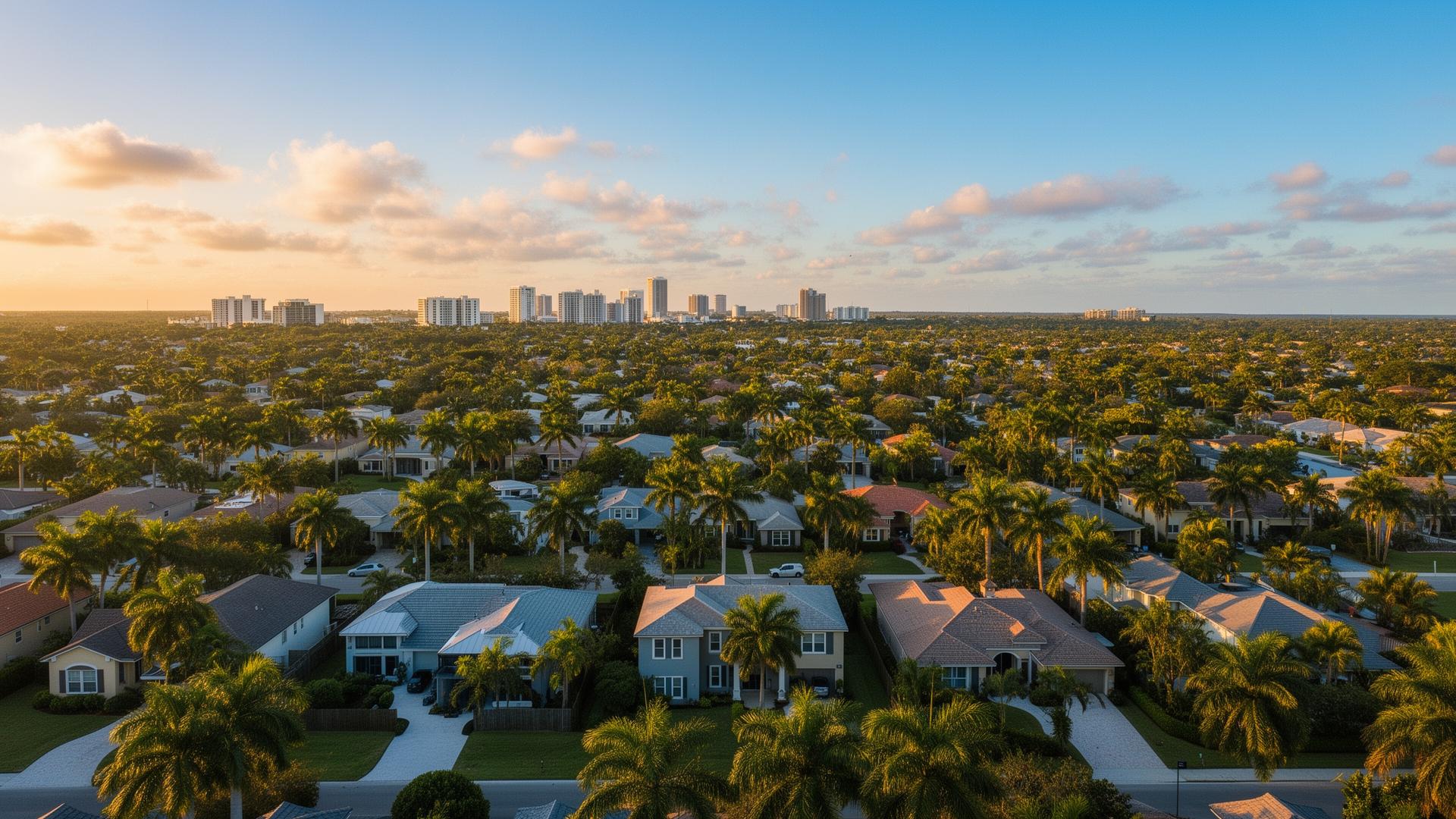
Florida's 2026 housing market is opening one of the best buying windows in years. See investor stats, city outlooks, county growth, and how private lending closes deals fast.
The Florida housing market enters 2026 with strong fundamentals, sustained migration, expanding inventory, and a diversified economy spanning Orlando, Tampa, Miami, Jacksonville, and Fort Lauderdale. For investors, the combination of rising listings and steady demand is opening one of the best buying windows in years, provided you can move quickly with the right financing.
Florida Housing Market Overview in 2026
The Florida real estate market remains one of the most active in the country. Despite higher interest rates and shifting macro conditions, buyer interest stays elevated across Orlando, Tampa, Miami, Jacksonville, Fort Lauderdale, Sarasota, and Naples. According to Florida Realtors, single-family closed sales remain resilient even as inventory expands.
The defining change in 2026 is supply. After years of compressed listings, active inventory has rebounded meaningfully, giving disciplined investors better acquisition prices, more negotiating room, and broader selection across price bands.
Florida Housing Market Statistics for 2026
| Metric | Early 2026 |
|---|---|
| Median single-family home price | ~$420,000 |
| Months of inventory | ~4.5 months |
| Average days on market | ~55 days |
| Annual population growth | +300,000+ residents |
| New housing permits (annualized) | ~190,000 |
| Avg. 30-year mortgage rate | ~6.5%–7.0% |
Sources: Florida Realtors, U.S. Census Bureau, Federal Reserve, NAR.
Why Florida Continues to Attract New Residents
Florida's appeal to investors and homebuyers is structural, not seasonal:
- No state income tax
- Strong job creation across tech, healthcare, aerospace, defense, and logistics
- Pro-business regulatory environment
- Warm climate and quality of life
- Affordability relative to the Northeast and West Coast
Inbound migration from New York, New Jersey, Illinois, and California continues to bring high-income buyers and renters into Florida, fueling demand for housing, rental units, and new construction.
Florida Housing Market 2025 vs 2026
| Metric | 2025 | 2026 |
|---|---|---|
| Active inventory | Tight | Rising |
| Median price | ~$410,000 | ~$420,000 |
| Days on market | ~45 | ~55 |
| Population growth | +1.6% | +1.5% |
| Buyer leverage | Low | Improving |
Rising Inventory Creates New Opportunities
For years, Florida investors fought bidding wars on every property. In 2026, expanded listings mean fewer competing offers, better negotiating leverage, and more favorable acquisition prices. Investors with fast capital, particularly through Florida bridge financing, can secure properties before the next wave of demand compresses inventory again.
Best Florida Markets for Investors in 2026
Orlando Housing Market Outlook
Orange County and surrounding Osceola County continue to anchor Central Florida's investor activity. Tech, healthcare, aerospace, and tourism fuel job growth, while Lake Nona, Horizon West, Winter Garden, and Kissimmee drive new construction and rental demand. Single-family rentals, build-to-rent communities, and multifamily projects remain the strongest plays.
Tampa Housing Market Outlook
Hillsborough County and Pasco County benefit from corporate relocations, port and logistics expansion, and infrastructure investment. Tampa's investor market remains one of Florida's most balanced, strong rental demand, healthy price appreciation, and significant new construction in Wesley Chapel, Riverview, and South Tampa.
Miami Housing Market Outlook
Miami-Dade County continues to attract international capital, luxury buyers, and large-scale developers. Brickell, Edgewater, Wynwood, and Doral remain active for condo conversions, mixed-use construction, and high-end rentals. Builders use construction financing to keep projects moving through long entitlement cycles.
Jacksonville Housing Market Outlook
Jacksonville offers some of the strongest affordability in Florida, supporting steady rental demand and a deep pipeline of new construction. Logistics, finance, and healthcare employment continue to expand, making Jacksonville a core market for build-to-rent and single-family rental investors.
Fort Lauderdale Housing Market Outlook
Fort Lauderdale's coastal demand, marine industry, and downtown redevelopment keep both luxury and rental investment active. Investors targeting Broward County typically combine bridge loans for acquisition with second mortgage programs to unlock equity from existing properties.
Fastest Growing Florida Counties in 2026
- Orange County, Orlando tech, healthcare, and tourism corridor.
- Osceola County, Lake Nona, Kissimmee, and southeast Orlando expansion.
- Hillsborough County, Tampa metro growth and logistics.
- Pasco County, Wesley Chapel and northern Tampa Bay buildout.
- Miami-Dade County, international demand and urban redevelopment.
- Palm Beach County, wealth migration and luxury rentals.
- Polk County, I-4 corridor industrial and residential growth.
How Population Growth Impacts Real Estate Demand
Florida adds roughly 300,000+ residents annually, according to the U.S. Census Bureau. That demand drives single-family sales, rentals, build-to-rent communities, and infill construction across every major metro. For investors, sustained migration is the single most important fundamental supporting long-term Florida property investment.
Why Investors Are Turning to Private Lending
Conventional banks remain slow, document-heavy, and inflexible, a poor fit for time-sensitive acquisitions. Hard money lenders in Florida and private capital providers fill the gap with:
- Faster approvals (typically 7–14 days)
- Asset-based underwriting focused on equity and exit
- Flexible structures for fix-and-flip, BRRRR, and bridge scenarios
- Construction financing for ground-up projects
- Funding for distressed, vacant, or non-stabilized assets
Bridge Loans for Time-Sensitive Opportunities
Florida bridge loans remain the workhorse of investor financing. Common uses include:
- Investment property acquisitions
- Fix-and-flip projects
- Cash-out refinancing for equity deployment
- Auction and distressed purchases
- Short-term bridge between sale and reinvestment
Construction Loans for New Development Projects
As Florida's population grows, builders continue to deliver new inventory across single-family, build-to-rent, and small multifamily. Construction financing Florida programs cover ground-up homes, spec construction, and small developments, with structured draws tied to project milestones.
Vacant Land and Second Mortgage Programs
Investors expanding into land banking or equity deployment use vacant land financing for acquisition and cash-out, and second mortgages to unlock equity from existing properties without disturbing low-rate first liens.
Example: How a Florida Investor Used Bridge Financing
Risks Investors Should Watch
- Interest rate volatility
- Property insurance costs (especially coastal)
- Property tax reassessments
- Construction and labor inflation
- Submarket-specific oversupply
Florida Housing Market Outlook for the Rest of 2026
Expect continued population growth, steady demand, and a more balanced inventory environment through the back half of 2026. Strategic investors with quick, flexible financing are positioned to capture some of the best entry prices in recent memory.
How Luminary Private Lending Helps Florida Investors
Luminary Private Lending serves investors, builders, and developers across Florida with:
- Bridge Loans, fast, asset-based acquisition financing.
- Construction Loans, ground-up residential and small development.
- Vacant Land Loans, purchase and cash-out.
- Second Mortgage Programs, equity access without touching your first lien.
Disclaimer: This article is informational and does not constitute financial, legal, investment, or tax advice. All loans are subject to underwriting, property review, and appraisal.
Related Florida Lending Resources
Keep Reading
Latest Insights
Keep exploring Florida private lending insights.
Florida Market
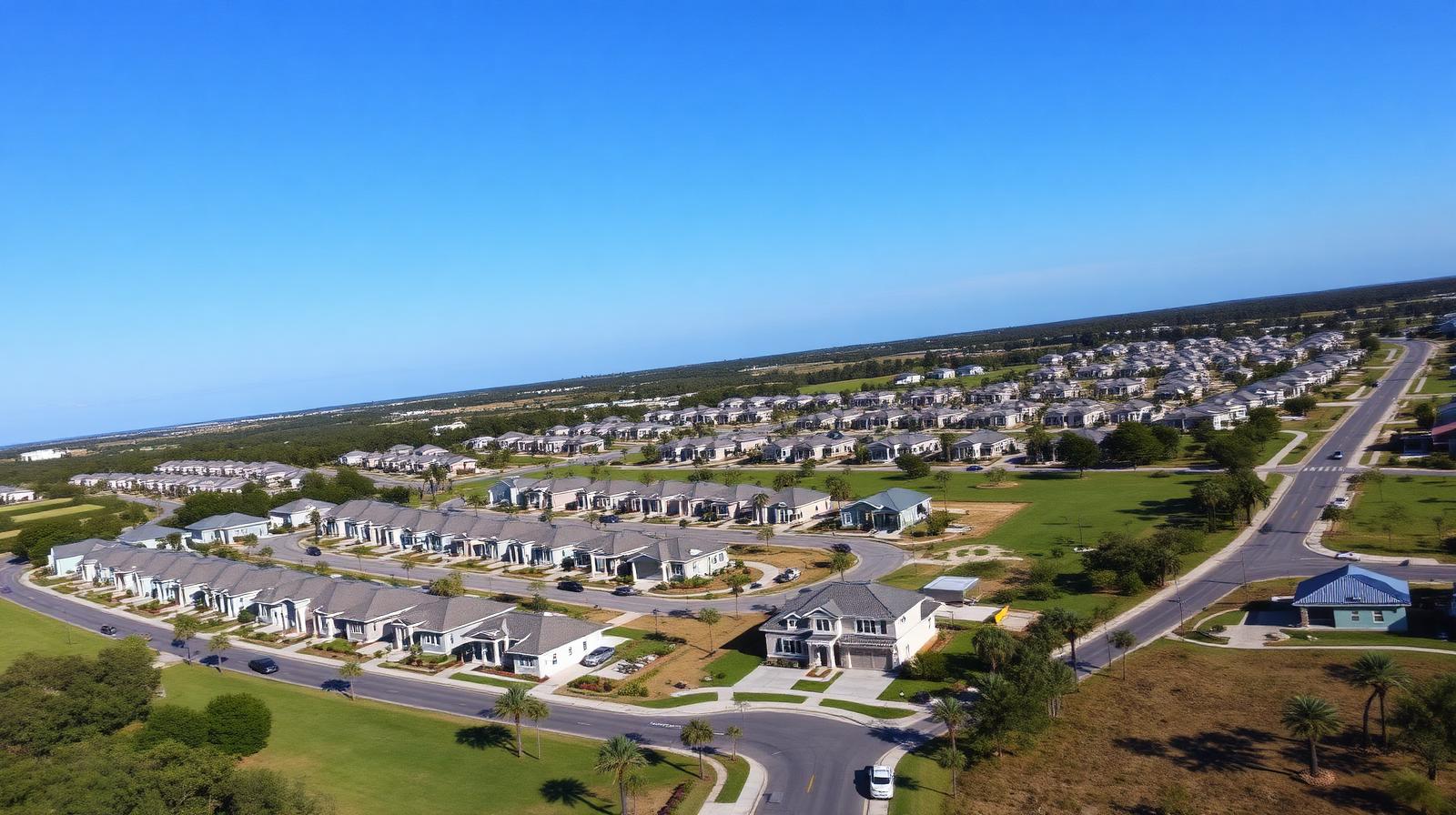
Osceola County Growth Update: Impact of 1,000 New Homes on Florida Real Estate Investors
Osceola County is set to add approximately 1,000 new homes, here's what the expansion could mean for Florida investors, builders, landowners, and developers watching Central Florida.
Florida Market
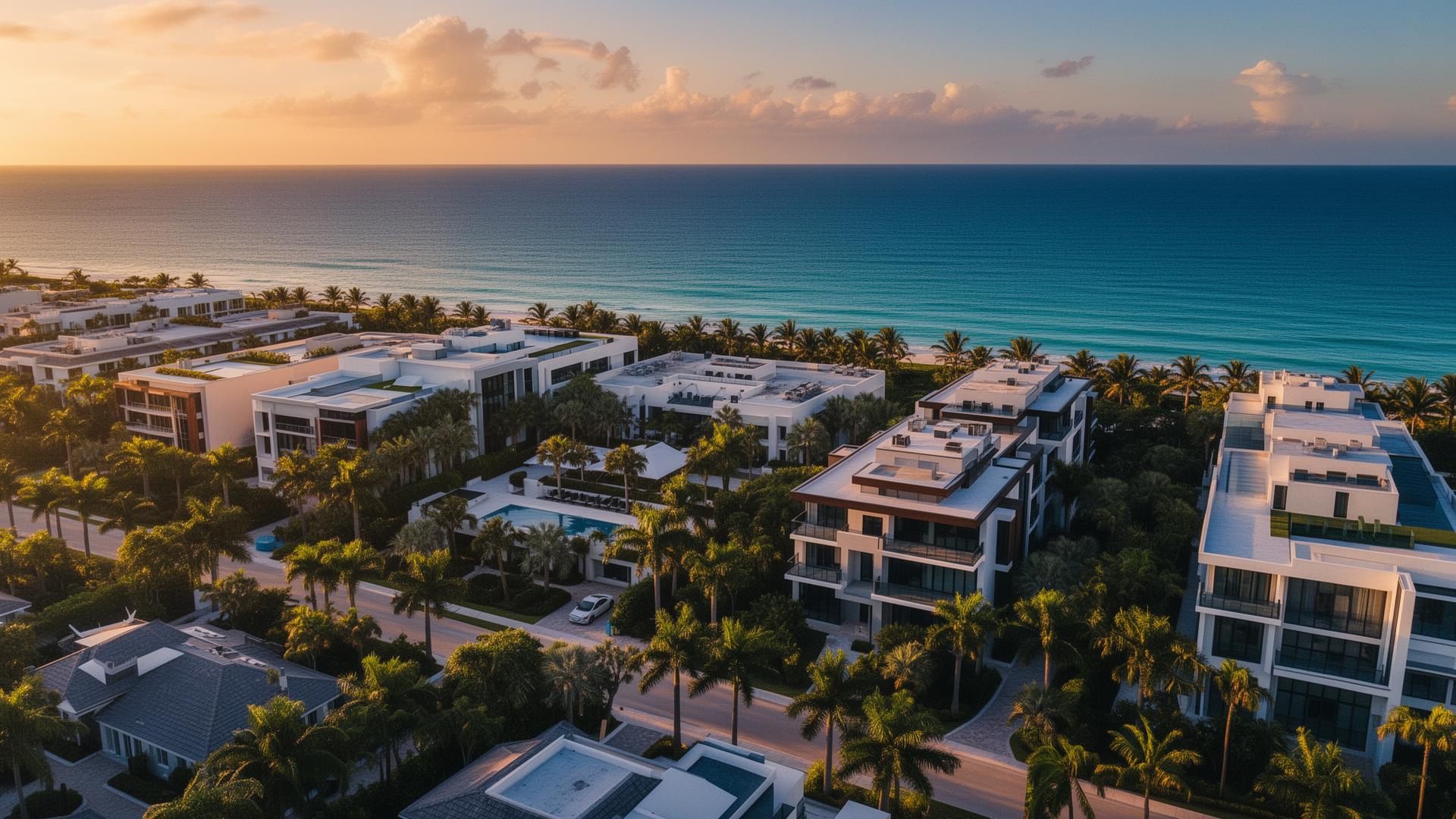
Florida Bridge Loans: How Investors Are Winning More Deals With Private Capital in 2026
Florida bridge loans are helping investors, builders, and developers close faster in Orlando, Tampa, Miami, Jacksonville, and Fort Lauderdale. Charts, comparisons, and a real bridge-loan case study for 2026.
Florida Market
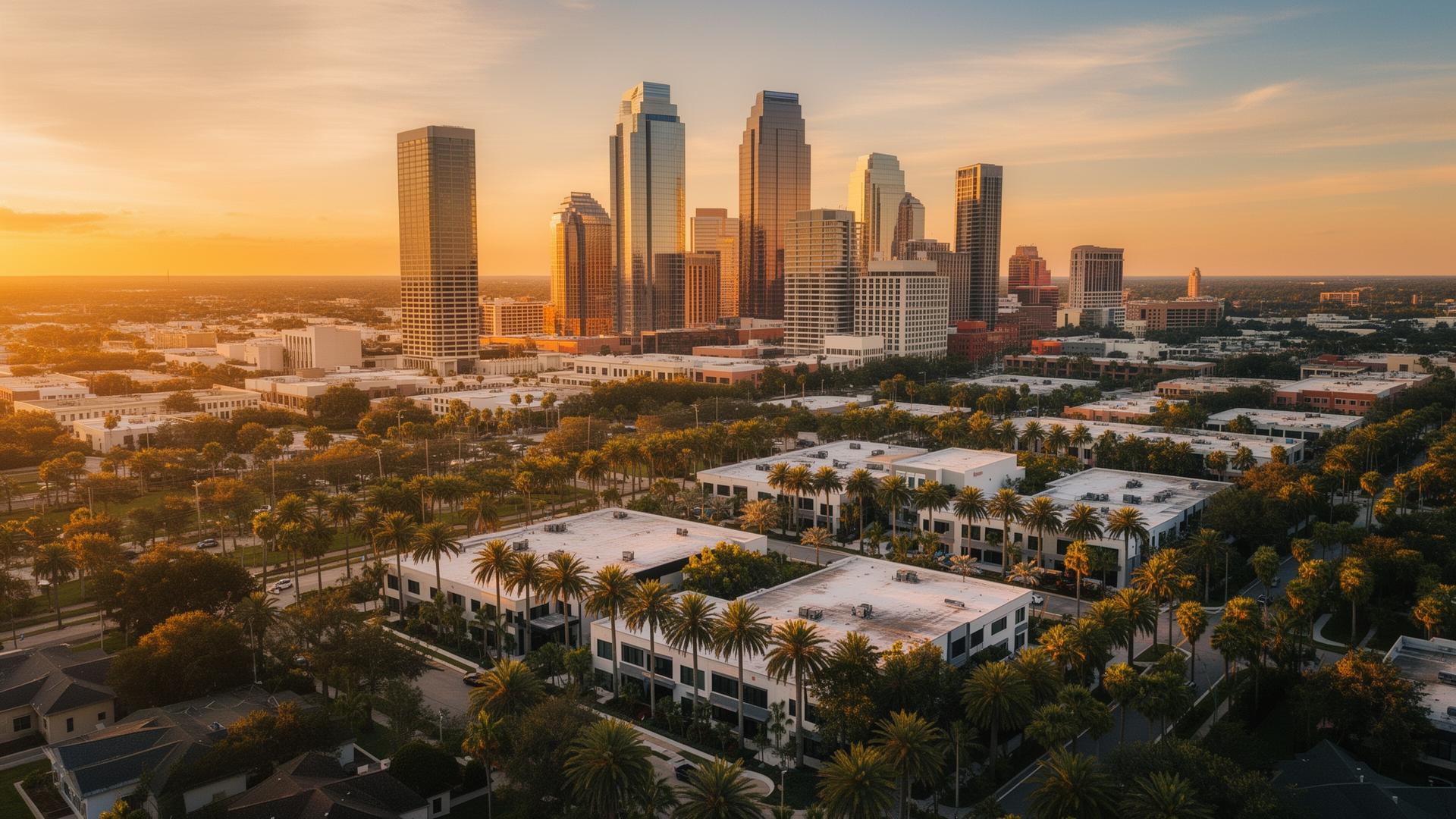
Florida Private Lending: Why Orlando's Tech Growth Is Creating Real Estate Investment Opportunities in 2026
Orlando's tech boom, Gen Z migration, and Central Florida growth corridors are creating real opportunities for investors. See how Florida private lending, bridge, construction, land, and second-mortgage programs, helps close deals faster in 2026.
Florida Market
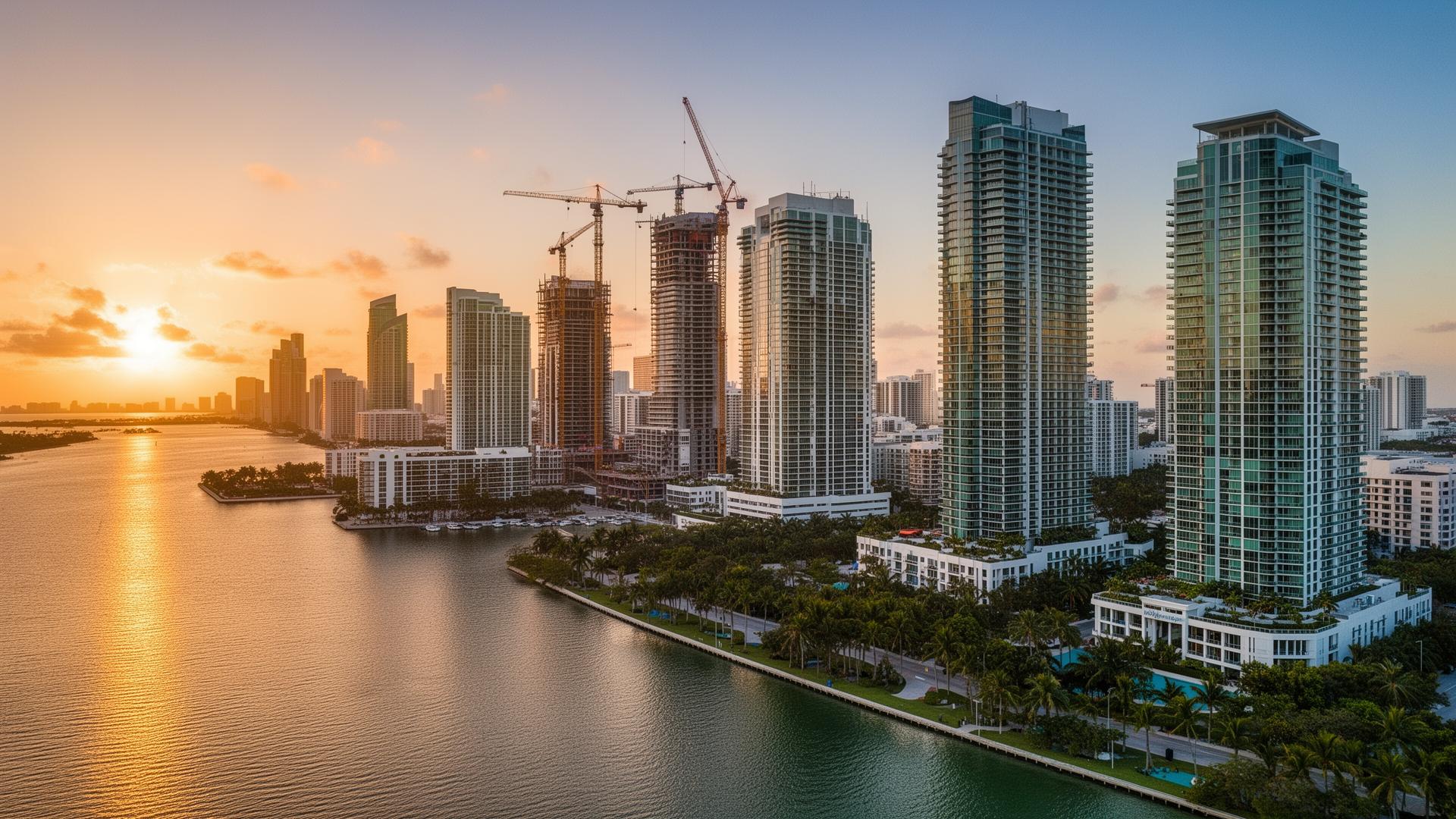
Miami-Dade Development Boom Creates New Opportunities for Florida Real Estate Investors in 2026
Miami-Dade's 2026 development boom is creating fresh opportunities for Florida Real Estate Investors. See how Florida Hard Money Lenders Residential financing, bridge, construction, land, and second mortgages, helps investors move first in Miami, Hialeah, Doral, Kendall, Coral Gables, and Homestead.
Florida Market
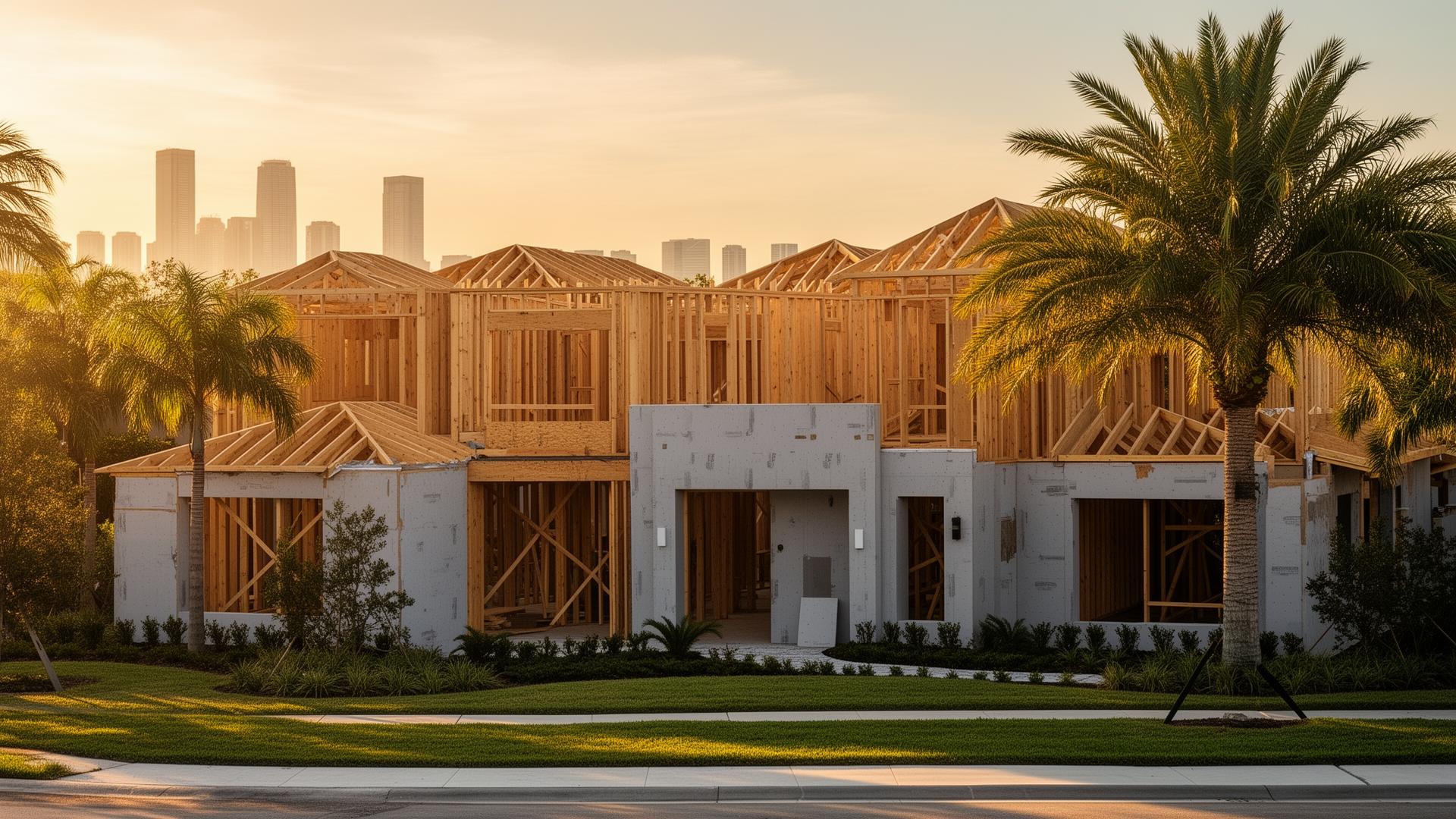
Why Orlando's Growth Is Creating New Opportunities for Private Lending in Central Florida
Orlando is attracting more high-net-worth buyers, investors, and developers than ever. Here's why private lending has become the go-to financing tool across Central Florida in 2026.

Florida Market
Will Florida End Property Taxes? What Real Estate Investors Need to Know
Florida is debating major property tax changes. Here's a factual, investor-focused breakdown of how the system works today, what reform could mean for cash flow and values, and what to do right now.

Florida Market
Construction Loan Florida: Miami's New Construction Market Offers Builders Opportunities in 2026
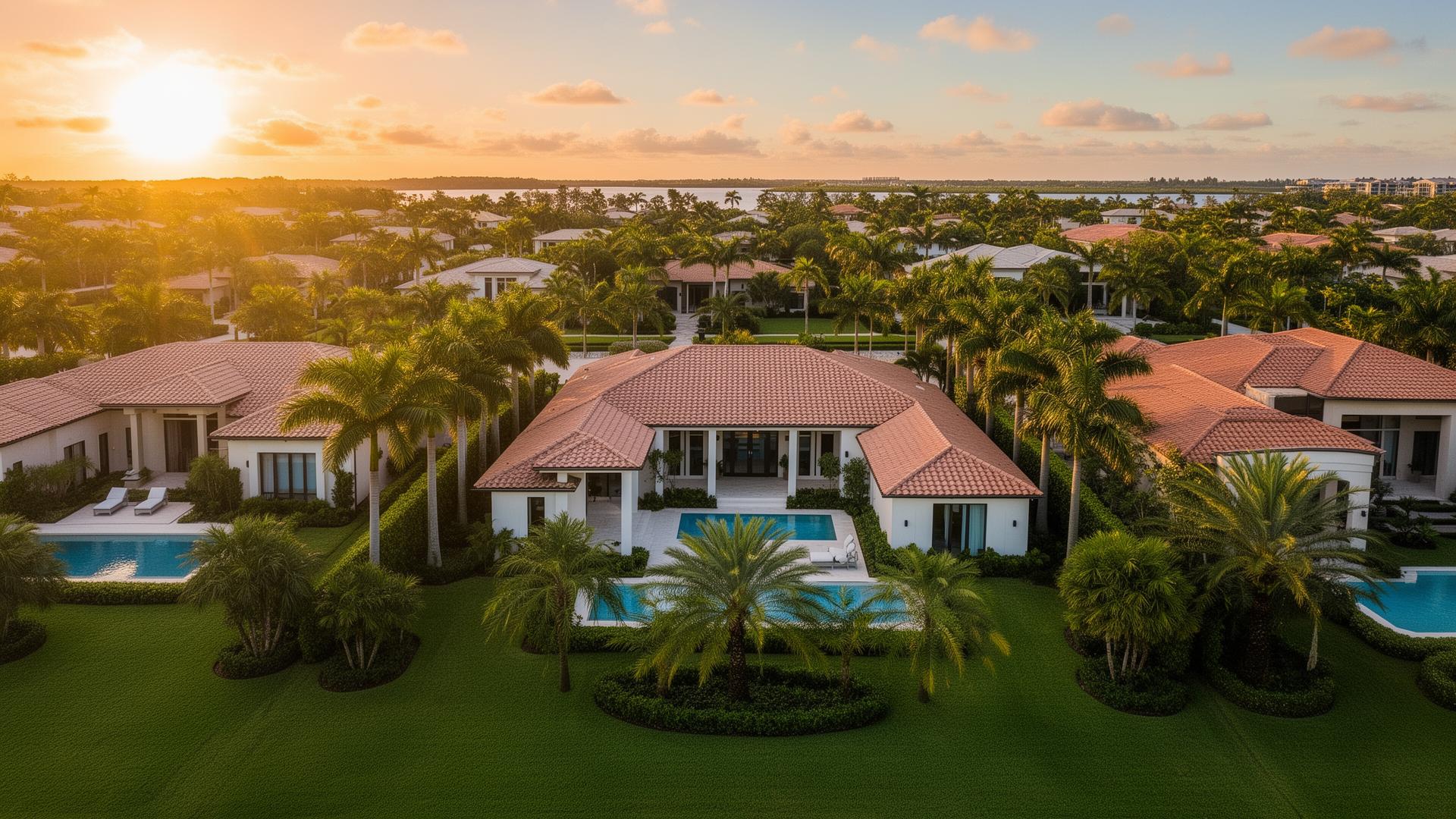
Miami's new construction market continues to expand in 2026, with new-build premiums above 300%. See how a Construction Loan Florida program helps builders win land, fund draws, and finish projects faster across Miami-Dade and the rest of South Florida.
Florida Market
Florida Hard Money Lenders Residential: Why Buyers Love Florida's Best Spots in 2026
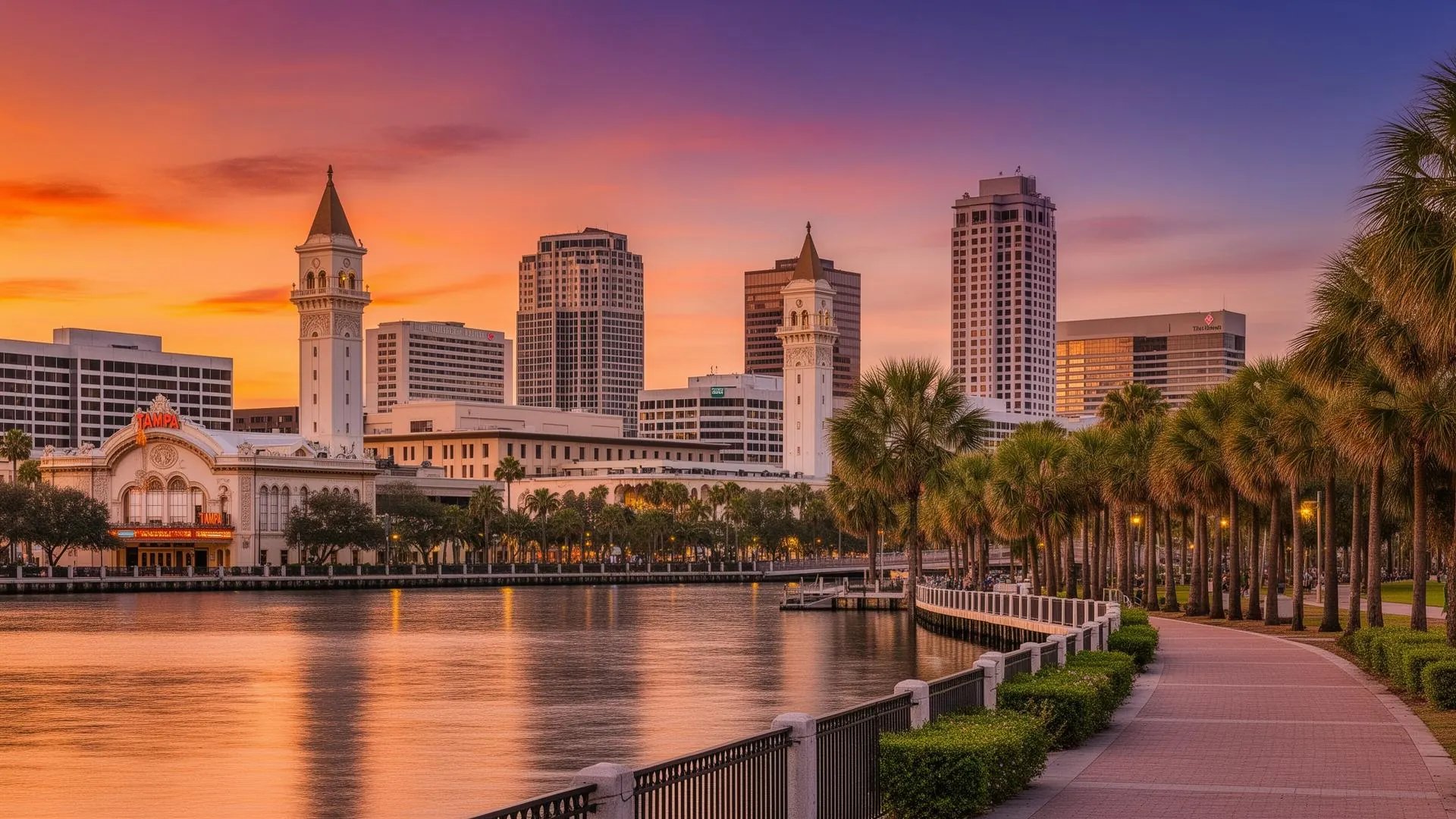
Florida's top cities are pulling in buyers and investors in 2026. See where opportunity is strongest. Orlando, Tampa, Jacksonville, Sarasota, Naples, and how Florida hard money lenders residential financing helps you move first.
Florida Market
Tampa Homes Under $400,000 in 2026: Where Buyers Are Still Finding Value in Tampa Bay
Tampa remains one of Florida's hottest real estate markets. See where buyers, investors, and property owners are still finding homes under $400,000 across Tampa Bay in 2026, plus the financing options that can help you move on them.
Florida Market
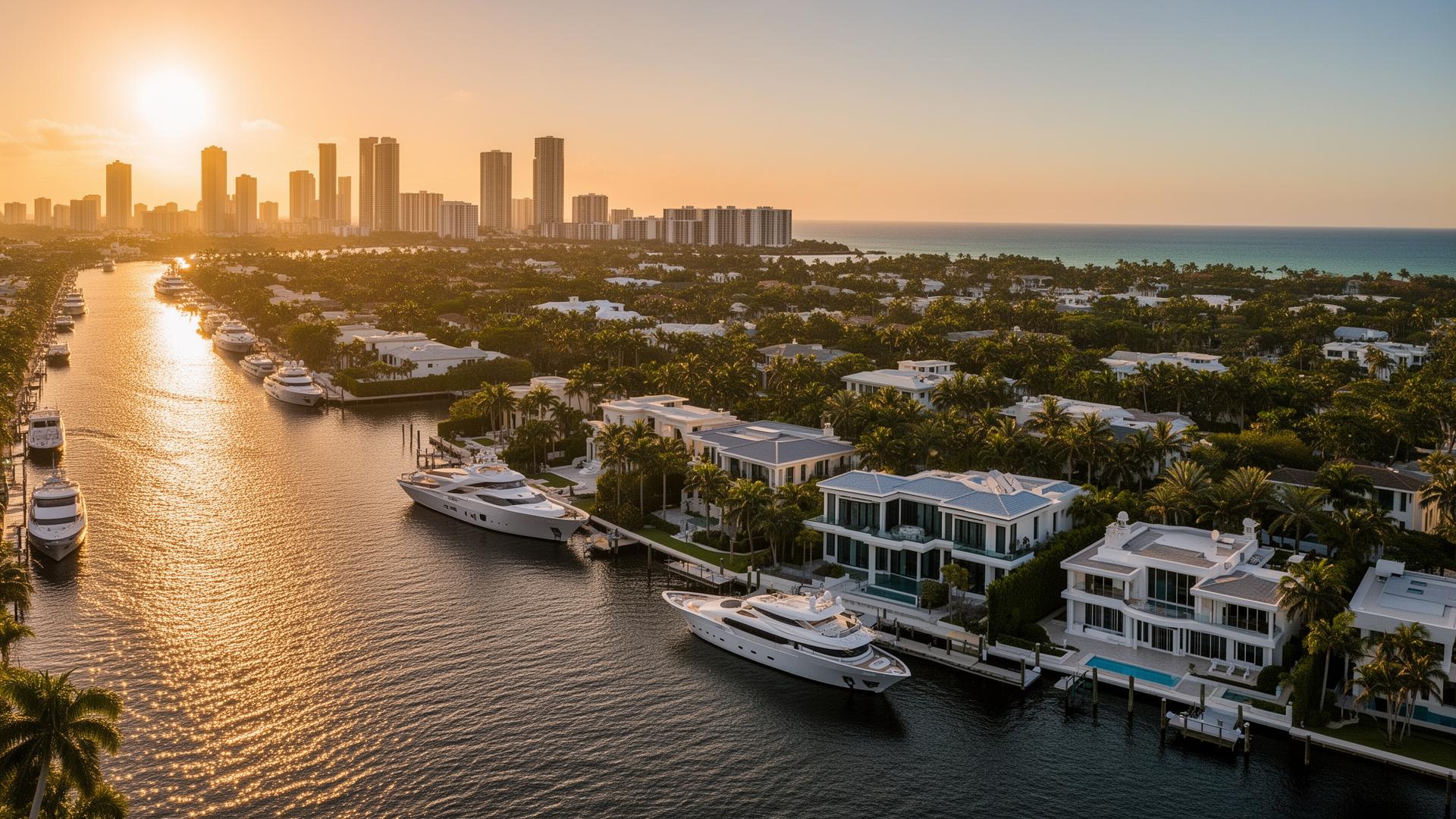
Fort Lauderdale Luxury Real Estate: Why Wealthy Buyers Are Leaving Miami in 2026
Fort Lauderdale luxury real estate is having a defining moment. High-net-worth buyers, family offices, and investors are leaving Miami for deep-water dockage, new luxury developments, and stronger relative value north of the county line.
Florida Market
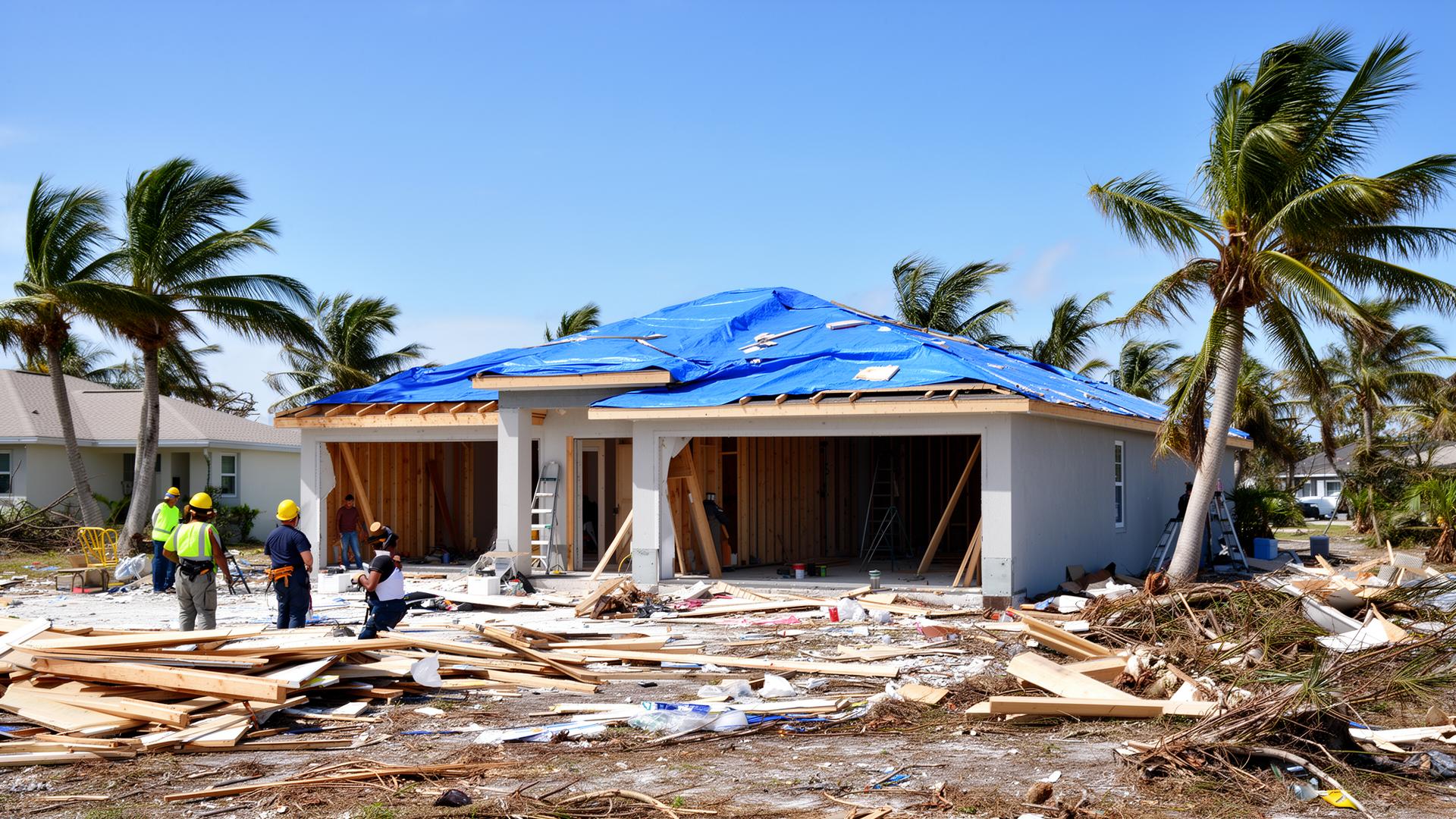
How Florida's 2024 Hurricanes Are Creating New Real Estate Investment Opportunities Across Tampa Bay
Hurricanes Helene and Milton reshaped Tampa Bay real estate. Here is how investors, builders, and owners are using bridge loans, construction financing, vacant land financing, and second mortgages to act on the rebuild.
Florida Real Estate Market
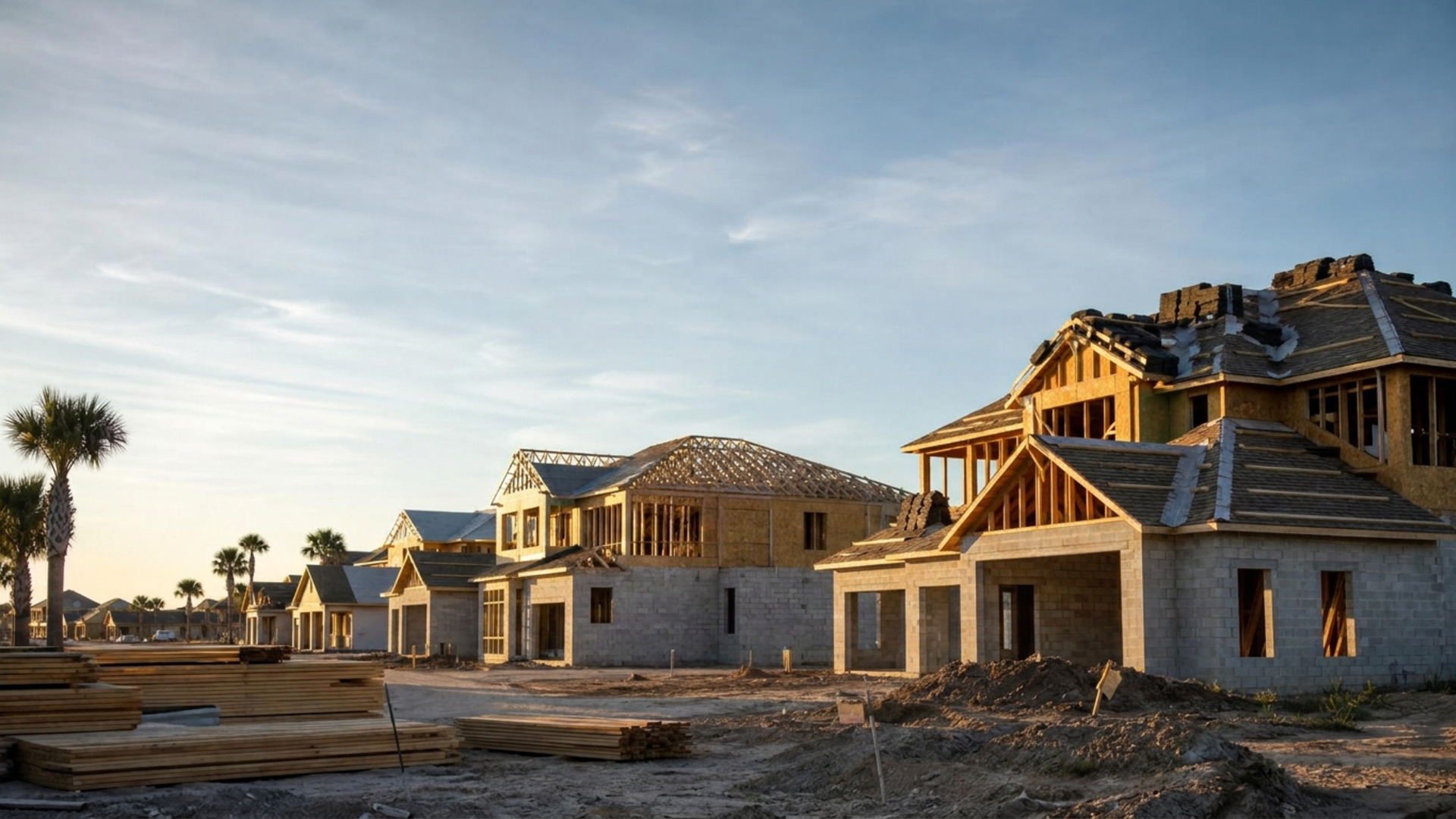
Florida Housing Construction Trends 2026: What Fewer Building Permits Mean for Real Estate Investors
Florida building permits have slowed in 2026. Here's what fewer new construction starts mean for investors, plus the loan programs that help you move faster than traditional banks.