Florida Market
Why Orlando's Growth Is Creating New Opportunities for Private Lending in Central Florida
Published By Luminary Private Lending
- Author:
- Ivan Padilla
- Reviewed By:
- Kevin Mazzola
- Published:
- June 8, 2026
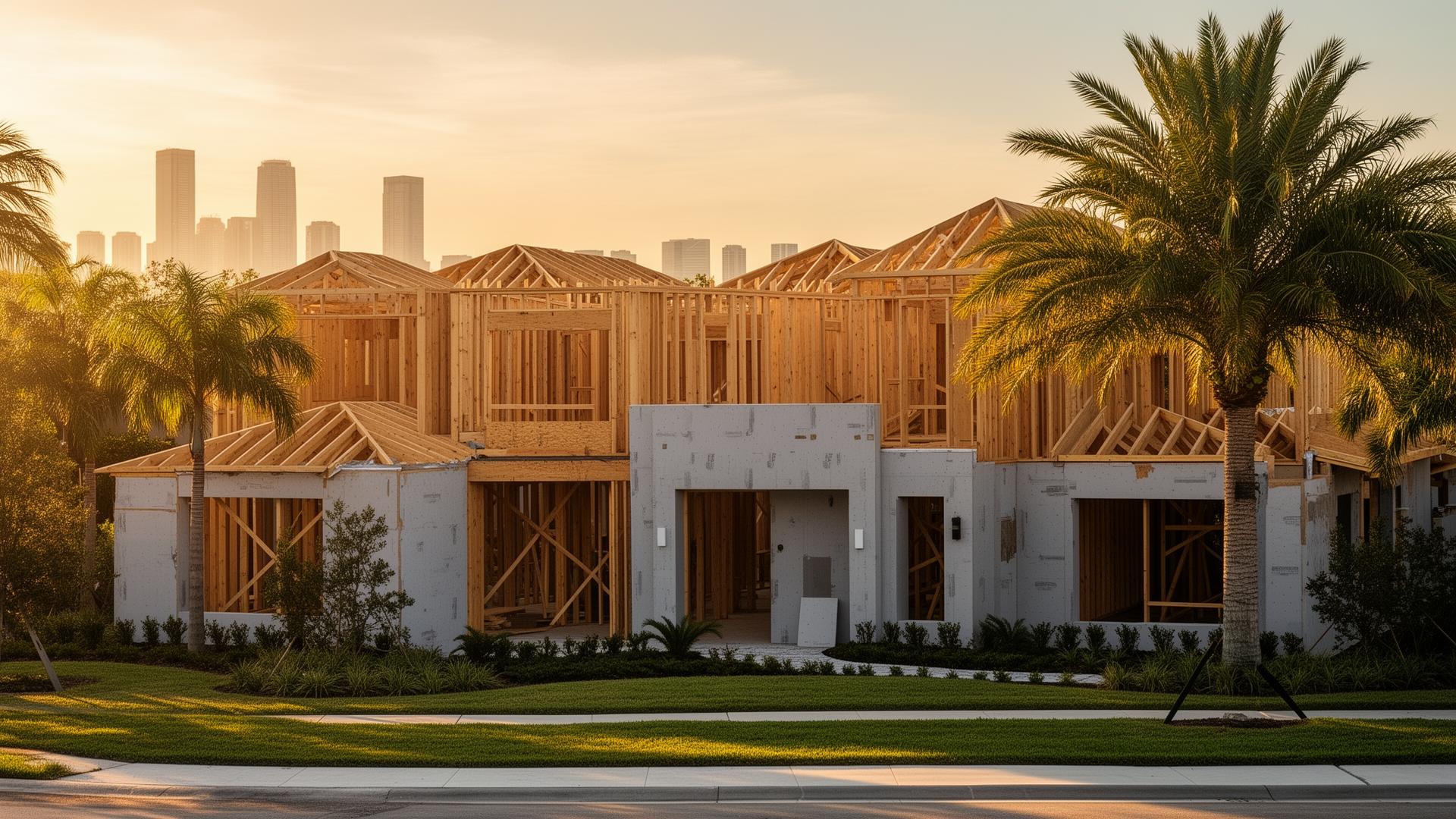
Orlando is attracting more high-net-worth buyers, investors, and developers than ever. Here's why private lending has become the go-to financing tool across Central Florida in 2026.
Quick answer: Orlando private lending is the fastest financing tool for investors, builders, and developers competing for Central Florida deals in 2026. As population, business, and luxury-home growth accelerate across Orange, Osceola, Seminole, and Lake counties, asset-based bridge, construction, vacant land, and second-mortgage loans close in 7–14 days, versus 40+ days at a traditional bank.
Need Capital This Week?
Talk to an Orlando private lender about a bridge, construction, land, or second-lien loan. Most deals close in 7–14 days.
Orlando Is No Longer Just a Tourism Market
For years, many people thought of Orlando as a tourism town. Today, the Orlando–Kissimmee–Sanford MSA is one of the most diverse and fastest-growing economies in the Southeast. According to the U.S. Census Bureau, Florida added more residents than any other state from 2022 to 2024, and a large share of that growth landed in Central Florida.
More residents means more housing demand. More demand means more deals for builders, developers, landlords, and real estate investors across Orange County, Osceola County, Seminole County, and Lake County.
Why Wealthy Buyers Are Choosing Orlando Over Miami and Naples
More value per dollar
The same budget that buys a single coastal condo in Miami or Naples can buy a larger luxury home, more land, or a small development site in Orlando. Per NAR research, Central Florida prices remain materially below South Florida's luxury tiers.
A diversified economy
Orlando's job market now spans healthcare (Lake Nona's Medical City), technology and simulation, aerospace, logistics along the I-4 corridor, and advanced manufacturing. The U.S. Bureau of Economic Analysis shows the Orlando MSA GDP topped $200 billion in 2023.
Florida tax advantages
Florida has no state income tax, which keeps after-tax returns higher for investors, business owners, and retirees.
Lower insurance costs
Per the Florida Office of Insurance Regulation (FLOIR), average homeowners premiums in inland Orange and Seminole counties run roughly half of coastal Collier and Miami-Dade, a big deal for ARV and DSCR math.
Orlando vs. Miami vs. Naples: 2026 Snapshot
| Metric | Orlando MSA | Miami MSA | Naples MSA |
|---|---|---|---|
| Median luxury price (top 10%) | ~$1.4M | ~$3.6M | ~$4.1M |
| Avg. homeowners insurance (FLOIR) | ~$3,900 | ~$6,800 | ~$9,200 |
| State income tax | 0% | 0% | 0% |
| Hurricane storm-surge exposure | Low (inland) | High (Atlantic) | Very high (Gulf) |
| Population growth 2023–2024 (Census) | +2.1% | +0.6% | +1.4% |
| Typical private bridge LTV | up to 70% | up to 65% | up to 60% |
Figures are directional 2024–2025 estimates from Census, FLOIR, NAR, and Florida Realtors.
What This Growth Means for Real Estate Investors
Rental properties
As more residents arrive, demand for rental housing keeps climbing across the Orlando MSA. DSCR rental investors are active in Lake Nona, Winter Garden, and Sanford.
Fix-and-flip projects
Investors continue chasing value-add opportunities throughout Orlando, Winter Park, Windermere, and Baldwin Park, often using hard money to close fast and stabilize.
Ground-up construction
Builders are developing custom luxury homes and infill projects in Celebration, Reunion, Clermont, and Mount Dora to meet HNW demand.
Land development
Vacant land remains a high-conviction asset across Lake County and Osceola County as municipalities approve new master plans.
Mid-Article CTA
Have a Central Florida deal in escrow? Get a same-day loan review from Luminary's Orlando private lending team.
Why Traditional Financing Struggles to Keep Up
Most great Central Florida deals do not wait 45–60 days. Traditional banks typically require:
- Extensive documentation
- Personal income verification
- Long underwriting timelines
- Strict debt-to-income ratios
For investors buying non-owner-occupied (NOO) properties, distressed assets, or active construction projects, those requirements often kill the deal. According to FHFA data, average bank purchase-loan timelines in 2024 still ran 40+ days, far longer than most Central Florida sellers will wait.
How Private Lending Works in Central Florida
Private lending focuses on the asset, the exit, and the sponsor, not just W-2 income. That is why investors use it for time-sensitive Orlando deals.
Orlando bridge loans
Bridge financing lets investors close in 7–14 days, stabilize a property, then refinance into long-term debt or sell.
Construction financing
Construction loans fund ground-up builds and major renovations across Central Florida, with draws structured to the build schedule.
Vacant land financing
Vacant land loans provide capital to acquire and hold developable parcels in growth corridors like Horizon West and Lake Nona South.
Second mortgage financing
Second mortgages let owners tap equity without disturbing a low-rate first mortgage, useful for portfolio investors and developers.
Example Scenario
An investor identifies a single-family property in Lake Nona valued at $750,000 ARV. It is under contract at $500,000. The seller wants a 10-day close. A traditional bank quotes 45 days. A private bridge lender funds in 9 days at 65% LTV on as-is value, the investor completes a 90-day rehab, then refinances into a long-term DSCR loan or lists the home. The deal closes because the capital matched the timeline.
Central Florida Submarkets to Watch
- Lake Nona, medical and tech corridor
- Winter Garden, fast-growing luxury and family market
- Winter Park, established premium submarket
- Windermere, gated luxury enclaves
- Baldwin Park, walkable urban-village product
- Celebration, master-planned community
- Reunion, luxury resort & vacation rentals
- Clermont, Lake County growth corridor
- Mount Dora, historic + redevelopment plays
- Sanford, Seminole County value-add
Talk to Luminary Private Lending
Speed wins this market. Call (321) 621-1280 or talk to our team to walk a Central Florida scenario. Explore our Florida private lending hub, review our full loan programs, or apply today.
Frequently Asked Questions
See the dedicated FAQ section below for short, snippet-ready answers to the most common questions about Orlando investing, bridge loans, land financing, and Florida tax treatment.
Related Reading
- Osceola County Growth Update: 1,000 New Homes
- Will Florida End Property Taxes?
- Orlando Bridge Loans · Construction Financing · Vacant Land Loans
About the Author
Luminary Private Lending. Florida Investment Lending Team
Luminary Private Lending is a Florida-based private (asset-based) lender funding bridge, construction, vacant land, and second-lien loans for real estate investors across the Orlando MSA, Tampa Bay, South Florida, and the Space Coast. Our team has underwritten and funded hundreds of millions in Florida investment real estate. Visit About Luminary for credentials and team background.
Editorial review: This article was reviewed for factual accuracy by Luminary's underwriting team prior to publication. Statistics are cited from the U.S. Census Bureau, BEA, FHFA, NAR, and FLOIR.
Last updated: June 8, 2026.
Disclosure: This content is provided for informational purposes only and should not be considered legal, tax, financial, insurance, or lending advice. All statistics are directional market estimates from public sources and change frequently. Financing programs are subject to underwriting review, collateral evaluation, title review, and applicable requirements.
Related Florida Lending Resources
Keep Reading
Latest Insights
Keep exploring Florida private lending insights.
Florida Market
Florida Private Lending: Why Orlando's Tech Growth Is Creating Real Estate Investment Opportunities in 2026
Orlando's tech boom, Gen Z migration, and Central Florida growth corridors are creating real opportunities for investors. See how Florida private lending, bridge, construction, land, and second-mortgage programs, helps close deals faster in 2026.
Florida Market
How Florida's 2024 Hurricanes Are Creating New Real Estate Investment Opportunities Across Tampa Bay
Hurricanes Helene and Milton reshaped Tampa Bay real estate. Here is how investors, builders, and owners are using bridge loans, construction financing, vacant land financing, and second mortgages to act on the rebuild.
Florida Market
Florida Housing Market Growth in 2026: Key Insights for Investors
Florida's 2026 housing market is opening one of the best buying windows in years. See investor stats, city outlooks, county growth, and how private lending closes deals fast.
Florida Market
Florida Bridge Loans: How Investors Are Winning More Deals With Private Capital in 2026
Florida bridge loans are helping investors, builders, and developers close faster in Orlando, Tampa, Miami, Jacksonville, and Fort Lauderdale. Charts, comparisons, and a real bridge-loan case study for 2026.
Florida Market
Construction Loan Florida: Miami's New Construction Market Offers Builders Opportunities in 2026
Miami's new construction market continues to expand in 2026, with new-build premiums above 300%. See how a Construction Loan Florida program helps builders win land, fund draws, and finish projects faster across Miami-Dade and the rest of South Florida.
Florida Market
Miami-Dade Development Boom Creates New Opportunities for Florida Real Estate Investors in 2026
Miami-Dade's 2026 development boom is creating fresh opportunities for Florida Real Estate Investors. See how Florida Hard Money Lenders Residential financing, bridge, construction, land, and second mortgages, helps investors move first in Miami, Hialeah, Doral, Kendall, Coral Gables, and Homestead.
Florida Market
Osceola County Growth Update: Impact of 1,000 New Homes on Florida Real Estate Investors
Osceola County is set to add approximately 1,000 new homes, here's what the expansion could mean for Florida investors, builders, landowners, and developers watching Central Florida.
Florida Market
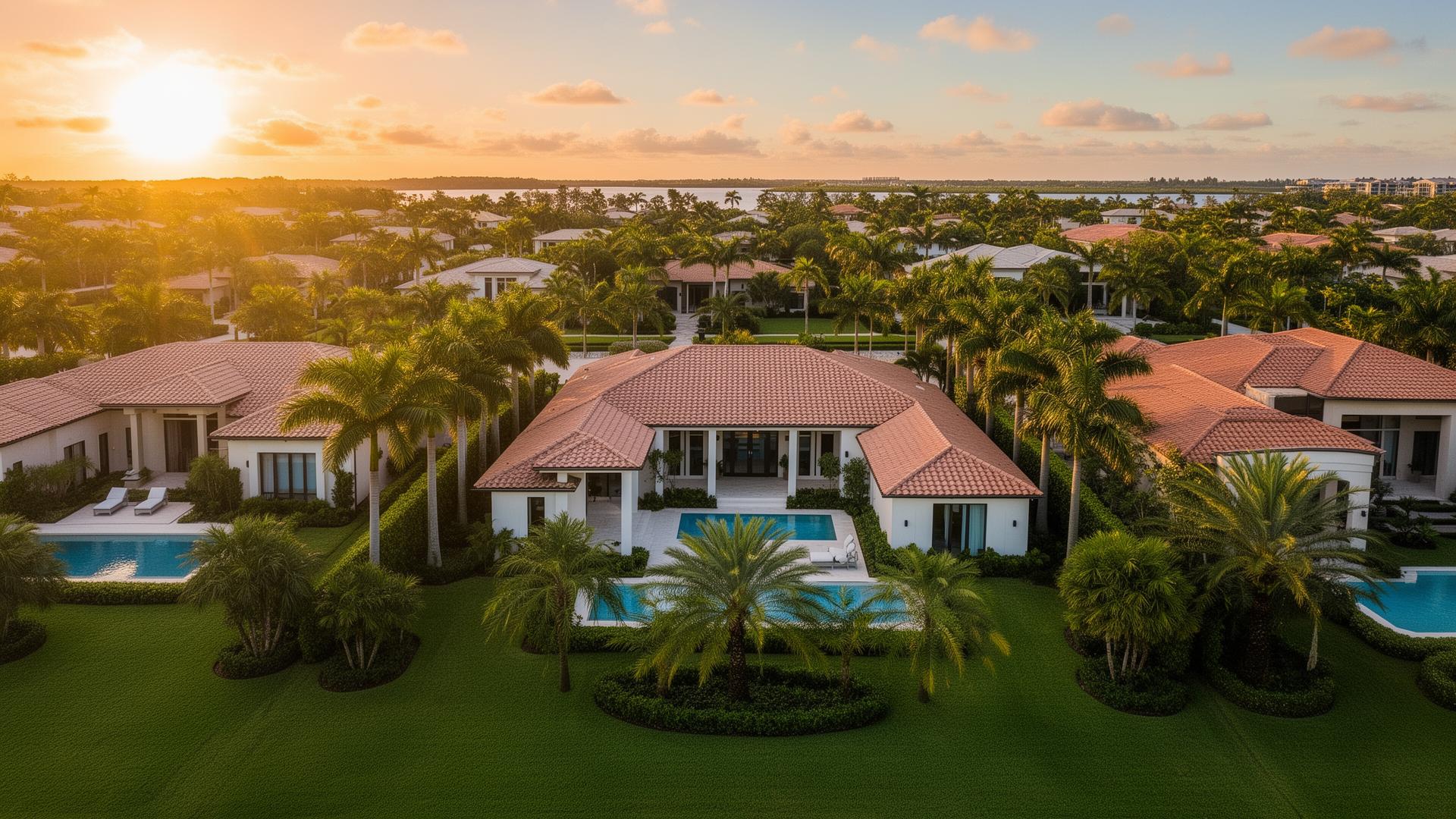
Florida Hard Money Lenders Residential: Why Buyers Love Florida's Best Spots in 2026
Florida's top cities are pulling in buyers and investors in 2026. See where opportunity is strongest. Orlando, Tampa, Jacksonville, Sarasota, Naples, and how Florida hard money lenders residential financing helps you move first.
Florida Market
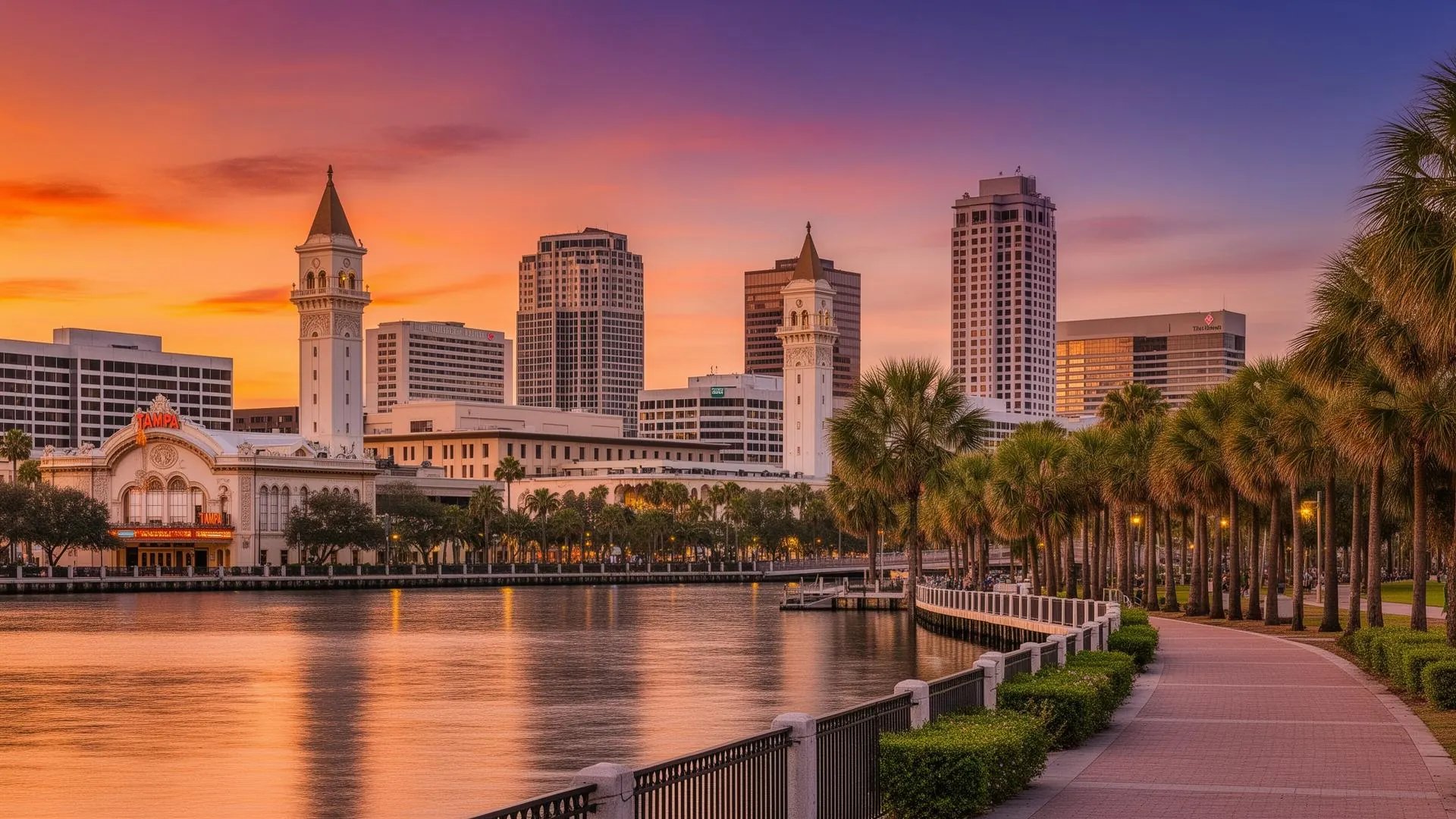
Tampa Homes Under $400,000 in 2026: Where Buyers Are Still Finding Value in Tampa Bay
Tampa remains one of Florida's hottest real estate markets. See where buyers, investors, and property owners are still finding homes under $400,000 across Tampa Bay in 2026, plus the financing options that can help you move on them.
Florida Market
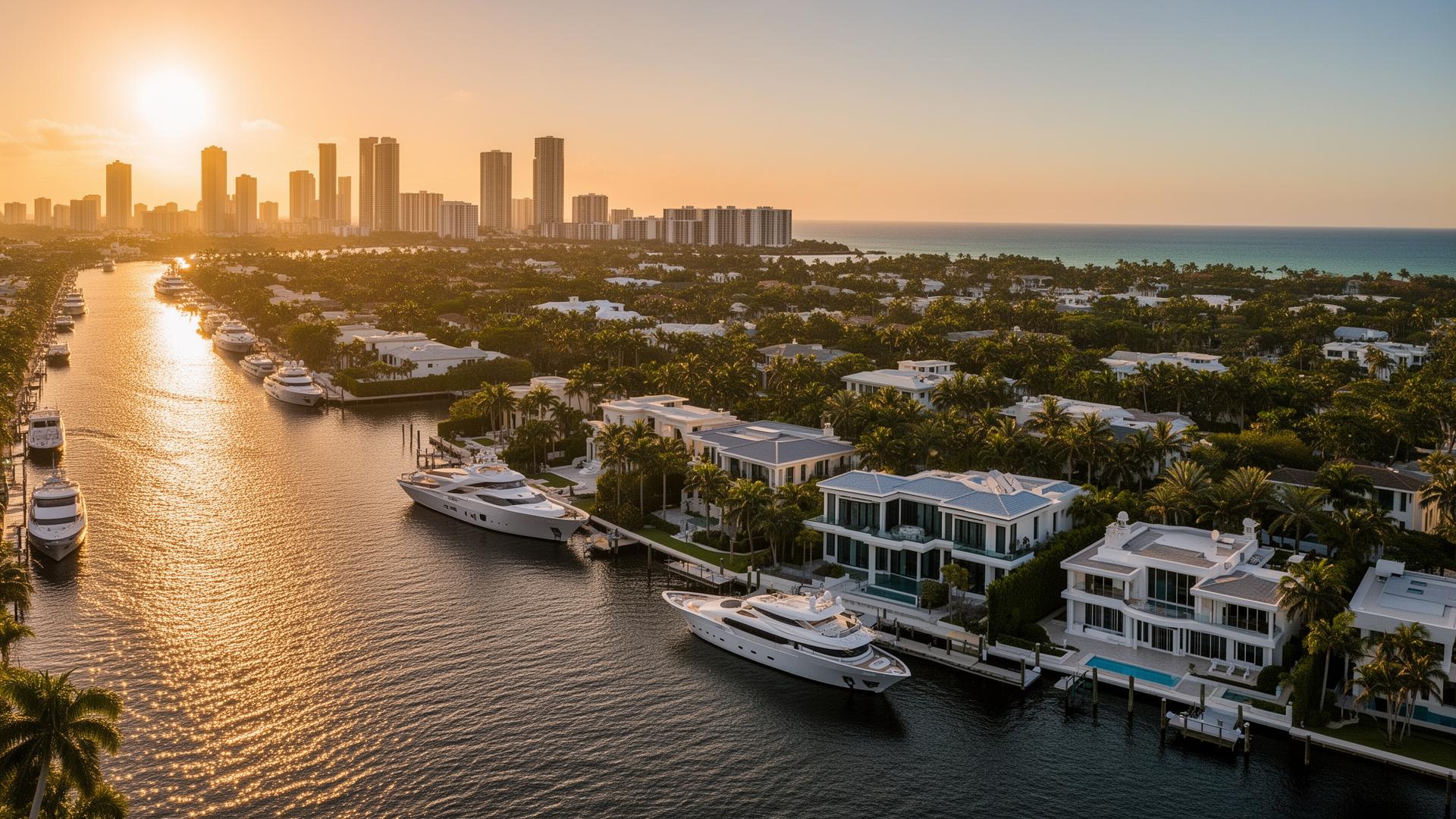
Fort Lauderdale Luxury Real Estate: Why Wealthy Buyers Are Leaving Miami in 2026
Fort Lauderdale luxury real estate is having a defining moment. High-net-worth buyers, family offices, and investors are leaving Miami for deep-water dockage, new luxury developments, and stronger relative value north of the county line.
Florida Market
Will Florida End Property Taxes? What Real Estate Investors Need to Know
Florida is debating major property tax changes. Here's a factual, investor-focused breakdown of how the system works today, what reform could mean for cash flow and values, and what to do right now.
Commercial Real Estate
Florida Commercial Real Estate Market 2026: Why Investors Prefer Private Lending
Higher rates, tighter bank underwriting, and rising insurance costs are reshaping Florida's commercial real estate market in 2026. See the sectors, regions, and private lending strategies investors are using now.