Investor Education
Transactional Funding for Florida Wholesalers: How Double Closings Work
Published By Luminary Private Lending
- Author:
- Ivan Padilla
- Reviewed By:
- Kevin Mazzola
- Published:
- November 17, 2026
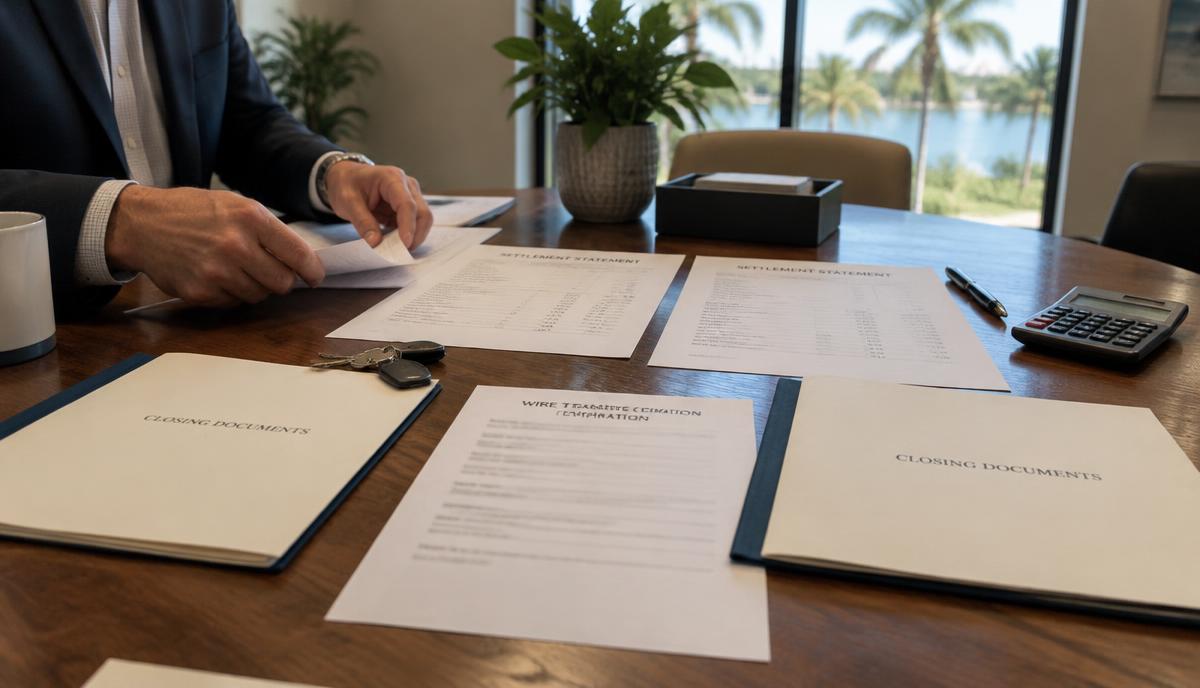
Transactional funding provides short-term purchase capital for wholesalers completing a double closing. Here is how the A-to-B and B-to-C closings work, a hypothetical example, and what to prepare.
You've found a property, set a purchase price and signed an end buyer. Now you need to fund your purchase before reselling it. Luminary Private Lending now offers Florida wholesalers a resource for transactional funding: short-term capital for eligible double-close transactions, reviewed deal by deal.
Quick Answer
Transactional funding provides short-term purchase capital for real estate wholesalers completing a double closing. The wholesaler purchases the property, resells it to an end buyer, and uses the resale proceeds to repay the funding. It may fit wholesalers with a documented purchase, a contracted resale and coordinated closing arrangements.
Key takeaways
- A double closing is two separate sales, each with its own settlement statement.
- The end buyer's resale is the planned repayment source, so a ready end buyer matters most.
- The gross price difference is not profit; funding, title, tax and closing costs reduce it.
- If the resale fails, you still owe the funding under the signed documents.
- Terms such as amount, charges and repayment deadline are set per transaction after review.
All dollar examples in this guide are hypothetical illustrations. They do not represent Luminary pricing, terms or commitments.
What is transactional funding?
Transactional funding is a short-term loan used to buy a property that will be resold almost immediately. In a typical double closing, the funding covers the wholesaler's purchase, and the resale proceeds repay the funding provider. In the market, these transactions commonly close on the same day, but the funding period, closing requirements and repayment terms vary by provider and deal.
Wholesalers use transactional funding to cover an approved property purchase without supplying the entire purchase price from their own funds, based on the approved funding structure.
How does a wholesale double closing work?
A double closing involves two separate sales. The wholesaler buys the property in the first transaction (A to B) and sells it in the second (B to C). Each closing has its own settlement statement, and the closing agent coordinates the documents and funds.
| Transaction | Seller | Buyer | What happens |
|---|---|---|---|
| A-to-B purchase | Original property owner | Wholesaler | The wholesaler buys the property, using transactional funding if approved. |
| B-to-C resale | Wholesaler | End buyer | The wholesaler sells the property; resale proceeds repay the funding and charges. |
Transactional funding covers the first purchase. Because the resale funds are the source of repayment, the end buyer and the closing arrangements are central to the deal.
Example: from purchase contract to completed resale
Consider this hypothetical Florida wholesale transaction:
| Item | Illustrative amount |
|---|---|
| Purchase price from the original seller | $180,000 |
| Resale price to the end buyer | $205,000 |
| Gross price difference | $25,000 |
| Assumed combined expenses (funding charge, title, closing, documentary stamp tax) | $7,000 |
| Illustrative proceeds before taxes and other business expenses | $18,000 |
The wholesaler needs funds to complete the $180,000 purchase. If approved, the funding provider sends funds to the closing agent. The wholesaler then resells the property for $205,000, and the closing agent follows the settlement instructions, which include repaying the funding and its charges.
The $7,000 expense figure is an assumption for illustration and includes a funding charge, title and settlement fees and Florida documentary stamp tax on deeds. The $18,000 result is illustrative proceeds before taxes and other business expenses, not net profit.
What if something goes wrong?
Now assume the title search finds an old unreleased lien that costs $4,500 to clear, and the end buyer's lender pushes the resale back a few days, triggering an assumed $2,500 extension charge. The illustrative proceeds fall from $18,000 to $11,000. A spread that looks comfortable on paper can shrink quickly; build a cushion before you commit.
Transactional funding vs. assigning a contract
With an assignment, the wholesaler transfers purchase rights to another buyer as the contract allows. In a double closing, the wholesaler buys the property first and then sells it in a separate deal, and transactional funding can supply the capital for that purchase. Some wholesalers prefer a double closing when the contract cannot be assigned, but resale restrictions still need to be reviewed.
| Question | Assignment | Double closing |
|---|---|---|
| Does the wholesaler purchase the property? | No; usually the end buyer purchases through the assigned rights. | Yes, before reselling it. |
| How is the wholesaler paid? | Through an agreed assignment fee. | Through the resale spread after expenses. |
| Is acquisition funding needed? | Often unnecessary for the assigned purchase. | May be needed for the first closing. |
| What needs early review? | Assignment rights and disclosures. | Both contracts, funding arrangements, title and resale conditions. |
A double closing does not remove disclosure obligations. Florida regulates who may act for others in real estate transactions for compensation (Florida Statutes Chapter 475 definitions). Ask the closing agent or a Florida real estate attorney to review the proposed structure before you rely on it.
When can transactional funding make sense?
Transactional funding may fit wholesalers with a documented purchase, a contracted resale and coordinated closing arrangements. It is especially relevant when the wholesaler plans to take title and needs short-term capital to do so. Before proceeding, answer three questions:
- Is the end buyer ready to purchase? A signed resale contract is essential, and you need to know whether the end buyer's funds will be available on time. An interested buyer and a ready buyer are different.
- Can the closing agent handle both transactions? Discuss the double closing with the title company or attorney early and confirm the sequence, funding needs, documents and deadlines. Title companies may have their own requirements for funding each purchase; don't assume the end buyer's money will automatically fund yours.
- Does the spread cover the total cost? Request estimated settlement figures for both transactions, including proposed funding charges and expected business costs. A higher resale price doesn't guarantee a worthwhile deal if expenses consume the margin.
How Luminary can help Florida wholesalers
Luminary Private Lending focuses on business-purpose financing secured by non-owner-occupied real estate in Florida (about Luminary). If you have a property under contract and an end buyer lined up, Luminary can review your transaction and discuss whether transactional funding fits it. The conversation starts with your deal:
- What property are you purchasing?
- What is your contracted purchase price?
- What is the end buyer's contracted price?
- When are both transactions scheduled to close?
- Who is handling title and settlement?
- How will the end buyer fund the purchase?
Before committing to a closing schedule, request transaction-specific terms in writing that set the approved funding amount, outline the charges, specify the repayment deadline, detail any borrower contribution and define the closing conditions. Learn how a term sheet differs from a loan commitment. All financing is subject to review and closing conditions; this article does not state Luminary's funding limits, fees or holding periods, which are confirmed per transaction.
What should you prepare before contacting Luminary?
| Information or document | Why it helps |
|---|---|
| Property address | Identifies the property being purchased and resold. |
| Signed A-to-B purchase contract | Shows your terms with the original seller. |
| Signed B-to-C resale contract | Details the planned resale and repayment source. |
| Requested funding amount | Defines the capital needed for the first closing. |
| Scheduled closing dates | Establishes the proposed timing. |
| Title company or attorney contact | Allows coordination with the settlement team. |
| End buyer's funding details | Explains how the resale will close. |
| Purchasing entity information | Identifies the proposed borrower and buyer. |
| Available settlement estimates | Helps evaluate expenses and remaining spread. |
This is a preparation checklist. Luminary will confirm the documents needed for your specific request.
What happens if the end buyer does not close?
If your purchase closes and the resale fails, the planned repayment source disappears, but your obligation under the signed funding documents remains. Before closing, understand:
- When repayment is due.
- What happens if the resale is delayed.
- Whether an extension is available.
- What additional charges may apply.
- What obligations you or your entity are accepting, including any personal guarantee.
Don't assume a short-term funding arrangement turns into a long-term loan.
Is transactional funding the same as a bridge loan?
Transactional funding and bridge loans serve different holding periods and repayment plans. Transactional funding supports a purchase tied to an immediate resale. A bridge loan typically covers the period from purchase until you sell or refinance. If you plan to hold, renovate or find a buyer later, say so from the start; the financing should match how long you expect to own the property. See Florida bridge financing.
Frequently asked questions
Can transactional funding help me complete a double closing?
Transactional funding can help a wholesaler complete a double closing by providing temporary capital for the A-to-B purchase, repaid from the B-to-C resale proceeds. Approval, amount and closing conditions depend on the funding provider's review of the specific deal.
Do I need an end buyer before requesting transactional funding?
A typical transactional funding request needs a signed resale contract with an end buyer, because the resale is the planned repayment source. Be ready to explain how the end buyer is funding the purchase, such as cash or a confirmed loan.
How much does transactional funding cost?
Transactional funding costs vary by provider and deal, and usually include a funding charge plus title, closing and possibly extension costs. Ask for transaction-specific terms in writing and compare them against both settlement statements before committing.
Can both closings happen on the same day?
Both closings of a double close often happen on the same day, but the timing depends on the closing agent, the end buyer's funds and the funding provider's conditions. Confirm the sequence and deadlines with the title company before scheduling.
Does the title company have to approve a double closing?
The title company or closing attorney must agree to handle both transactions and may set its own requirements for how the first purchase is funded. Talk with the settlement team early, before you set closing dates.
Will I need to bring my own cash to a double closing?
A wholesaler may need cash for deposits, closing costs or a borrower contribution, depending on the approved funding structure. Ask the funding provider and closing agent for an estimate of your cash needed before you commit.
What happens if the end buyer does not close?
If the end buyer does not close, the wholesaler still owes the transactional funding under the signed documents, including the repayment deadline and any default or extension charges. Read those terms before your purchase closes.
Is transactional funding the same as a bridge loan?
Transactional funding and bridge loans serve different holding periods and repayment plans. Transactional funding supports a purchase tied to an immediate resale; a bridge loan covers a longer hold until a sale or refinance.
Have a Florida double close on the calendar?
Send Luminary your signed A-to-B and B-to-C contracts, closing dates and title contact. Contact Luminary Private Lending to discuss your transaction.
Sources and review
- Florida Department of Revenue: documentary stamp tax: tax on deeds and notes in Florida transactions.
- Florida Statutes § 475.01: definitions for real estate brokerage activity.
- Luminary: Florida bridge financing
Author: Ivan Padilla, Director of Growth and Real Estate Lending Specialist, part of the team at Luminary Private Lending. Reviewed by: Kevin Mazzola, Founder of Luminary Private Lending. This article has not been reviewed by an attorney. Published: November 17, 2026. Last reviewed: November 17, 2026.
This article is educational and is not legal, tax advice or a loan commitment. All financing is subject to underwriting, property review, title review and final approval.
Related Florida Lending Resources
Keep Reading
Latest Insights
Keep exploring Florida private lending insights.

Investor Education
What Does a Personal Guarantee Mean on an LLC Real Estate Loan in Florida?
A personal guarantee is an individual's agreement to cover specified obligations of an LLC borrower. Owning a Florida LLC does not alone make you liable for its debts, but signing a guarantee can. The signed terms set the scope.

Investor Education
What Does 125% Lender’s Title Insurance Mean? Florida Private Lending Guide
A 125% lender’s title insurance requirement means the policy amount equals 125% of the loan principal. It does not mean the borrower receives 25% more money or pays a 25% fee. On a $1,950,000 loan, 125% coverage equals $2,437,500; actual protection depends on the policy terms.
Investor Education
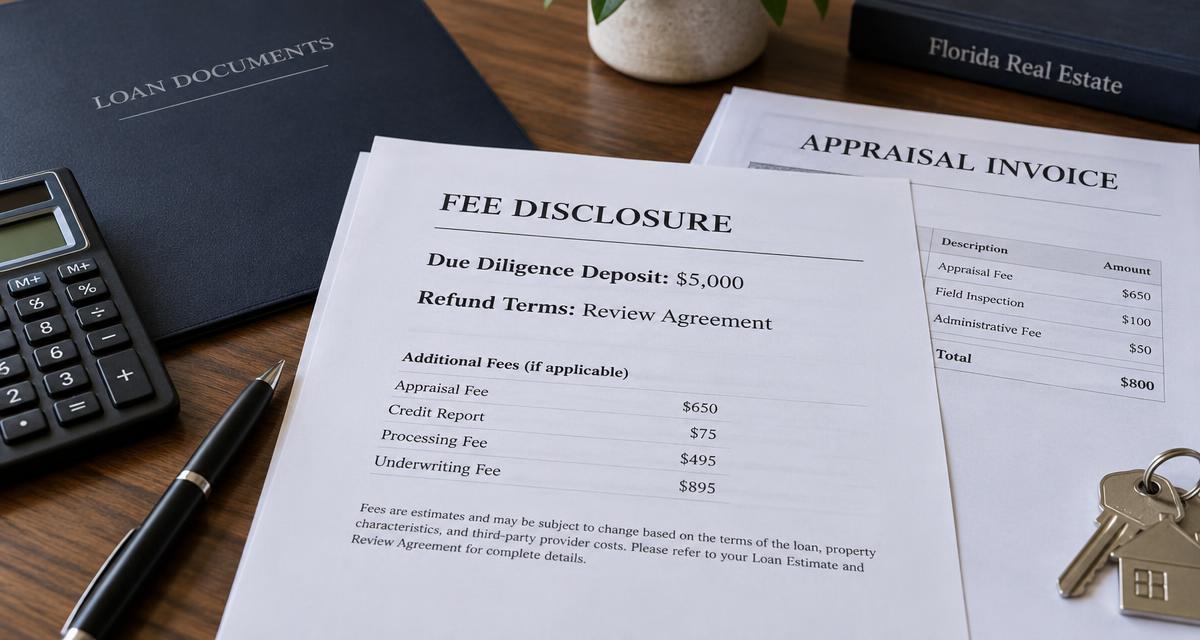
Upfront Due Diligence Deposits: How Florida Borrowers Can Avoid Costly Financing Mistakes
Know who receives your money, what work it covers and what happens if financing fails. A practical Florida guide to upfront deposits, written fee terms and independent verification.

Investor Education
Can You Get a Private Real Estate Loan Without Tax Returns in Florida?
Tax returns do not always reflect an investor's real financial strength. This Florida guide explains how asset-based private lenders evaluate property value, equity, loan-to-value, liquidity, use of funds and exit strategy instead of conventional income documentation.

Investor Education
Can a Newly Formed LLC Qualify for a Private Real Estate Loan in Florida?
A newly formed LLC may still qualify for private real estate financing in Florida. This guide explains what asset-based lenders review instead of operating history: property value, equity, liens, liquidity, the principals, documentation and the exit strategy.

Investor Education
Title Issues & Code Violations: Can They Get a Private Real Estate Loan Denied in Florida?
Strong equity and a supportive appraisal do not guarantee a closing. This Florida guide explains how title defects, recorded liens, municipal code liens, open permits and unpermitted work affect private lending, which issues are usually curable, what documentation to send up front, and why lien position matters as much as value.

Investor Education
Can an LLC Get a Real Estate Loan Without Personal Credit? A Florida Private Lending Guide
An LLC real estate loan without personal credit as the deciding factor is possible with asset-based private lenders. This Florida guide covers what lenders review instead, LTV math with worked scenarios, new-LLC and free-and-clear situations, the difference between a credit pull and a personal guarantee, and a borrower document checklist.
Investor Education
Can You Borrow Against a Free-and-Clear Property in Florida?
A 2026 guide to unlocking equity in Florida real estate you own free and clear: first lien position, LTV sizing tables, worked residential, commercial, multifamily, and land examples, plus a private loan vs. cash-out refinance vs. HELOC comparison.
Investor Education
What Is a Balloon Payment? A Complete Guide for Real Estate Investors in Florida
A balloon payment is a large final payment due at the end of a short term loan. Here is how balloon loans work, which programs use them, real Florida examples, the risks, and how investors plan an exit strategy before borrowing.

Investor Education
Term Sheet vs. Loan Commitment: What Has Actually Been Approved?
A term sheet lists proposed financing terms. A loan commitment generally states a lender's agreement to lend, subject to its conditions. Neither title alone confirms that underwriting is complete or funds are ready.

Investor Education
Purchase Price Higher Than the Listing? Here’s What Could Really Be Going On
A higher contract price can be legitimate, but a material unexplained difference deserves independent verification. This guide explains how lenders can reconcile the listing, contract, appraisal, title and closing figures.

Investor Education
How Unclear Payoff Statements and Property Liens Can Delay a Private Real Estate Loan Closing
An unclear payoff or an unresolved lien can stall a Florida private loan even when the property has equity. This guide explains payoff statements, lien types, combined loan to value on second mortgages, paying liens at closing and how to prevent delays.