Florida Real Estate Market
Central Florida Real Estate Market 2026: Is Now the Right Time to Buy Investment Property?
Published By Luminary Private Lending
- Author:
- Ivan Padilla
- Reviewed By:
- Kevin Mazzola
- Published:
- July 13, 2026
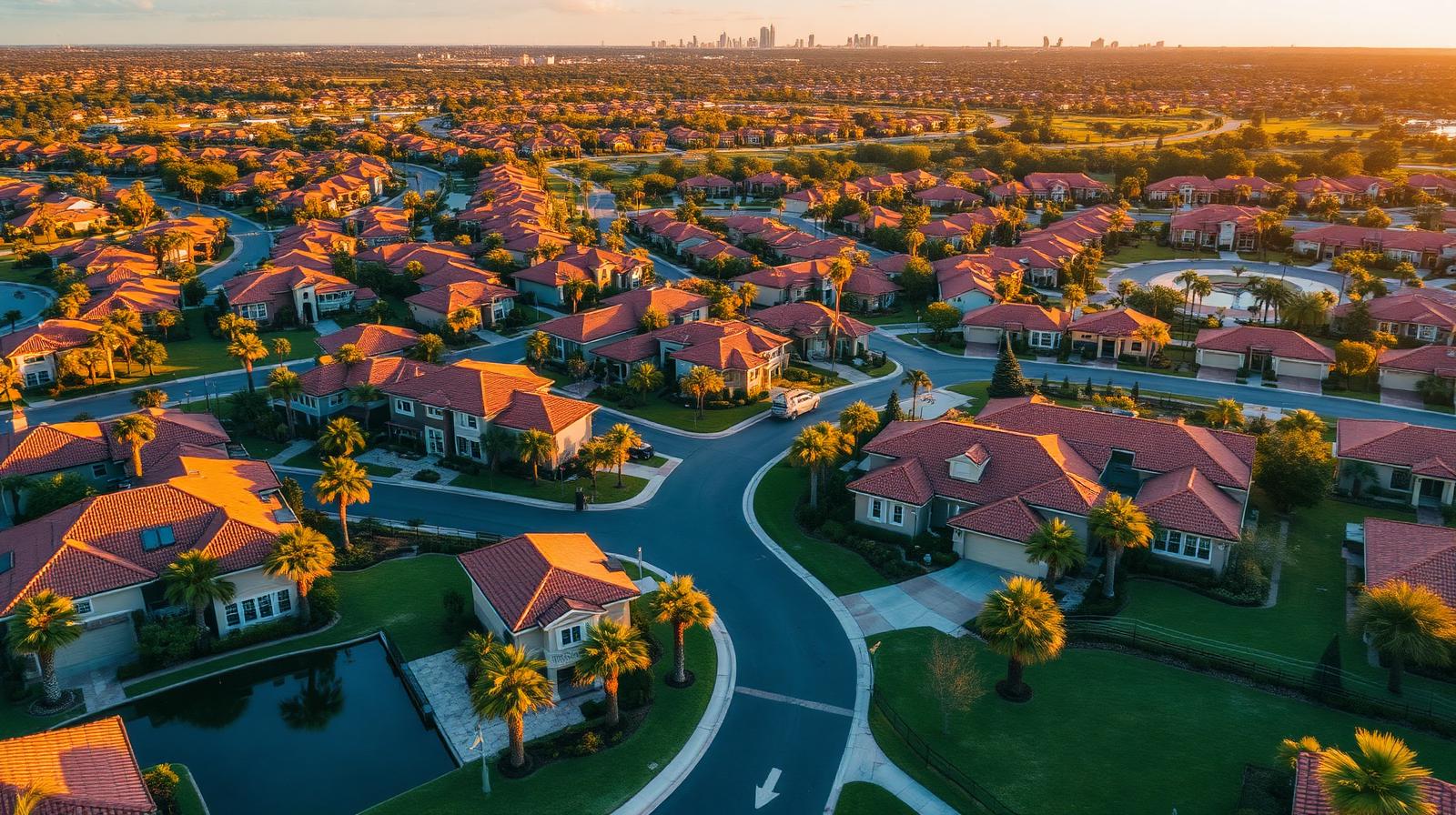
Central Florida inventory is rising, negotiations are more balanced, and investors have new opportunities in 2026, here's what's changing and how to finance your next deal.
If you're thinking about investing in Florida real estate, 2026 might be the best year yet. Many Central Florida markets are stabilizing, inventory is up, listings sit longer, and there's more room to negotiate than during the peak sellers' market.
2026 Central Florida Market Snapshot
| Indicator | 2026 Reading |
|---|---|
| Inventory Trend | ↑ Increasing |
| Buyer Competition | Moderate |
| Negotiation Power | Improving for Buyers |
| Days on Market | Higher than 2024 |
| Price Growth | Cooling / Stabilizing |
| Best Opportunity | Investment Properties |
| Investor Sentiment | Positive |
Who This Guide Is For
This guide is designed for:
- Real estate investors evaluating Central Florida in 2026
- House flippers looking for value-add opportunities
- Rental property investors targeting Orlando-area growth
- Builders and developers planning ground-up projects
- Land investors acquiring for future development
- Commercial investors watching mixed-use and small-bay demand
What Is Happening in Central Florida's Real Estate Market?
Housing inventory has recently increased in many Central Florida areas. Demand remains strong, but buyers have more choices than at any point in the past three years. According to Florida Realtors and local associations such as the Orlando Regional REALTOR® Association, months of supply across most Central Florida counties has moved closer to a balanced range, listing times have lengthened, and price growth has cooled compared to the 2021–2022 surge.
Here are the trends investors are noticing in 2026:
- More homes are actively listed for sale
- Properties are staying on the market longer
- Sellers are more open to negotiation and concessions
- Fewer bidding wars in many neighborhoods
- Price growth is slowing compared to previous years
This does not mean home values are plummeting. The market is shifting toward a healthier balance between buyers and sellers, which gives investors more time to review deals before making an offer.
How We Got Here. A Central Florida Market Timeline
| Year | Market Condition |
|---|---|
| 2021 | Seller's Market |
| 2022 | Record Competition |
| 2023 | Interest Rates Rise |
| 2024 | Inventory Improves |
| 2025 | Market Stabilizes |
| 2026 | Balanced Market |
Seller's Market vs. Balanced Market
| Seller's Market | Balanced Market |
|---|---|
| Multiple offers on most listings | More room to negotiate |
| Homes sell in days | Longer listing times |
| Little room for concessions | Sellers may offer credits and repairs |
| Higher competition | More buyer choices |
| Inspections often waived | More time for due diligence |
Why More Inventory Can Benefit Real Estate Investors
Better Negotiating Power
When there are more homes for sale, sellers may be more willing to negotiate on purchase price, closing costs, inspection repairs, closing timeline, and seller concessions. These savings can directly boost an investment's return.
More Investment Opportunities
More inventory means investors have a wider selection of properties. There's no need to grab the first option, compare choices and pick deals that fit your strategy.
Less Pressure to Waive Due Diligence
In tough markets, buyers often skip inspections or shorten contingency periods. A balanced market allows investors more time to review property condition, estimated renovation costs, comparable sales, rental income potential, and exit strategy. Informed decisions lead to better long-term outcomes.
5 Common Mistakes Investors Make in a Balanced Market
- Waiting for prices to crash. Balanced does not mean falling, investors who wait indefinitely often miss well-priced deals.
- Ignoring carrying costs. Insurance, taxes, utilities, and interest add up during renovation and lease-up periods.
- Overestimating renovation budgets, or underestimating them. Get real contractor quotes before committing.
- Buying without an exit strategy. Every deal should have a defined path: sell, refinance, hold, or develop.
- Choosing financing too late. Sellers respond to buyers with lender letters in hand, line up capital first.
Market Indicators to Watch in Central Florida
- Interest rates and lender appetite
- Active inventory levels by county
- Median days on market
- Population growth and net migration
- Job creation and employer expansions
- Building permits and new construction starts
- Rental vacancy rates and asking rents
- Homeowners insurance premiums and availability
What Challenges Still Exist?
Investing in Florida real estate still comes with challenges. Common obstacles include:
- Mortgage interest rates that are higher than historical lows
- Insurance premiums that have risen in coastal and inland areas
- Property taxes that vary by county
- Construction and renovation costs that remain elevated
Successful investors plan for these costs before buying. Running realistic numbers and maintaining a clear exit strategy are essential.
Why Speed Still Matters
Even in a balanced market, attractive investment properties often draw multiple offers. This is especially true for distressed properties, foreclosures, value-add opportunities, commercial properties, and homes near growing employment centers. Investors who can close fast, and prove it with a lender letter, have a real edge over buyers relying on slow financing.
How Private Lending Can Help Investors Move Faster
Traditional financing is great for owner-occupied homes; investment properties usually need faster decisions. Private lending helps qualified investors buy or refinance properties and supports their long-term exit strategy.
Bridge Loans
Bridge loans provide quick funding for investors who are buying or refinancing while they prepare to sell or secure long-term financing. Commonly used for fix-and-flip projects, auction purchases, distressed properties, and time-sensitive acquisitions.
Construction Financing
Investors building new residential or commercial properties can benefit from construction financing structured around their build schedule and draws.
Vacant Land Financing
Buying land for future development often requires different structures than traditional mortgages. Vacant land financing helps investors acquire residential lots, development sites, or commercial land.
Second Mortgages for Investment Purposes
Some investors use equity from qualifying properties through a business-purpose second mortgage to fund additional real estate or business investments, with a clear exit strategy.
Match Your Investment Goal to the Right Loan
| Investment Goal | Recommended Loan |
|---|---|
| Fix & Flip | Bridge Loan |
| Ground-Up Build | Construction Loan |
| Buy Vacant Land | Vacant Land Financing |
| Unlock Equity | Second Mortgage |
Why Investors Choose Private Lending
- Faster closings than traditional bank timelines
- Flexible underwriting focused on the deal, not just the borrower
- Asset-focused approach centered on property value and exit
- Investment-property expertise across Central Florida submarkets
- Short-term financing solutions that match rehab and stabilization plans
- Customized loan structures for LLCs, foreign nationals, and business-purpose deals
Signs a Property May Be a Good Investment
Look for properties that have:
- Below-market pricing supported by comparable sales
- Cosmetic or moderate repair needs, not major structural issues
- Strong rental demand in the surrounding submarket
- Good neighborhood fundamentals: schools, employers, access
- Positive cash flow potential after realistic expenses
- A clear resale opportunity or long-term hold rationale
Before You Make an Offer. Investment Property Checklist
- ☐ Determine your maximum budget
- ☐ Estimate repair costs from real contractor quotes
- ☐ Review comparable sales in the last 90 days
- ☐ Calculate expected rental income and vacancy
- ☐ Confirm your financing and required down payment
- ☐ Plan your exit strategy (and a backup)
- ☐ Review insurance costs and availability
- ☐ Estimate holding expenses: taxes, utilities, interest, HOA
Choosing an Exit Strategy
Your exit strategy shapes the entire deal, from loan structure to renovation scope. Common Central Florida exits include:
- Sell after renovation, classic fix-and-flip, typically 4–9 months
- Refinance into a long-term loan, BRRRR-style holds after stabilization
- Hold as a rental, long-term or mid-term rental income
- Develop vacant land, build-to-sell or build-to-rent
- Sell to another investor, wholesale, land assemblage, or portfolio sale
Real-World Investor Scenarios
Illustrative examples based on common Central Florida financing patterns. No client information disclosed.
Scenario 1. Orlando Fix & Flip
Situation: An investor purchases a distressed Orlando home needing renovation.
Goal: Flip within 9 months.
Financing: Bridge Loan.
Exit: Sell after renovations.
Scenario 2. Osceola County Ground-Up
Situation: Builder purchases vacant land in Osceola County.
Goal: Construct four single-family homes.
Financing: Construction Loan.
Exit: Sell completed homes.
Scenario 3. Seminole County Cash-Out
Situation: Investor holds a stabilized rental with significant equity.
Goal: Redeploy equity into a second acquisition.
Financing: Business-Purpose Second Mortgage.
Exit: Refinance both properties into long-term financing after stabilization.
Central Florida Submarkets. What Investors Are Watching
Investors are tracking communities across Central Florida, including Orange County, Osceola County, and Seminole County.
- Orlando, Strong rental demand and continued employment growth make Orlando one of Florida's most active investment markets.
- Kissimmee, Kissimmee remains attractive due to tourism, population growth, and expanding residential communities.
- Lake Nona, A fast-growing medical and technology hub with ongoing residential development.
- Winter Garden, Family-oriented growth corridor with steady appreciation and strong resale demand.
- Winter Park, Established, higher-price submarket where renovated homes and small multifamily hold value well.
- Clermont, Rapid population growth along the western corridor, with room for new construction and land plays.
- Davenport, Short-term rental demand tied to the theme-park corridor; check municipal rules by community.
- St. Cloud, Expanding residential development in southern Osceola County, popular with commuters.
- Sanford, Older housing stock creates value-add and rental opportunities near the Seminole employment base.
- Oviedo, Strong schools and steady rental demand from UCF-area professionals and families.
- Apopka, Ongoing infrastructure investment and land availability for builders and land bankers.
Explore full statewide coverage on our Florida private lending hub.
What We're Seeing at Luminary Private Lending
While every investment opportunity is different, our team continues to see experienced investors take advantage of increased inventory by focusing on properties with clear value-add potential and realistic exit strategies. In our 2026 Central Florida pipeline, we're consistently seeing:
- Property types generating the most inquiries: single-family rehab-to-sell, small multifamily (2–8 units) for rehab-to-rent, and infill vacant lots for ground-up single-family builds.
- Most common reasons investors seek financing: auction and off-market acquisitions requiring 30–45 day closes, cash-out refinances to redeploy equity into a second property, and rehab-to-rent projects where a conventional lender won't fund the initial condition.
- Typical timelines borrowers are targeting: 4–9 month flips, 9–14 month rehab-to-refi holds, and 12–18 month ground-up single-family builds.
- Trends in investor behavior: more time spent on due diligence, tighter underwriting on rent comps, and a clear preference for lenders who can commit quickly and honor that commitment through close.
Preparation, financing lined up, due diligence complete, and realistic underwriting, matters more than trying to perfectly time the market.
Ready to Evaluate Your Next Investment?, Next Steps
- Define your investment goals and target return.
- Estimate your budget, including reserves and carrying costs.
- Choose an exit strategy, and a backup plan.
- Review financing options that match your timeline.
- Speak with a lending specialist before making an offer.
What Could Happen During the Rest of 2026?
No one can predict future market conditions with certainty. If current trends continue, investors may see healthy housing inventory, stable home prices in many areas, more balanced negotiations, continued population growth throughout Florida, and ongoing demand for rental housing. Real estate markets can shift based on economic conditions, interest rates, job availability, and local supply and demand, evaluate each opportunity on its own merits rather than relying on headlines.
Planning to Invest in Florida?
Before making an offer, speak with a lending specialist to understand which financing option best fits your investment strategy and exit plan. Get Started → · Contact our team
Continue Reading
- What Is a Bridge Loan in Florida?, Learn when short-term financing may be appropriate for investment properties.
- Construction Loan Guide, Understand how draw schedules and funding work.
- Vacant Land Financing Guide, Explore financing options for undeveloped property.
- Second Mortgage Guide, Learn when tapping equity may support your next investment.
Frequently Asked Questions
See the FAQ section below.
Final Thoughts
Central Florida's real estate market is entering a phase many investors have been waiting for. Increased inventory, better negotiation opportunities, and continued population growth make Florida appealing for a range of investment strategies. Knowing your financing options, bridge, construction, land, and second mortgages, lets you move forward with confidence when the right deal appears.
Disclaimer: This article is for educational purposes only and should not be considered financial, legal, or investment advice. Loan approvals are subject to underwriting guidelines and property eligibility.
Related Florida Lending Resources
Keep Reading
Latest Insights
Keep exploring Florida private lending insights.
Florida Real Estate Market
Southwest Florida Foreclosures Are Rising in 2026: What It Means for Florida Real Estate Investors
Cape Coral and Fort Myers are leading Florida in foreclosure filings. It's not another 2008, it's a market reset. Here's what Florida real estate investors need to know, and how to move fast.
Florida Real Estate Market
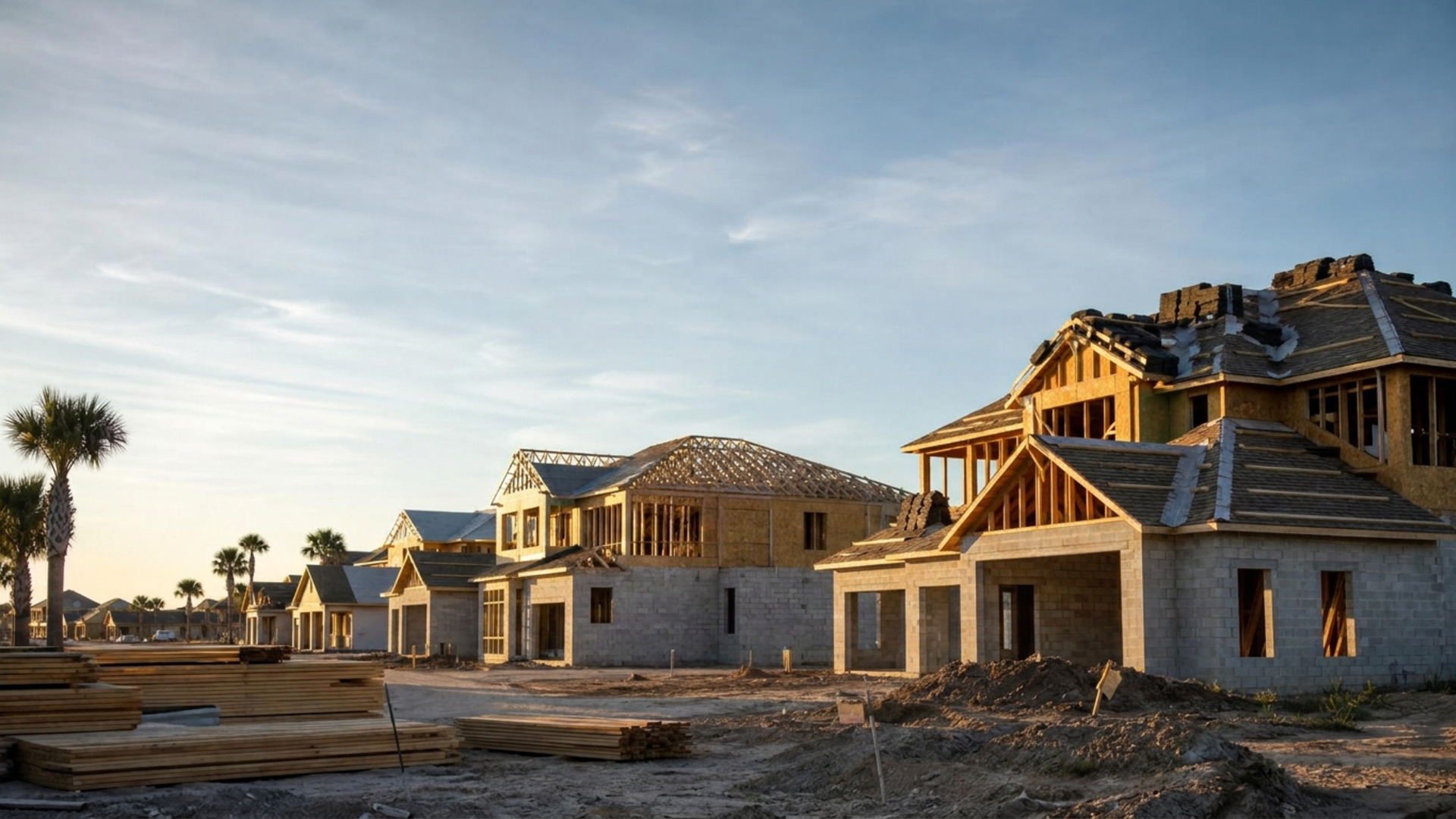
Florida Housing Construction Trends 2026: What Fewer Building Permits Mean for Real Estate Investors
Florida building permits have slowed in 2026. Here's what fewer new construction starts mean for investors, plus the loan programs that help you move faster than traditional banks.
Florida Real Estate Market
Fastest-Growing Home Prices Around Orlando in 2026: What Florida Investors Need to Know
Where Orlando-area home prices are rising fastest in 2026, which suburbs to watch, and how bridge, construction, second-mortgage, and vacant-land financing help investors act.
Florida Market
Florida Private Lending: Why Orlando's Tech Growth Is Creating Real Estate Investment Opportunities in 2026
Orlando's tech boom, Gen Z migration, and Central Florida growth corridors are creating real opportunities for investors. See how Florida private lending, bridge, construction, land, and second-mortgage programs, helps close deals faster in 2026.
Florida Market
How Florida's 2024 Hurricanes Are Creating New Real Estate Investment Opportunities Across Tampa Bay
Hurricanes Helene and Milton reshaped Tampa Bay real estate. Here is how investors, builders, and owners are using bridge loans, construction financing, vacant land financing, and second mortgages to act on the rebuild.

Florida Market
Will Florida End Property Taxes? What Real Estate Investors Need to Know
Florida is debating major property tax changes. Here's a factual, investor-focused breakdown of how the system works today, what reform could mean for cash flow and values, and what to do right now.
Florida Housing Market
Florida Housing Market Update 2026: What Rising Northeast Florida Home Prices Mean for Real Estate Investors
Northeast Florida home prices climbed ~5.1% while inventory improved and homes sold faster. See what this means for investors using bridge loans, construction financing, and value-add strategies across Jacksonville, St. Augustine, and surrounding counties.
Commercial Real Estate
Florida Commercial Real Estate Market 2026: Why Investors Prefer Private Lending
Higher rates, tighter bank underwriting, and rising insurance costs are reshaping Florida's commercial real estate market in 2026. See the sectors, regions, and private lending strategies investors are using now.
Florida Housing Market
Florida Housing Market 2026: Is Now a Better Time for Real Estate Investors?
Florida's housing market is rebalancing in 2026, more inventory, longer days on market, and real negotiating room. See what it means for investors, builders, and the bridge and construction financing that wins deals.
Florida Property Tax
What Florida's Proposed Property Tax Changes Could Mean for Real Estate Investors in 2026
Florida voters decide a major homestead exemption expansion in November 2026. See how it could move home prices, county infrastructure, and investor strategy, plus the bridge, construction, and land financing that wins in shifting markets.
Florida New Construction
Why Florida's New Construction Market Offers Opportunities for Real Estate Investors in 2026
Population growth, job expansion, and tight inventory are fueling Florida's 2026 new construction boom. See market data, investor playbooks, and the private financing winning deals.
Florida Market
Miami-Dade Development Boom Creates New Opportunities for Florida Real Estate Investors in 2026
Miami-Dade's 2026 development boom is creating fresh opportunities for Florida Real Estate Investors. See how Florida Hard Money Lenders Residential financing, bridge, construction, land, and second mortgages, helps investors move first in Miami, Hialeah, Doral, Kendall, Coral Gables, and Homestead.