Investor Education
What Do Private Lenders Look for in an Appraisal?
Published By Luminary Private Lending
- Author:
- Ivan Padilla
- Reviewed By:
- Kevin Mazzola
- Published:
- August 31, 2026
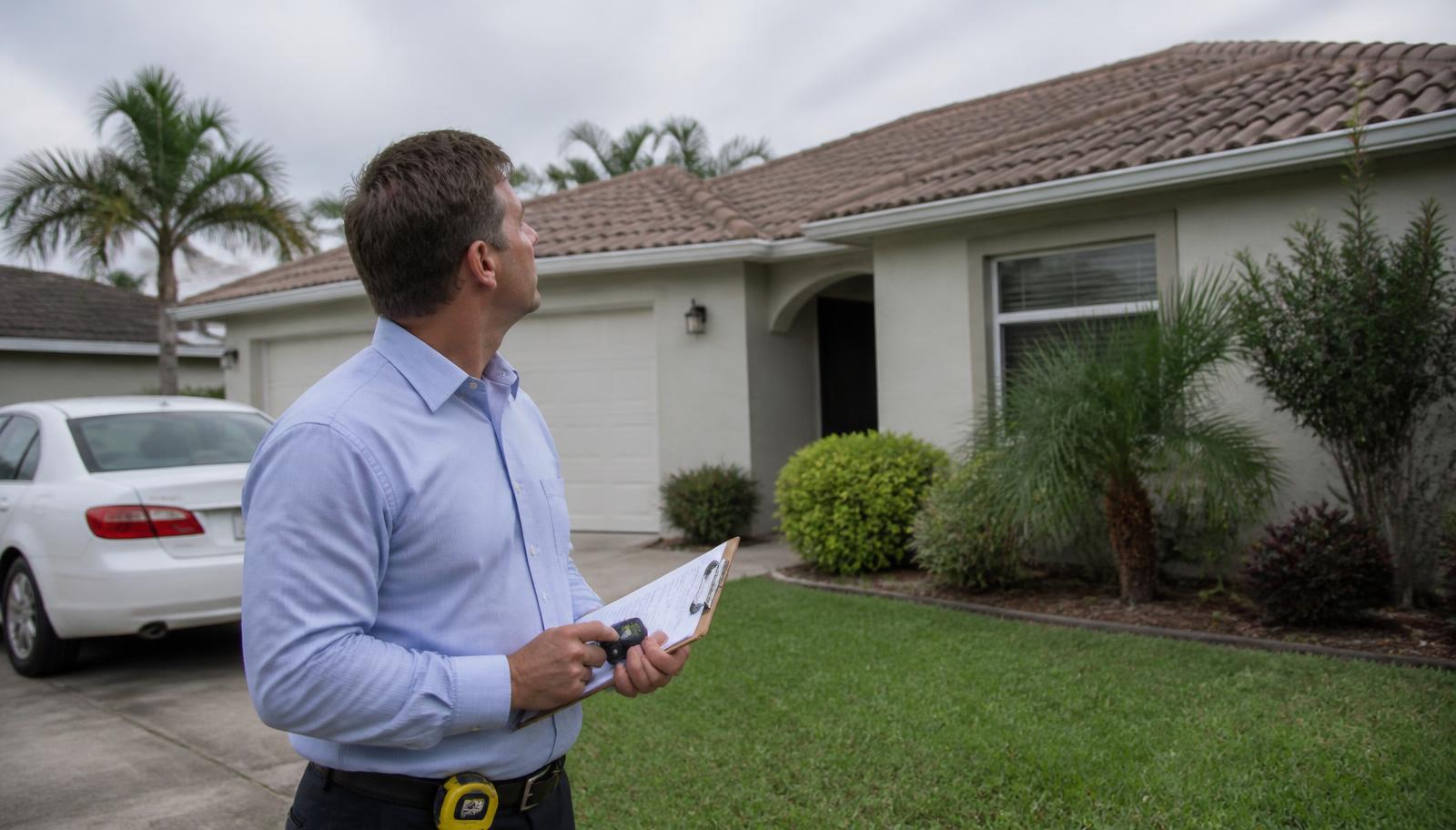
A private lender reads an appraisal for value, comparable sales, condition, marketability, zoning, and projected value at completion. Here are the 12 things Florida borrowers should know, with worked LTV, CLTV, and LTC examples.
Understanding what private lenders look for in an appraisal is one of the fastest ways to set realistic expectations before you apply. When you request a private real estate loan in Florida, the appraisal is a central part of underwriting, because asset-based lending leans on the property securing the loan rather than on income, debt-to-income ratio, and credit profile alone.
Quick Answer
What does a private lender look for in an appraisal? A private lender reviews the appraised as-is value, the comparable sales supporting it, property condition, location, marketability, zoning and highest and best use, existing improvements, and, on construction or renovation deals, the projected value at completion. That value is then tested against LTV, LTC, or CLTV guidelines.
Key Takeaways
- Value. The as-is value sets the lender's collateral position on the day of the report.
- Comparable sales. Recent, nearby, similar sales are what make a valuation defensible.
- Condition. Deferred maintenance, roof age, water intrusion, and incomplete construction affect both value and risk.
- Marketability. A lender wants collateral a future buyer would actually want.
- LTV. The appraisal does not set your loan amount. It feeds the ratio that does.
What This Guide Covers
- The property's current as-is value
- Comparable sales, recency, and proximity
- Condition, marketability, and highest and best use
- ARV and subject-to-completion value
- LTV, CLTV, and LTC worked examples
- What happens if the appraisal comes in low
- The private lending appraisal checklist
- Frequently asked questions
Why Is the Appraisal So Important to a Private Lender?
In asset-based lending the property backing the loan drives the credit decision. Say a borrower owns a Florida investment property they believe is worth about $1,000,000 and requests a $500,000 loan. The lender needs independent support for that valuation. An appraisal helps establish whether the property is realistically worth $1,000,000, $850,000, $700,000, or possibly more than the owner estimated. That difference can materially change the structure, because when a program caps loan-to-value, a lower supported value reduces the available loan.
"Most borrowers arrive with a number in their head from a listing site or a neighbor's sale. What we underwrite is the supported number. When the appraisal, the comps, and the condition all point the same direction, the file moves quickly. When they don't, that gap is the deal."
Ivan Padilla, Director of Growth and Real Estate Lending Specialist, Luminary Private Lending
1. The Property's Current As-Is Value
The as-is market value reflects the appraiser's opinion of what the property is worth today, in its current condition, as of the effective date of the report. It matters most on bridge loans, cash-out requests, investment and commercial properties, vacant land, properties needing renovation, and partially completed construction.
If an owner believes a property is worth $800,000 and an independent appraisal concludes $700,000, the lender underwrites to its own standards rather than to the owner's estimate. As-is value fixes the collateral position before any improvements, appreciation, or business plan comes into play.
2. Comparable Sales, or Comps
A valuation is not only the final number. Lenders read how the appraiser got there, and the comparable-sales grid is usually the section that receives the most attention. Comparables are weighed on location, property type, square footage, lot size, age, condition, bedroom and bathroom count, improvements, sale date, zoning, intended use, and characteristics like waterfront frontage.
Strong comps support the conclusion. When the subject differs sharply from every comparable used, the lender may ask for additional support before relying on the value.
How Recent Are the Comparable Sales?
Markets move. A sale from several years ago may not describe today's conditions as well as a recent transaction. Lenders look at when each comparable closed, whether newer transactions exist, and whether values in the submarket are rising, flat, or softening. In fast-moving Florida submarkets, an appraiser who reaches for an older sale should explain why.
How Close Are the Comparable Properties?
Two similar houses a few miles apart can be worth very different amounts because of neighborhood, school zone, waterfront access, flood zone, commercial corridors, development activity, and local demand. There is no universal distance rule. A suburban single-family home may have many sales within a mile, while a specialized commercial building may require a much wider search. The test is whether the selected comparables actually describe the subject's market.
3. Property Condition
Condition influences both value and marketability. An appraisal may flag deferred maintenance, roof condition, structural concerns, water damage, incomplete construction, dated improvements, needed repairs, functional obsolescence, or physical damage. A property needing significant work can still qualify for private financing. Its condition simply shapes the as-is value, the structure, the construction budget, and the risk assessment.
4. Marketability
Lenders care about how sellable the collateral is, not just what it is theoretically worth. The report can show typical marketing times, buyer demand, uniqueness, competing supply, and historical sales activity. A standard investment home in an active Florida market has a broad buyer pool. A single-purpose commercial facility or a highly unusual property may not.
5. Highest and Best Use, Zoning, and Existing Improvements
On commercial, land, and development files, lenders read the appraiser's highest and best use conclusion, which asks whether a use is legally permissible, physically possible, financially feasible, and maximally productive. A vacant parcel can be worth very different amounts depending on whether it can support one home, multiple residential units, retail, industrial, agricultural, or mixed use.
Lenders also confirm that current or intended use lines up with zoning and with the assumptions in the report, and they review improvements already on site: residential and commercial structures, warehouses, pools, garages, seawalls, docks, roads, utility connections, site work, and partially completed construction. Zoning or use questions rarely stop a transaction outright, but they usually require documentation.
6. ARV and Subject-to-Completion Value
Construction and renovation files add a second valuation. The lender needs today's value and the expected value once planned work is finished, described as after-repair value (ARV) or subject-to-completion value.
Suppose a property is worth $300,000 today, the borrower plans $250,000 of improvements, and the appraiser concludes a completed value of $750,000. The report then carries an as-is value of $300,000 and a subject-to-completion value of $750,000, and the lender applies its construction lending guidelines to both.
Does a High ARV Guarantee a Larger Loan?
No. A strong projected value does not commit a lender to fund the full request. Construction lenders test current land or property value, purchase price, construction budget, total project cost, loan-to-cost, after-repair value, loan-to-value, borrower equity, and feasibility. The final amount is capped by whichever measure produces the lowest result. Interest carry matters too, which is why many construction files include an interest reserve.
7. How Does an Appraisal Affect Your Private Loan Amount?
Once value is established, the lender runs the ratios. Three appear most often.
LTV: Loan to Value
LTV = Loan Amount ÷ Property Value × 100.
- Property value $800,000, proposed loan $400,000 → $400,000 ÷ $800,000 = 50% LTV.
- Same $400,000 loan against a $650,000 appraisal → approximately 61.5% LTV.
Same loan, different appraisal, very different collateral position.
CLTV: Combined Loan to Value
An appraisal establishes value, but the lender also needs the debt already attached to the property. Property value $1,000,000, existing first mortgage $400,000, proposed second mortgage $150,000 gives $550,000 of secured debt, so $550,000 ÷ $1,000,000 = 55% CLTV. This is the governing ratio on second-position requests, and the difference between lien positions is covered in first lien vs. second lien.
LTC: Loan to Cost
LTC = Loan Amount ÷ Total Project Cost × 100. Land at $200,000 plus a $400,000 construction budget is $600,000 of total cost. A $450,000 loan is $450,000 ÷ $600,000 = 75% LTC. If the same project appraises subject to completion at $900,000, that loan is also 50% of completed value, and the lender applies the more conservative of the two tests.
Private Lending Appraisal Example: Orlando, Florida
Consider a Central Florida investor requesting a bridge loan on an Orlando rental property. The borrower estimates value at $1,200,000, requests $600,000, and carries no existing mortgage. At the borrower's number that is $600,000 ÷ $1,200,000 = 50% LTV.
The appraisal concludes $950,000. The calculation becomes $600,000 ÷ $950,000 = approximately 63.2% LTV. The requested dollars never changed, but the lender's exposure did, and that is why an appraisal can move private loan terms even on a clean file.
What Happens If a Private Loan Appraisal Comes in Low?
A low appraisal does not automatically end the transaction, though it usually changes the structure. Depending on the file and program, outcomes can include reducing the loan amount, increasing borrower equity, adding collateral, revising project scope, supplying additional valuation information, restructuring the request, or declining when collateral support is not there.
Borrowers should not treat an online estimate or a personal opinion of value as equivalent to an independent appraisal.
Can a Private Lender Disagree With an Appraisal?
Yes. An appraisal is an independent professional opinion of value, and it does not obligate a lender to accept every conclusion. A lender may request clarification on comparable selection, adjustments, condition, missing information, construction assumptions, market conditions, zoning, intended use, or methodology. Unique and complex properties sometimes require an appraisal review or a second valuation.
Florida-Specific Factors That Affect Collateral Analysis
Florida is not one market. Conditions differ across South Florida (Miami, Fort Lauderdale, West Palm Beach), Southwest Florida (Naples, Fort Myers), Tampa Bay (Tampa, St. Petersburg, Sarasota), Central Florida (Orlando), and Northeast Florida (Jacksonville), and often between neighborhoods inside one city. Several factors carry real weight in a Florida appraisal review.
- Flood zone and elevation. Designations from the FEMA Flood Map Service Center affect buildability, insurance, and buyer demand.
- Wind and building code. Coastal projects follow the Florida Building Code, with high-velocity hurricane zone requirements in Miami-Dade and Broward.
- Insurance cost. Wind and flood premiums vary widely by county and distance to the coast and influence what a buyer will pay.
- Condominium characteristics. Milestone inspection and structural reserve obligations under Florida law can affect condo values and marketability.
- Waterfront and coastal exposure. Seawalls, docks, and coastal construction lines change both value and repair risk.
- Rapid development. In fast-growing corridors, comps age quickly and land availability shifts pricing.
- Zoning and local records. County property appraiser data, such as the Orange County Property Appraiser, helps verify parcel facts.
What We Commonly See When Reviewing Florida Appraisals
Across the files our team reviews, a handful of issues repeat.
- Unsupported borrower valuations. An estimate drawn from an automated model rather than closed sales.
- Outdated reports. An appraisal ordered a year or more ago for a different purpose.
- Weak comps. Sales pulled from a stronger neighborhood or a different property class.
- Incomplete construction assumptions. A subject-to-completion value based on plans that no longer match the current budget or scope.
- Unusual properties. Mixed-use, single-purpose, or heavily customized assets with a thin buyer pool.
- Undisclosed liens. Debt, code liens, or open permits that surface at title and change the CLTV.
Private Lending Appraisal Checklist
Providing accurate property information early tends to shorten valuation and underwriting. Depending on the transaction, useful items include:
- Property address and parcel identification number
- Purchase contract, if applicable
- Existing mortgage statement and payoff
- Construction plans, scope of work, and budget
- Contractor information and license
- Rent roll and existing leases
- Survey and any prior appraisal
- Property photos and documentation of recent improvements
Commercial and specialized properties generally require more documentation.
Appraisal Factors at a Glance
| Appraisal Factor | What It Tells the Lender | Why It Matters |
|---|---|---|
| As-Is Value | Current property value | Establishes collateral today |
| Comparable Sales | Market support for the value | Makes the valuation defensible |
| Condition | Current physical state | Affects value and marketability |
| ARV | Potential completed value | Central to construction and rehab files |
| Marketability | Likely buyer demand | Helps assess collateral risk |
| Zoning and Use | Legally permitted use | Supports highest and best use |
| Existing Liens | Debt already secured | Drives CLTV on second positions |
Does Every Private Loan Need an Appraisal, and Who Orders It?
Not necessarily. Requirements vary by lender, property type, loan amount, available information, and complexity. A lender can sometimes begin an evaluation from property details and market data, with a formal appraisal still required before final approval or closing.
The ordering process also varies. Some private lenders manage the appraisal themselves, while others accept a report from an approved appraiser. Confirm requirements before paying for a report on your own, because an appraisal the lender cannot use adds cost and delay.
Frequently Asked Questions About Private Lender Appraisals
These are the questions Florida borrowers ask most often before ordering a report.
Summary
Private lenders generally evaluate an appraisal for current value, comparable sales, condition, marketability, property use, existing improvements, and projected value when construction is involved. The appraised value is then used with LTV, LTC, or CLTV guidelines to determine whether the collateral supports the requested financing. In Florida, flood zone, wind exposure, insurance cost, and submarket conditions can meaningfully affect that analysis.
Have a Florida Property You Want Reviewed?
Luminary Private Lending provides real estate-backed financing for qualified investment and business purpose transactions across Florida, including bridge loans, construction financing, second mortgages, and vacant land loans. Submit the property address, estimated value, existing mortgage balance, requested loan amount, and intended use of funds to start an initial review. Contact the team or view all loan programs. Florida properties only.
Author and Reviewer
Author. Ivan Padilla, Director of Growth and Real Estate Lending Specialist, Luminary Private Lending. Ivan works daily with Florida investors, builders, and property owners on bridge, construction, second mortgage, and vacant land financing. Meet the team.
Reviewed by. Kevin Mazzola, Founder of Luminary Private Lending.
Published: August 31, 2026. Last updated: August 2026. Last reviewed: August 31, 2026. Loan approval, amount, rate, fees, and terms depend on underwriting, collateral review, program guidelines, and final approval. Nothing in this article is a commitment to lend or financial or legal advice.
Related Florida Lending Resources
Keep Reading
Latest Insights
Keep exploring Florida private lending insights.

Investor Education
What Does 125% Lender’s Title Insurance Mean? Florida Private Lending Guide
A 125% lender’s title insurance requirement means the policy amount equals 125% of the loan principal. It does not mean the borrower receives 25% more money or pays a 25% fee. On a $1,950,000 loan, 125% coverage equals $2,437,500; actual protection depends on the policy terms.

Investor Education
How Unclear Payoff Statements and Property Liens Can Delay a Private Real Estate Loan Closing
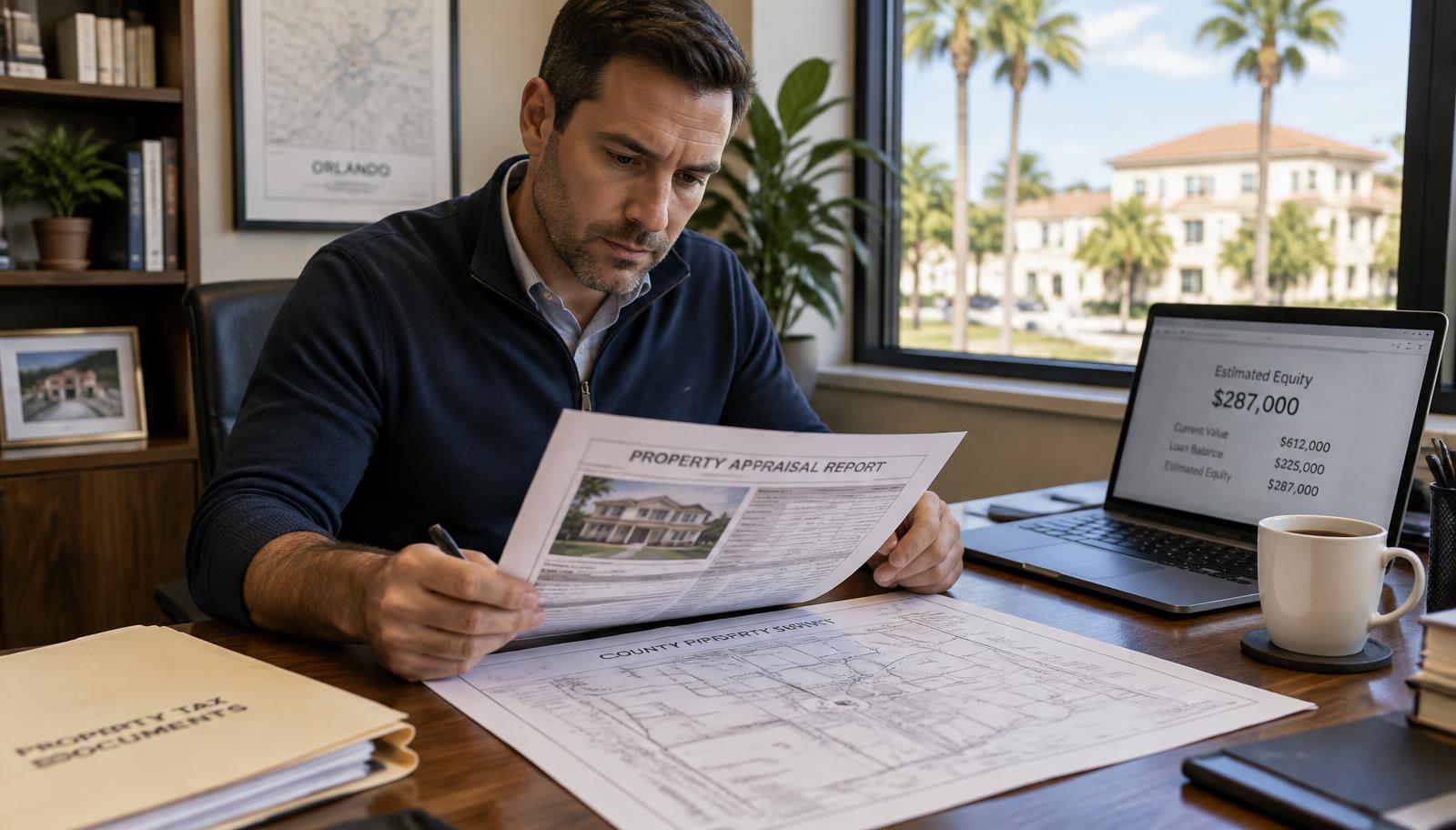
An unclear payoff or an unresolved lien can stall a Florida private loan even when the property has equity. This guide explains payoff statements, lien types, combined loan to value on second mortgages, paying liens at closing and how to prevent delays.
Investor Education
Can You Get a Private Real Estate Loan Without Tax Returns in Florida?
Tax returns do not always reflect an investor's real financial strength. This Florida guide explains how asset-based private lenders evaluate property value, equity, loan-to-value, liquidity, use of funds and exit strategy instead of conventional income documentation.

Investor Education
Can a Newly Formed LLC Qualify for a Private Real Estate Loan in Florida?
A newly formed LLC may still qualify for private real estate financing in Florida. This guide explains what asset-based lenders review instead of operating history: property value, equity, liens, liquidity, the principals, documentation and the exit strategy.

Investor Education
Title Issues & Code Violations: Can They Get a Private Real Estate Loan Denied in Florida?
Strong equity and a supportive appraisal do not guarantee a closing. This Florida guide explains how title defects, recorded liens, municipal code liens, open permits and unpermitted work affect private lending, which issues are usually curable, what documentation to send up front, and why lien position matters as much as value.

Investor Education
Can an LLC Get a Real Estate Loan Without Personal Credit? A Florida Private Lending Guide
An LLC real estate loan without personal credit as the deciding factor is possible with asset-based private lenders. This Florida guide covers what lenders review instead, LTV math with worked scenarios, new-LLC and free-and-clear situations, the difference between a credit pull and a personal guarantee, and a borrower document checklist.
Investor Education
What Is Cross Collateralization in Private Lending? A Complete Guide for Real Estate Investors
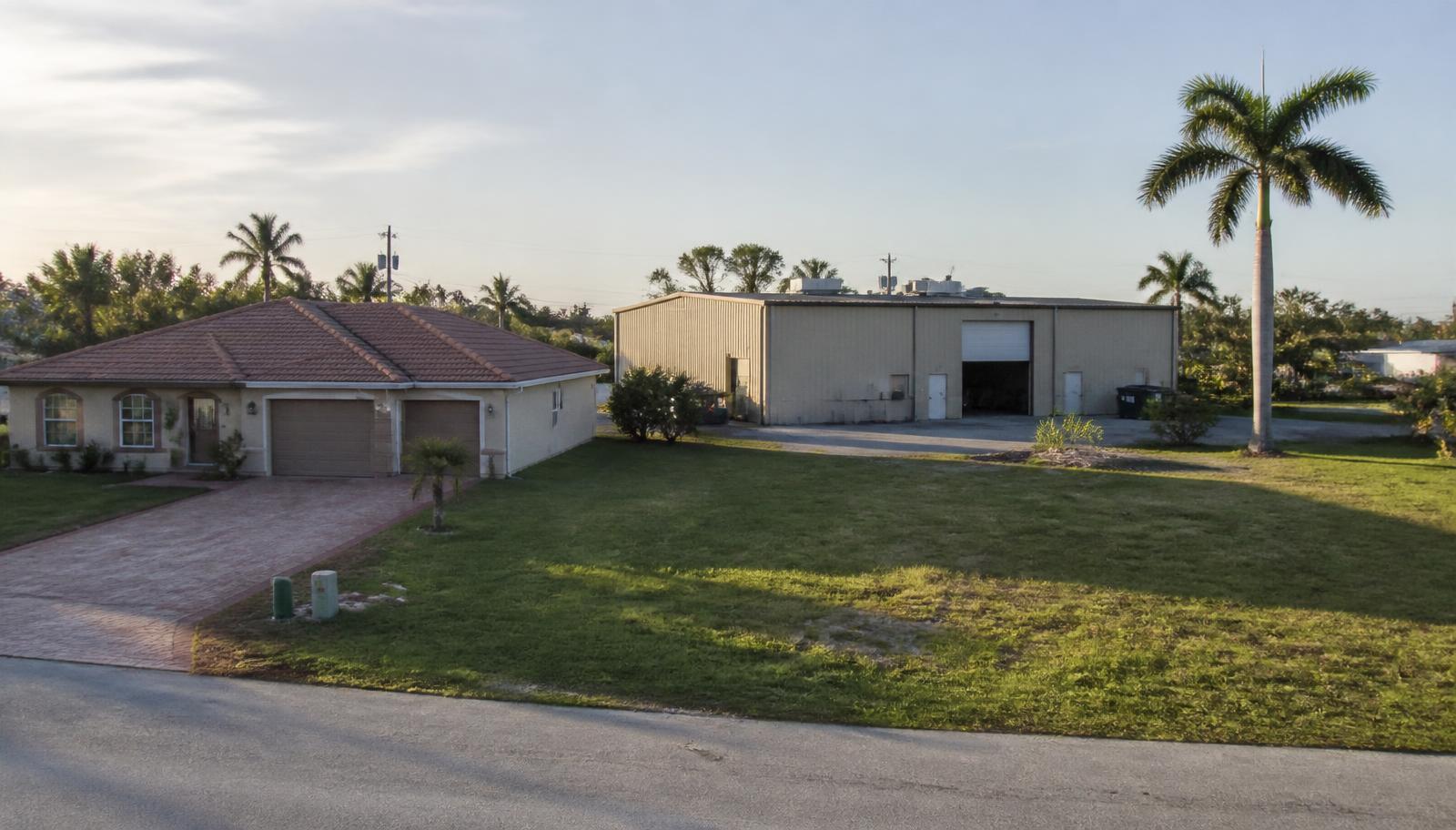
Cross collateralization lets investors combine equity from several properties to secure one loan. Here is how the collateral package works, who it fits, the risks, lender requirements, and a Florida example that closed in ten days.
Investor Education
Upfront Due Diligence Deposits: How Florida Borrowers Can Avoid Costly Financing Mistakes
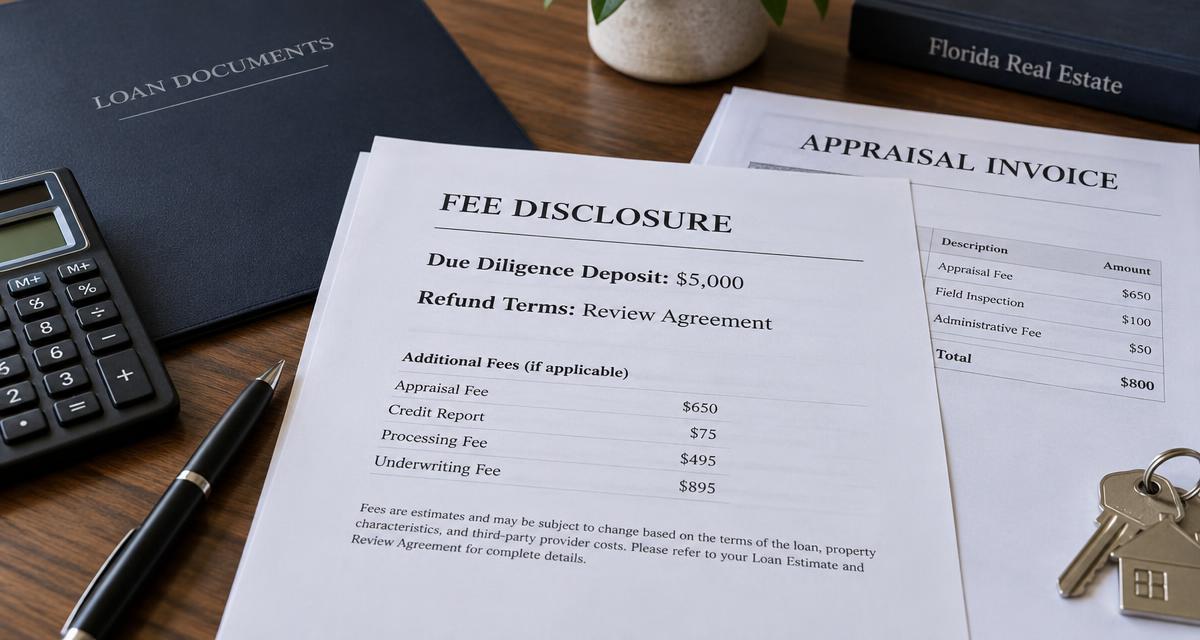
Know who receives your money, what work it covers and what happens if financing fails. A practical Florida guide to upfront deposits, written fee terms and independent verification.
Investor Education
Purchase Price Higher Than the Listing? Here’s What Could Really Be Going On
A higher contract price can be legitimate, but a material unexplained difference deserves independent verification. This guide explains how lenders can reconcile the listing, contract, appraisal, title and closing figures.

Investor Education
What Happens If a Property Appraises Lower Than Expected?
A low appraisal changes the numbers, not always the deal. How a lower-than-expected value affects LTV, loan proceeds, the appraisal gap, construction and refinance requests, and what Florida investors can do next.
Investor Education
Can You Borrow Against a Free-and-Clear Property in Florida?
A 2026 guide to unlocking equity in Florida real estate you own free and clear: first lien position, LTV sizing tables, worked residential, commercial, multifamily, and land examples, plus a private loan vs. cash-out refinance vs. HELOC comparison.

Investor Education
LTV vs. LTC vs. ARV: What's the Difference in Real Estate Lending?
LTV measures the loan against property value, LTC measures it against total project cost, and ARV estimates value once the work is done. Here is how Florida private lenders use all three, with one deal calculated three ways.