Florida Real Estate Market
Southwest Florida Foreclosures Are Rising in 2026: What It Means for Florida Real Estate Investors
Published By Luminary Private Lending
- Author:
- Ivan Padilla
- Reviewed By:
- Kevin Mazzola
- Published:
- July 20, 2026
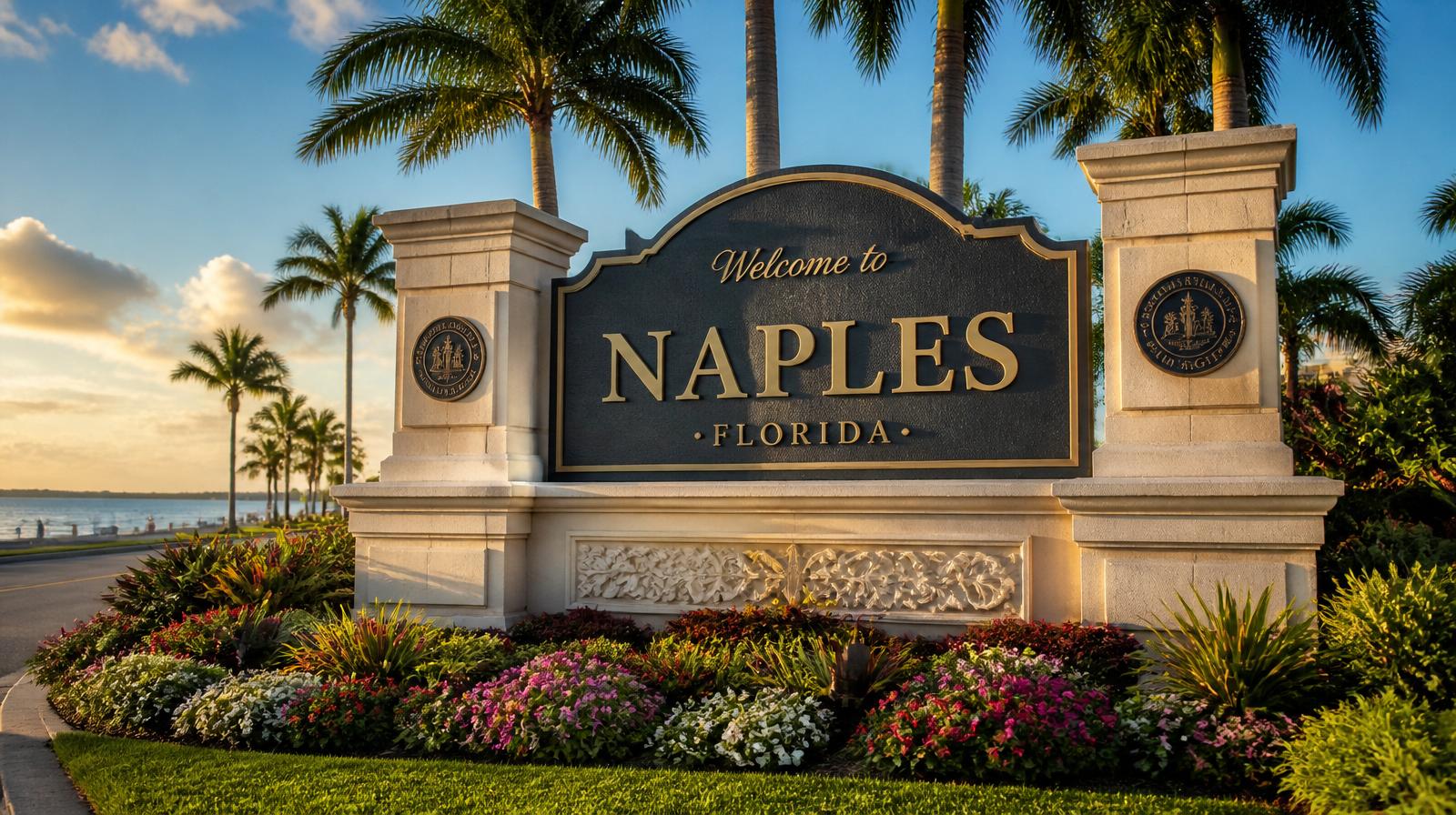
Cape Coral and Fort Myers are leading Florida in foreclosure filings. It's not another 2008, it's a market reset. Here's what Florida real estate investors need to know, and how to move fast.
Southwest Florida is back in the real estate headlines, this time because foreclosure filings are rising across Lee, Collier, Charlotte, and Sarasota counties. Cape Coral and Fort Myers are leading the state in filings, but this is not 2008 repeating itself. It's a market resetting after years of rapid appreciation, higher insurance costs, and elevated borrowing rates. For prepared investors with access to fast capital, that reset opens a window.
Southwest Florida Foreclosure Snapshot (July 2026)
Southwest Florida, the Gulf Coast region anchored by Lee, Collier, Charlotte, and Sarasota counties, is showing the state's most concentrated foreclosure activity. The pattern reflects affordability pressure and rising carrying costs, not a demand collapse.
| County | Foreclosure Activity | State Ranking | Trend vs. Prior Year |
|---|---|---|---|
| Lee (Cape Coral, Fort Myers) | Elevated | Among highest in FL | ↑ Increasing |
| Charlotte (Punta Gorda, Port Charlotte) | Elevated | Top tier | ↑ Increasing |
| Collier (Naples, Bonita Springs) | Moderate | Mid-to-upper tier | ↑ Rising |
| Sarasota (Sarasota, Venice, North Port) | Moderate | Mid tier | ↑ Rising |
Sources: ATTOM Data Solutions, Florida Realtors, FRED (Federal Reserve), FHFA, U.S. Census Bureau. Directional trends shown; consult sources for latest published figures.
Why Are Foreclosures Increasing?
Several economic factors are pressuring homeowners throughout Southwest Florida at the same time:
1. Higher Mortgage Payments
Borrowers who purchased at peak pricing, or refinanced into adjustable-rate loans, are now carrying significantly larger monthly obligations. According to Freddie Mac / FRED data, 30-year mortgage rates have remained elevated compared with the historic lows of 2020 – 2021.
2. Rising Insurance Costs
Coastal counties like Lee, Charlotte, and Collier face some of the fastest homeowners insurance premium increases in the country. Data from the Florida Office of Insurance Regulation shows persistent upward pressure driven by hurricane exposure and reinsurance costs.
3. Property Taxes
As values climbed during 2020 – 2023, so did assessed values. Non-homesteaded investment properties fall under a 10% cap rather than the 3% Save Our Homes cap, so investor tax bills have moved with the market.
4. Slower Home Sales
Inventory has expanded across many Florida markets, giving buyers leverage. Distressed sellers can no longer expect a fast, above-ask exit.
5. Hurricane Recovery
Neighborhoods still absorbing repair costs from recent storms are carrying additional financial strain, particularly along the Gulf Coast.
The Areas Seeing the Greatest Impact
Foreclosure activity is visible statewide, but Southwest Florida stands out. Communities to watch include:
- Lee County: Cape Coral, Fort Myers, North Fort Myers, Lehigh Acres, Estero, Bonita Springs, Pine Island, Sanibel
- Collier County: Naples, Golden Gate, Immokalee
- Charlotte County: Punta Gorda, Port Charlotte, Englewood
- Sarasota County: Sarasota, Venice, North Port
These markets saw exceptional pandemic-era appreciation. As prices stabilize and carrying costs rise, financially distressed properties are surfacing more frequently.
Is This Another 2008 Housing Crisis?
Short answer: no. Foreclosure activity is rising, but today's market has structural differences from the Great Recession:
- Lending standards are stronger. Post-Dodd-Frank underwriting is far more conservative than the pre-2008 era.
- Homeowners hold more equity. Years of appreciation give owners more paths, sale, refinance, or second mortgage, before foreclosure becomes inevitable.
- Inventory is normalizing, not collapsing. Buyer activity is present; the market is simply less frenzied.
- Employment is relatively strong. Unlike 2008, today's rise is driven by carrying costs, not mass job losses.
How We Got Here (2020 – 2026)
| Year | Market Event |
|---|---|
| 2020 | Record low mortgage rates |
| 2021 | Home prices surged across Florida |
| 2022 | Mortgage rates roughly doubled |
| 2023 | Florida insurance crisis intensified |
| 2024 | Inventory returned; buyers regained leverage |
| 2025 | Appreciation slowed and normalized |
| 2026 | Foreclosure filings rose in Southwest Florida |
How Southwest Florida Compares to Orlando, Tampa, and Miami
| Market | Inventory | Foreclosure Trend | Investor Opportunity |
|---|---|---|---|
| Southwest Florida (Lee, Collier, Charlotte, Sarasota) | Rising | Elevated | High |
| Orlando & Central Florida | Rising | Moderate | Moderate |
| Tampa Bay | Stabilizing | Moderate | Moderate |
| Miami-Dade / South Florida | Supply-constrained | Lower | Selective |
For additional context, review our Central Florida market outlook and Orlando price growth analysis.
What This Means
For Investors
Rising foreclosures often signal a shift in negotiating power. Distressed acquisitions, pre-foreclosure, short sale, auction, and REO, become more available. Investors with pre-arranged capital via bridge loans or second mortgages can act while competition thins.
For Homeowners
Owners under pressure have more options than they may realize: listing, refinancing, tapping equity through a second mortgage, or negotiating with the lender. Acting early, before a Notice of Default, preserves the most alternatives.
For Builders
Slower absorption and higher carrying costs are reshaping pipelines. Construction financing that allows draws and flexible schedules can help builders stay on-plan when bank timelines slow.
For Realtors
Agents active in Lee, Collier, Charlotte, and Sarasota should expect more distressed listings, more contingent buyers, and longer marketing periods. Connecting sellers early with lenders who understand equity-based solutions helps prevent unnecessary foreclosures.
For Private Lenders
Cycle shifts increase demand for speed and flexibility. Equity-based lenders play a larger role when banks tighten and timelines lengthen.
Financing Opportunities During Market Shifts
Access to capital typically decides who wins distressed deals. Traditional financing often can't move at auction speed. Private lending solutions may help qualified borrowers with:
- Bridge Loans: Fast closings on distressed acquisitions before long-term financing is in place.
- Second Mortgages / Cash-Out: Owners tap equity to reinvest, complete renovations, or stabilize a portfolio.
- Construction Loans: Rebuild damaged properties or complete stalled projects.
- Vacant Land Financing: Acquire pad-ready parcels or hold sites through the cycle.
Bank Loan vs. Private Lending. What Actually Matters at Auction
| Feature | Bank Loan | Private Lending |
|---|---|---|
| Closing Speed | Weeks to months | Days to weeks |
| Asset-Based Options | Limited | Yes |
| Flexibility on Distressed Properties | Lower | Higher |
| Renovation-Friendly | Sometimes | Often |
| Business-Purpose Investment Focus | Variable | Yes |
Every loan is subject to underwriting, collateral evaluation, and eligibility requirements.
Florida County Opportunity Snapshot
| County | Investor Opportunity | Competition | Inventory |
|---|---|---|---|
| Lee | High | Moderate | High |
| Charlotte | High | Lower | Rising |
| Collier | Medium | Higher | Moderate |
| Sarasota | Medium | Moderate | Rising |
| Orange (Orlando) | Medium | Higher | Lower |
| Hillsborough (Tampa) | Medium | Moderate | Moderate |
Action Steps for Investors
- ✓ Monitor Lee, Collier, Charlotte, and Sarasota foreclosure filings weekly
- ✓ Line up financing before making offers, auction rules require proof of funds
- ✓ Review title history and any liens carefully
- ✓ Estimate realistic renovation costs including permits and insurance
- ✓ Model post-purchase insurance premiums for coastal properties
- ✓ Understand each county's specific auction and redemption rules
Common Mistakes When Buying Florida Distressed Properties
- Waiting until auction day to secure financing
- Ignoring title clouds and outstanding liens
- Underestimating renovation and permit costs
- Skipping inspections on "as-is" purchases
- Failing to price in Florida's elevated insurance premiums
Investor Scenario
Example only, illustrative. An investor in Cape Coral identifies a pre-foreclosure single-family home. Using a bridge loan, they close in under three weeks, complete a targeted renovation, and refinance into long-term financing after stabilization. The speed of capital was the deciding factor.
Glossary
- Foreclosure: Legal process by which a lender takes possession of a property after a borrower defaults.
- Pre-foreclosure: The period after default but before the property is sold at auction.
- REO (Real Estate Owned): Property taken back by the lender after an unsuccessful auction.
- Lis Pendens: Public notice that a lawsuit affecting title has been filed.
- LTV (Loan-to-Value): Loan amount divided by property value.
- Bridge Loan: Short-term, asset-based financing for time-sensitive acquisitions.
- Distressed Property: A property where the owner faces financial or physical hardship affecting the asset.
Luminary Perspective
Rising foreclosure activity is difficult for the homeowners it affects. For experienced investors, it also marks the beginning of a new opportunity window. Cycles run on their own schedule, capital, research, and speed are what separate the investors who act from those who watch.
At Luminary Private Lending, we work with Florida real estate investors, builders, and property owners on equity-based financing solutions across Southwest Florida. Cape Coral, Fort Myers, Naples, Bonita Springs, Sarasota, and statewide.
Frequently Asked Questions
Sources & References
- ATTOM Data Solutions. Foreclosure Market Reports
- Florida Realtors Market Reports
- Freddie Mac / FRED, 30-Year Mortgage Rates
- Federal Housing Finance Agency (FHFA)
- U.S. Census Bureau
- U.S. Department of Housing and Urban Development (HUD)
- Florida Office of Insurance Regulation
Related Guides
- What Is a Bridge Loan in Florida?
- When Should You Take a Second Mortgage? Florida Investor Guide
- Central Florida Real Estate Market 2026
- Florida Housing Construction Trends 2026
- Florida Real Estate Wire Fraud: Protect Your Closing Funds
- Lee County Private Lending
- Collier County Private Lending
- Sarasota County Private Lending
- Charlotte County Private Lending
Reviewer & Author
Author. Ivan Padilla, Director of Growth and Real Estate Lending Specialist, Luminary Private Lending. Ivan works with Florida real estate investors on bridge, construction, second-mortgage, and vacant land financing.
Reviewed by. Kevin Mazzola, Founder of Luminary Private Lending, with experience financing Florida investment properties and asset-based lending solutions.
Published: July 20, 2026. Last updated: July 20, 2026. Last reviewed: July 20, 2026. Next scheduled review: January 2027. This article is for informational purposes only and is not legal, tax, financial, or investment advice. Lending programs are subject to underwriting, collateral review, and Florida regulations. Loan approvals are not guaranteed.
Related Florida Lending Resources
Keep Reading
Latest Insights
Keep exploring Florida private lending insights.
Florida Real Estate Market
Florida Housing Construction Trends 2026: What Fewer Building Permits Mean for Real Estate Investors
Florida building permits have slowed in 2026. Here's what fewer new construction starts mean for investors, plus the loan programs that help you move faster than traditional banks.
Florida Real Estate Market
Fastest-Growing Home Prices Around Orlando in 2026: What Florida Investors Need to Know
Where Orlando-area home prices are rising fastest in 2026, which suburbs to watch, and how bridge, construction, second-mortgage, and vacant-land financing help investors act.
Florida Real Estate Market
Central Florida Real Estate Market 2026: Is Now the Right Time to Buy Investment Property?
Central Florida inventory is rising, negotiations are more balanced, and investors have new opportunities in 2026, here's what's changing and how to finance your next deal.
Florida Housing Market
Florida Housing Market Update 2026: What Rising Northeast Florida Home Prices Mean for Real Estate Investors
Northeast Florida home prices climbed ~5.1% while inventory improved and homes sold faster. See what this means for investors using bridge loans, construction financing, and value-add strategies across Jacksonville, St. Augustine, and surrounding counties.
Florida Commercial Real Estate
Southwest Florida's Next Commercial Real Estate Boom? Why Institutional Investors Are Betting Big on the Gulf Coast
Institutional capital is quietly pouring into Southwest Florida's Gulf Coast, from Tampa to Naples. Here's why the I-75 corridor is Florida's next commercial real estate growth engine, and how investors can position for it.
Commercial Real Estate
Florida Commercial Real Estate Market 2026: Why Investors Prefer Private Lending
Higher rates, tighter bank underwriting, and rising insurance costs are reshaping Florida's commercial real estate market in 2026. See the sectors, regions, and private lending strategies investors are using now.
Florida Housing Market
Florida Housing Market 2026: Is Now a Better Time for Real Estate Investors?
Florida's housing market is rebalancing in 2026, more inventory, longer days on market, and real negotiating room. See what it means for investors, builders, and the bridge and construction financing that wins deals.
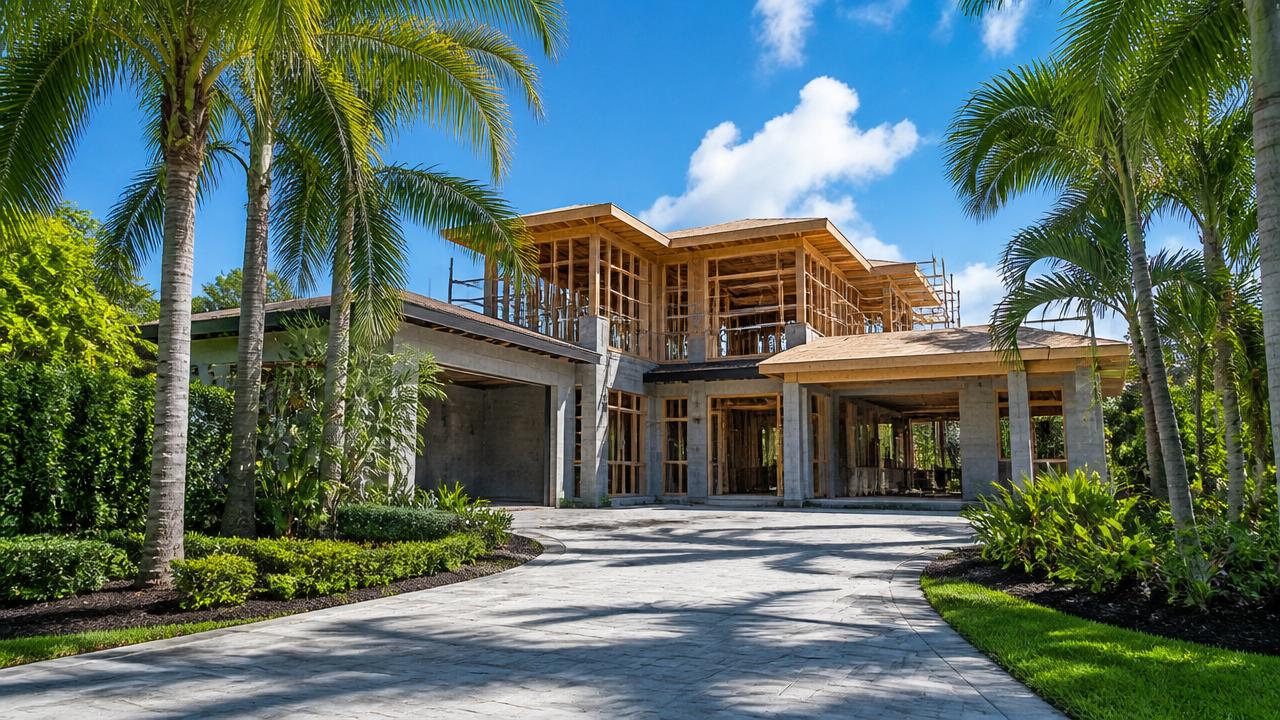
Florida New Construction
Why Florida's New Construction Market Offers Opportunities for Real Estate Investors in 2026
Population growth, job expansion, and tight inventory are fueling Florida's 2026 new construction boom. See market data, investor playbooks, and the private financing winning deals.
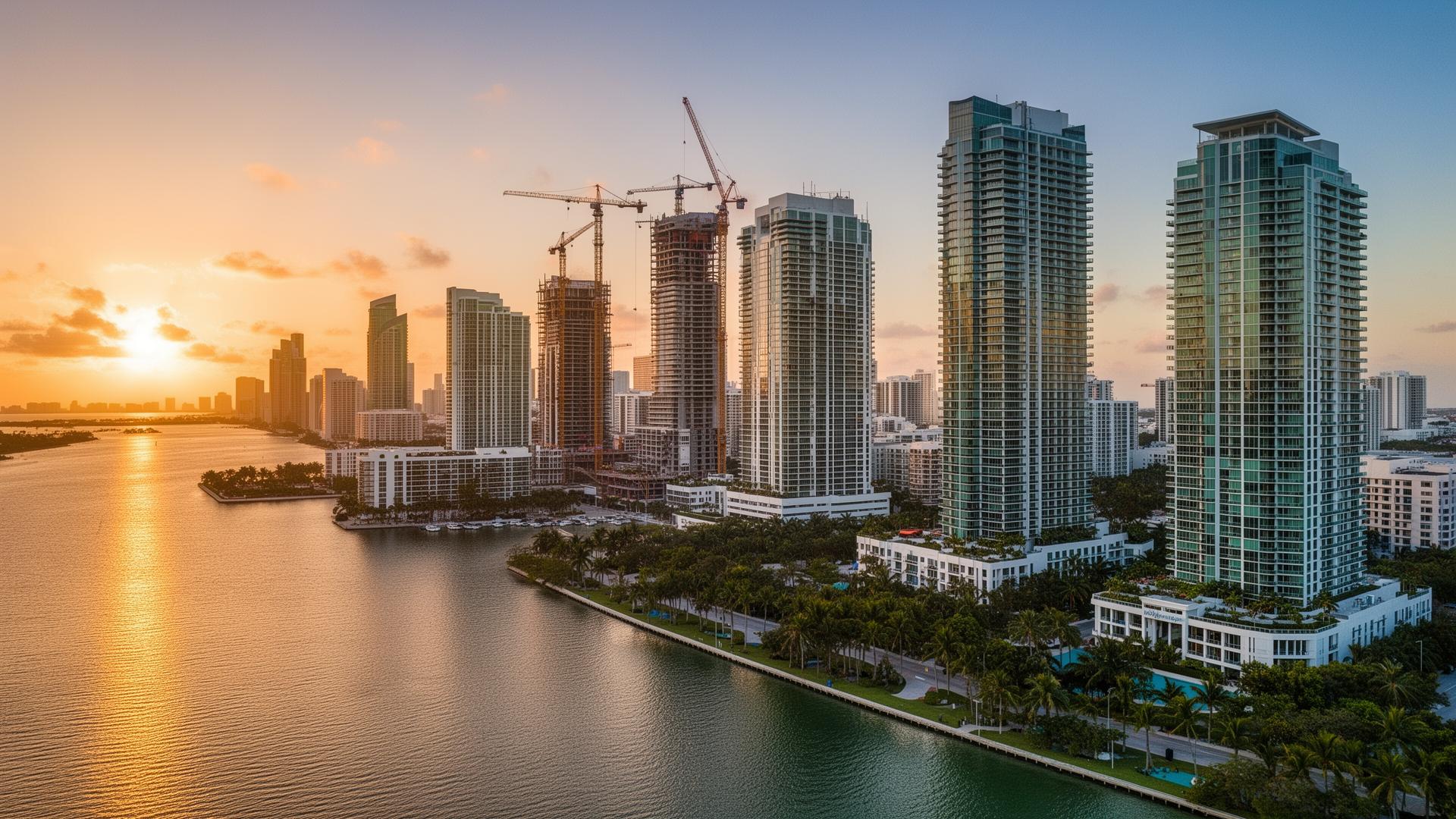
Florida Market
Miami-Dade Development Boom Creates New Opportunities for Florida Real Estate Investors in 2026
Miami-Dade's 2026 development boom is creating fresh opportunities for Florida Real Estate Investors. See how Florida Hard Money Lenders Residential financing, bridge, construction, land, and second mortgages, helps investors move first in Miami, Hialeah, Doral, Kendall, Coral Gables, and Homestead.
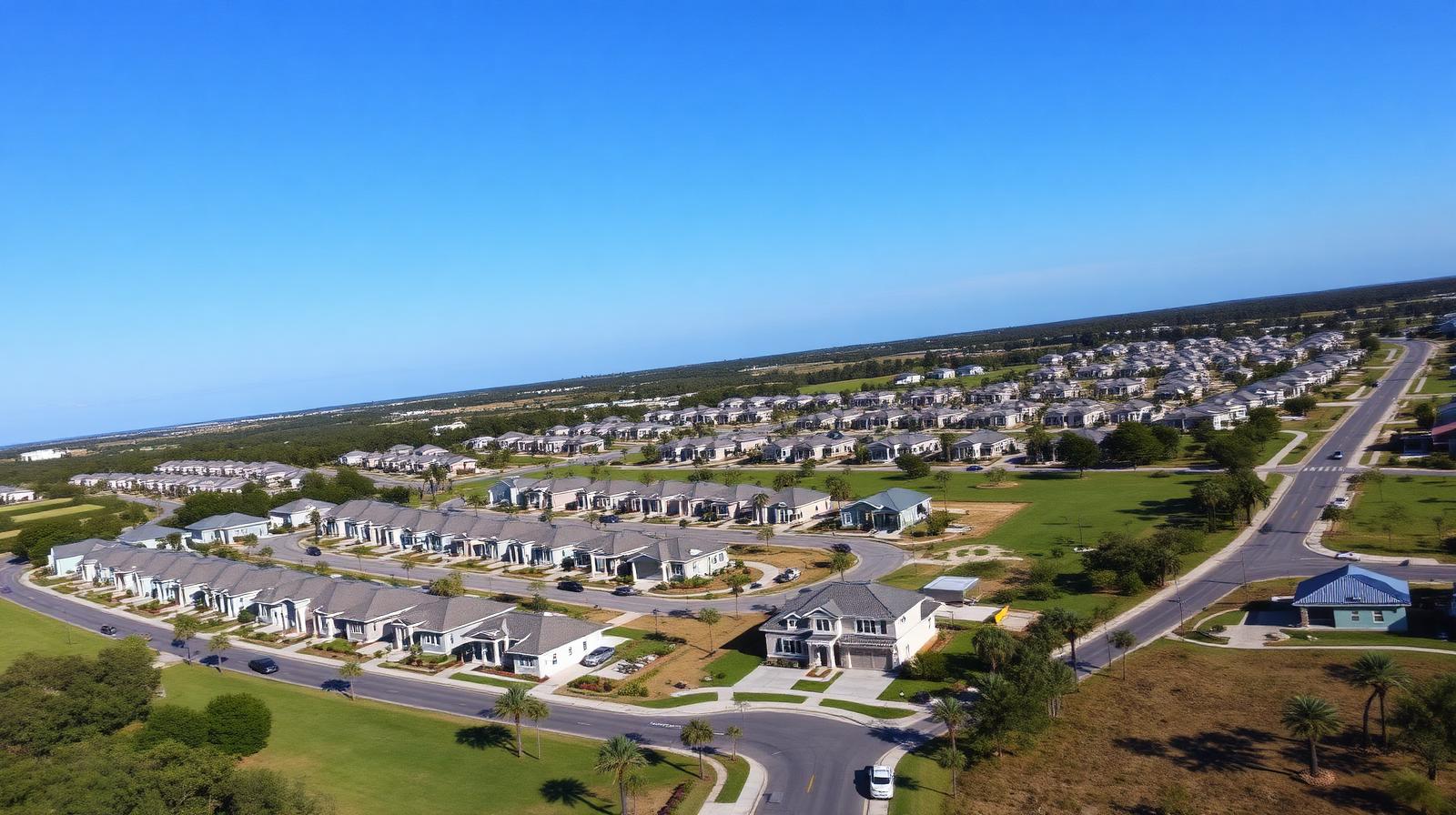
Florida Market
Osceola County Growth Update: Impact of 1,000 New Homes on Florida Real Estate Investors
Osceola County is set to add approximately 1,000 new homes, here's what the expansion could mean for Florida investors, builders, landowners, and developers watching Central Florida.
Florida Market
Will Florida End Property Taxes? What Real Estate Investors Need to Know
Florida is debating major property tax changes. Here's a factual, investor-focused breakdown of how the system works today, what reform could mean for cash flow and values, and what to do right now.
Investor Education
What Is a Balloon Payment? A Complete Guide for Real Estate Investors in Florida
A balloon payment is a large final payment due at the end of a short term loan. Here is how balloon loans work, which programs use them, real Florida examples, the risks, and how investors plan an exit strategy before borrowing.