Construction Financing
Soft Cost Financing in Florida: Funding Your Project Before Construction
Published By Luminary Private Lending
- Author:
- Ivan Padilla
- Reviewed By:
- Kevin Mazzola
- Published:
- October 21, 2026
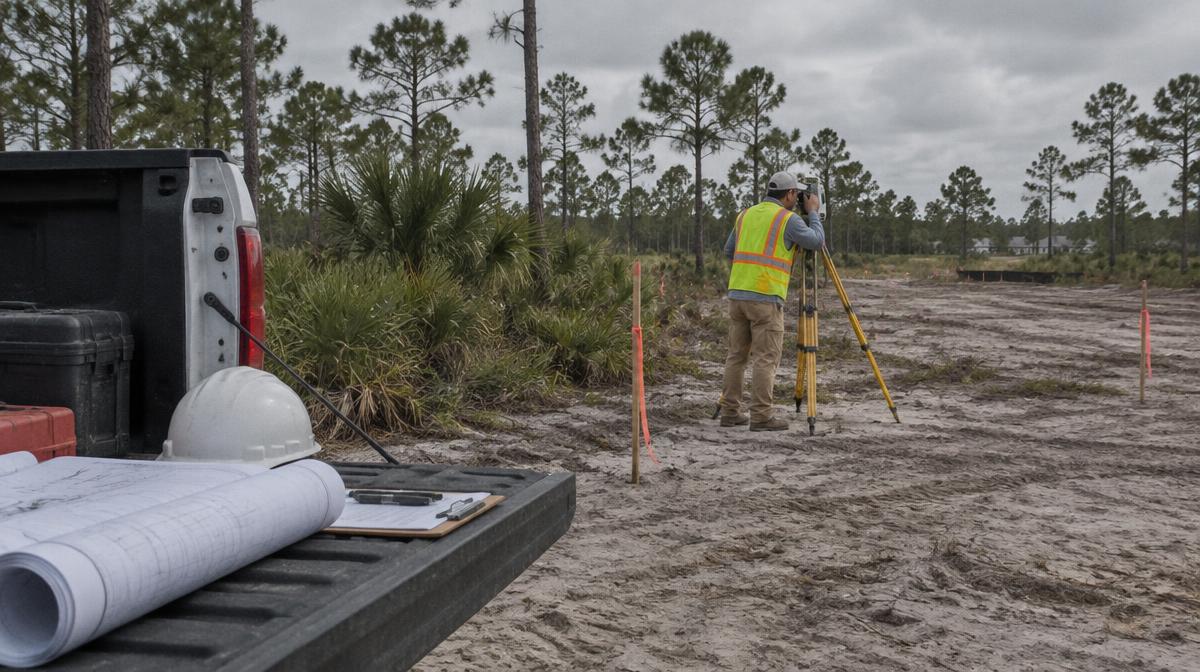
Soft cost financing helps Florida borrowers pay eligible predevelopment expenses such as architectural drawings, engineering, surveys, site investigations and permit fees before construction begins. Eligibility depends on the property, the borrower and the project review.
Quick Answer
Soft cost financing helps a Florida borrower pay eligible predevelopment expenses, such as architectural drawings, engineering, surveys, site investigations and permit fees, before construction begins. Luminary Private Lending provides soft cost financing for qualifying business purpose real estate projects in Florida. Eligibility and amounts depend on the property, the borrower and the project review; this financing does not guarantee permit approval or a future construction loan.
Key Takeaways
- Soft costs pay for planning, design and professional services; hard costs pay for physical work and materials.
- Designing a drainage system is a soft cost; installing that drainage system is a hard cost.
- Predevelopment expenses can reach six figures before anyone breaks ground, as the $250,000 hypothetical budget below shows.
- Owning land does not guarantee approval to build on it.
- An itemized budget, current approval status and a clear repayment strategy make a soft cost request easier to review.
A major real estate project begins long before construction starts. Architectural drawings, engineering, surveys, site investigations and permits are all required while you are still planning. Knowing these costs early helps you build a complete budget and prepare for the next financing stage.
What Are Soft Costs in Real Estate Development?
Soft costs are real estate development expenses for planning, design and professional services, rather than physical construction work or building materials. Examples include architectural plans, civil engineering, surveys and permit application fees.
Soft costs can arise before and during construction. Developers often struggle to pay for the documentation and approvals a project requires, and that funding gap can slow project progress.
Soft Costs vs. Hard Costs: What Is the Difference?
The difference lies in what the expense covers: soft costs pay for decisions, designs and approvals, while hard costs pay for the physical building and site work.
| Project expense | Typical classification | Example |
|---|---|---|
| Architectural design | Soft cost | Preparing building drawings |
| Civil engineering | Soft cost | Designing drainage and utility systems |
| Surveying | Soft cost | Mapping boundaries and elevations |
| Permit and plan review fees | Soft cost | Paying the reviewing jurisdiction |
| Construction labor | Hard cost | Paying crews to frame the building |
| Building materials | Hard cost | Purchasing concrete or steel |
| Physical site work | Hard cost | Grading land and installing drainage |
| Utility construction | Hard cost | Installing water and sewer infrastructure |
Budgets usually track land acquisition separately from both categories. Individual lenders may classify certain expenses differently, so confirm classifications with your lender and adjust your budget to match.
What Soft Costs Might a Florida Development Project Include?
Soft cost expenses vary with the site, the proposed use, the project size and the approval process. Common categories include the following.
Architectural and Engineering Services
Architects and engineers turn concepts into plans that can be reviewed and built. Depending on the project, this work may involve architectural drawings and design revisions, civil engineering and site layout, structural engineering, drainage and stormwater design, utility planning, and mechanical, electrical and plumbing design.
Surveys and Site Investigations
Before committing to a development plan, borrowers usually need information on property boundaries, elevations, soil conditions and environmental history. Potential expenses include boundary and topographic surveys, geotechnical investigations and environmental assessments. These services help identify site conditions that may affect design, budget or feasibility.
Zoning, Land Use and Entitlement Work
A proposed development must meet the property's permitted uses and development requirements. Some projects need land use consulting; others need rezoning applications, variances, public hearings or additional approvals. A property with suitable zoning may still require site plan review. Owning land does not guarantee approval to build on it.
Permit Applications and Review Fees
Submitting plans may involve application fees, plan review charges, consultant coordination and revisions. The approval process varies by jurisdiction and project; for example, the City of Orlando accepts and reviews permit submissions through a digital system, which is a local practice, not a statewide rule. Florida building permits are reviewed against the Florida Building Code.
Impact fees and utility connection charges can also affect the development budget. Florida local governments that adopt impact fees must follow Section 163.31801, Florida Statutes; confirm each fee's amount, classification and payment timing with the relevant agency and your lender.
Legal, Consulting and Feasibility Services
Larger projects may need land use attorneys, development consultants, market studies and financial feasibility assessments. These services help borrowers test the project and organize the approval process.
An expense listed in this article does not guarantee financing eligibility. Luminary reviews proposed uses of funds as part of each loan evaluation.
Why Might You Need Soft Cost Financing Before a Construction Loan?
Soft cost financing bridges the gap between owning a property and qualifying for construction funding. A developer may control a strong site but still need engineering, plans, reports and approvals before construction can start, and those services must be paid first.
- Site control: own the property or hold it under contract.
- Due diligence: confirm the proposed use and approval pathway; order surveys and site investigations.
- Design: engage architects and engineers; prepare plans.
- Approvals: submit plans and work through zoning, site plan and permit review.
- Budget and schedule: develop a detailed budget, schedule and repayment strategy.
- Construction financing: move to a construction loan for the building phase.
Soft cost financing typically sits in steps 2 through 5. These stages often overlap: some borrowers apply for construction financing while design and approvals are ongoing, while others prefer to finish more work first. Timing depends on the project and lender requirements.
Example: A $250,000 Predevelopment Budget
A developer owns a property in Florida and is preparing a larger residential project. The developer outlines this hypothetical budget:
| Predevelopment expense | Illustrative amount |
|---|---|
| Architectural plans | $65,000 |
| Civil engineering and drainage design | $75,000 |
| Boundary and topographic surveys | $15,000 |
| Geotechnical and environmental investigations | $20,000 |
| Application and plan review fees | $25,000 |
| Land use legal and consulting services | $30,000 |
| Contingency allowance | $20,000 |
| Total | $250,000 |
This example shows how significant expenses build up before construction begins. These figures are hypothetical. They do not reflect contractor quotes, market averages or a Luminary loan offer; actual costs and eligible financing amounts depend on the project.
Who Soft Cost Financing May Fit
Soft cost financing may fit a borrower who already controls a Florida property, has a defined development plan, needs to fund design, studies or approvals, and has a realistic strategy to repay the loan through construction financing, refinancing or a sale. It is generally intended for business purpose real estate projects, not personal or household use. Final program fit is confirmed only through Luminary's review; if you are still evaluating a site, a vacant land loan or bridge loan may also be worth discussing.
How Luminary Private Lending Reviews a Soft Cost Request
Luminary looks at the property, the remaining work and how the requested funds will move the project to its next milestone. Be ready to explain:
- The property: location, ownership, estimated value and existing debt.
- The proposed development: what you plan to build and its current stage.
- The funding request: how much you need and the specific expenses involved.
- The supporting budget: proposals, invoices, contracts or estimates.
- The approval pathway: which plans, permits or approvals are complete or pending.
- The exit strategy: how you plan to repay the loan, such as future construction financing, refinancing or selling the property.
Collateral requirements, lien position, how existing mortgages affect eligibility and how funds are disbursed (at closing, by reimbursement or in draws) are set by the specific loan structure. Ask the lending team to confirm these terms in writing for your project rather than assuming them from this article.
What Happens If Construction Financing Is Delayed?
A soft cost loan must still be repaid under its own terms even if permits, approvals or the construction loan take longer than planned. Soft cost financing does not guarantee permit approval or future construction financing. Your plan should allow for design revisions, review delays and the possibility that more borrower capital is needed. Review maturity dates and any extension provisions in your actual loan documents, and contact your lender early if your timeline changes. For related planning, see what happens when construction takes longer than the loan term.
What Should You Prepare Before Requesting Financing?
A clear submission helps explain the project and funding needs. Start with:
- The property address and parcel information.
- Ownership or purchase contract documentation.
- Existing mortgage balances, if applicable.
- A project summary and proposed use.
- An itemized soft cost budget.
- Available professional proposals and supporting reports.
- Current zoning, planning and permit status.
- A realistic schedule and repayment strategy.
Identify which expenses have already been paid and which remain. This separates requests to fund upcoming work from requests to reimburse past expenses, which lenders review differently.
Soft Cost Budget Worksheet
Copy this worksheet into your own spreadsheet and fill in one row per vendor. Keep the contingency line; approvals and revisions rarely go exactly to plan.
| Line item | Vendor | Estimated cost | Already paid | Outstanding balance | Supporting document |
|---|---|---|---|---|---|
| Architectural plans | ______ | $65,000 | $______ | $______ | Proposal / invoice / contract |
| Civil engineering and drainage design | ______ | $75,000 | $______ | $______ | Proposal / invoice / contract |
| Boundary and topographic surveys | ______ | $15,000 | $______ | $______ | Proposal / invoice / contract |
| Geotechnical and environmental investigations | ______ | $20,000 | $______ | $______ | Proposal / invoice / contract |
| Application and plan review fees | ______ | $25,000 | $______ | $______ | Proposal / invoice / contract |
| Land use legal and consulting services | ______ | $30,000 | $______ | $______ | Proposal / invoice / contract |
| Contingency allowance | ______ | $20,000 | $______ | $______ | Proposal / invoice / contract |
Glossary
- Entitlements: the government approvals, such as zoning, site plan and land use approvals, that allow a specific development on a property.
- Civil engineering: design of site elements such as grading, drainage, stormwater, roads and utility connections.
- Geotechnical investigation: testing of soil and subsurface conditions to inform foundation and site design.
- As is value: the property's value in its current condition, before planned improvements.
- Construction takeout financing: a later loan, often a construction loan, whose proceeds repay earlier predevelopment financing.
Frequently Asked Questions About Soft Cost Financing
Can I finance engineering and permit expenses?
Engineering services and permit related expenses may qualify for soft cost financing. Luminary must review the proposed expenses, the collateral and the project before confirming eligibility, so no expense category is approved in advance.
Do I need permits before applying for soft cost financing?
No. You can discuss a project with Luminary while permits are pending. Whether financing can proceed depends on underwriting and closing requirements, so clearly identify every pending permit in your submission.
Is soft cost financing the same as a construction loan?
No. Soft cost financing focuses on eligible planning and professional services expenses before construction. Construction financing typically covers the building phase and may include approved soft costs. The structure depends on the loan.
Can a construction loan reimburse soft costs I already paid?
Sometimes, but reimbursement is not automatic. The construction lender decides whether past expenses can be reimbursed or counted toward required borrower equity. Keep invoices, contracts and proof of payment for every paid item.
What percentage of my project budget should go to soft costs?
There is no one size fits all percentage. A complex development with extensive engineering, studies or approvals may need a higher allocation than a simple project. Build the number from actual proposals rather than a rule of thumb.
Sources, Author and Review
- Florida Statutes §163.31801: impact fees.
- Florida Building Commission: Florida Building Code.
- City of Orlando: permits and inspections (local example only).
- Luminary construction financing and what a construction loan is.
Author: Ivan Padilla, Director of Growth and Real Estate Lending Specialist, part of the team at Luminary Private Lending. Meet the team. Reviewed by: Kevin Mazzola, Founder.
Published: October 21, 2026. Program specifics such as eligible expense lists, collateral and disbursement terms are confirmed per loan and may change without notice. Corrections can be requested through our contact page.
Discuss Your Florida Predevelopment Budget
Have your property details, itemized soft cost budget, approval status and repayment strategy ready. Contact Luminary Private Lending or call (321) 621-1280. You can also start your Florida financing request.
All examples are hypothetical and educational. This article is not a loan commitment, approval or individual financial or legal advice.
Related Florida Lending Resources
Keep Reading
Latest Insights
Keep exploring Florida private lending insights.
Construction Financing
What Happens When a Construction Loan Expires Before the Project Is Finished? | Florida Guide
An unfinished construction project does not automatically extend a maturing loan. This Florida guide explains extensions, modifications, refinancing, unused draws, updated appraisals, cost overruns and the documents lenders may review.
Construction Financing
Land Acquisition + Construction Financing in Florida: Can Both Be Included in One Loan?
A Florida developer's guide to combining land acquisition and construction financing in one loan: how acquisition advances and construction draws work, LTC vs. LTV, land equity as contribution, what costs are and are not funded, and what lenders need to approve the request.
Construction Financing
Ground-Up Construction vs. Heavy Rehab Financing in Florida
Ground-up construction financing builds a new property from vacant land or after demolition. Heavy rehab financing funds major renovation of an existing structure. Here is how Florida private lenders underwrite each, with worked LTC and ARV examples.
Construction Financing
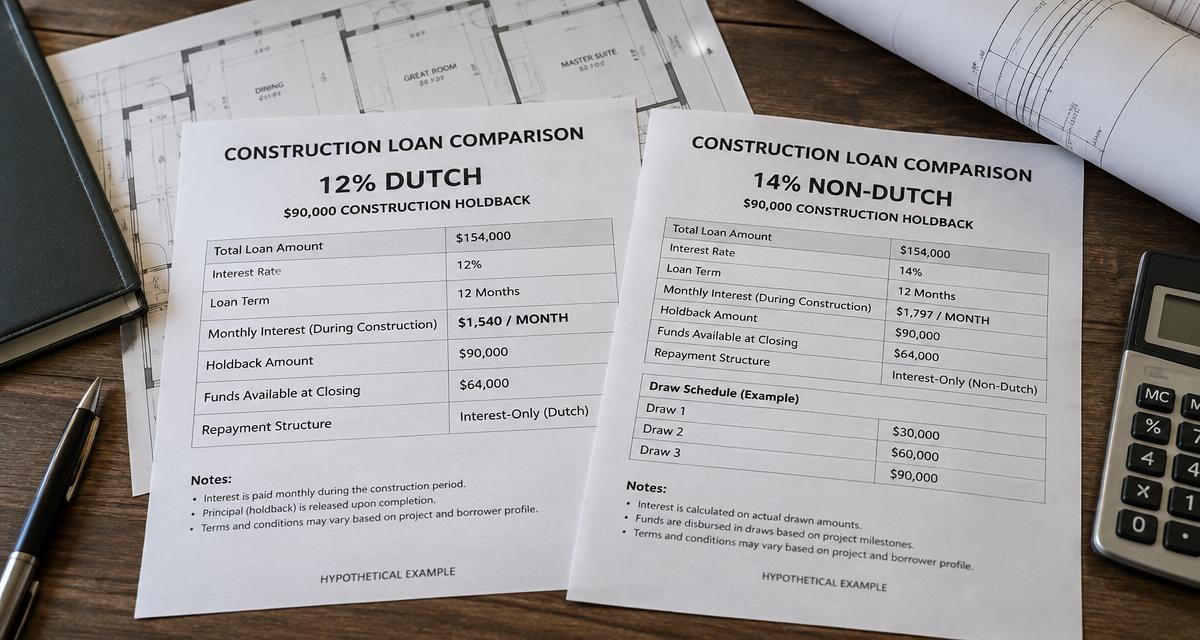
12% vs. 14% Construction Loans: Which Costs Less?
Interest rates matter, but fees, construction draws and payoff timing determine total cost. Compare 12% full commitment interest with 14% on disbursed funds using a transparent hypothetical example.
Construction Financing
You Split One Property Into Two Lots, but the Lender's Lien Is Still on Both. What Happens to Your Construction Loan?
A lot split does not automatically split an existing lien. This Florida guide explains partial lien releases, why an updated appraisal cannot remove a recorded lien, who approves a release, how construction lenders evaluate lien position, and the documents to have ready before applying.

Construction Financing
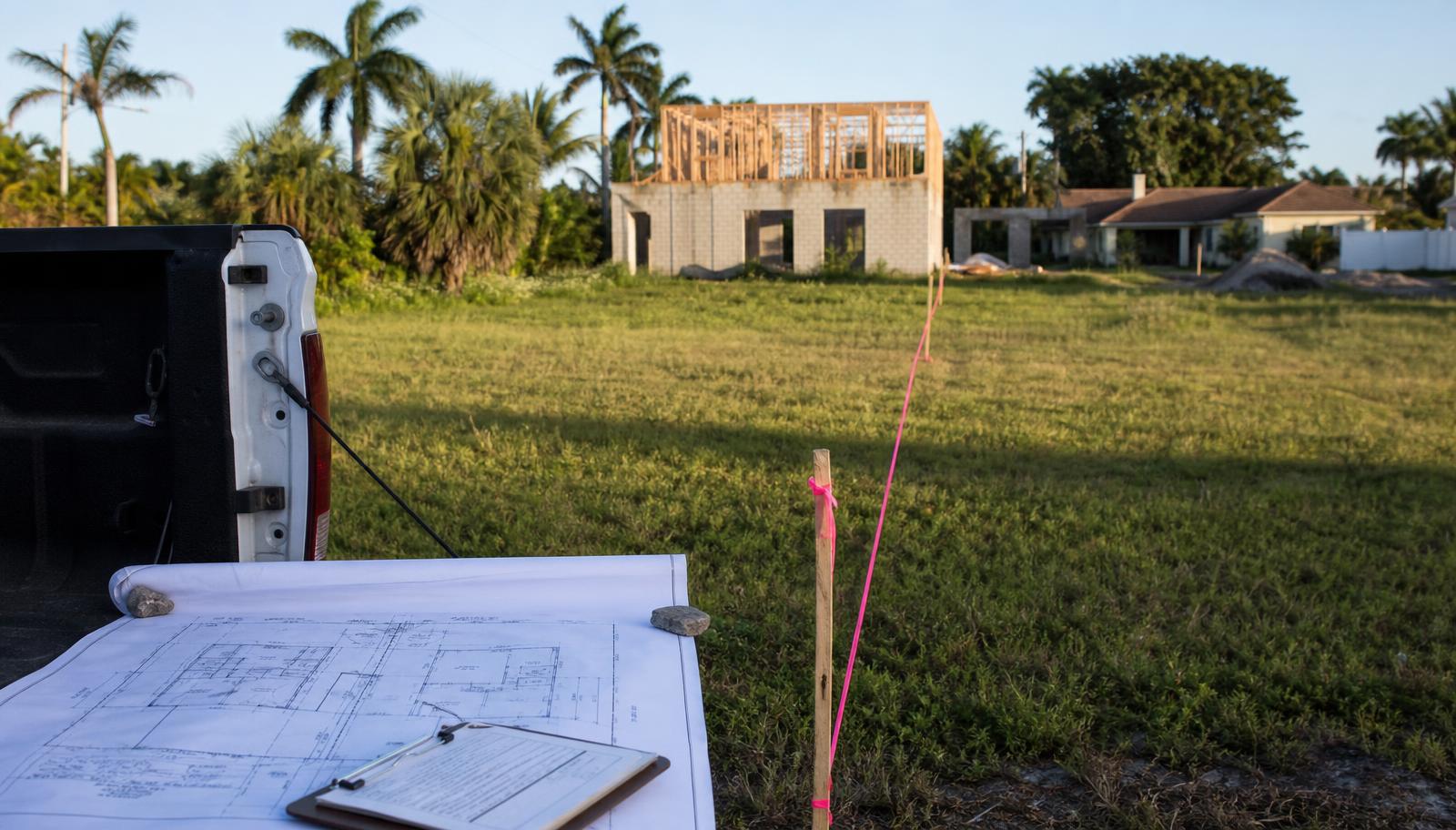
Dutch vs. Non-Dutch Interest on Construction Loans: What Borrowers Need to Know
Dutch interest is calculated on the full construction loan commitment. Non-Dutch interest is calculated on funds actually advanced. Worked $2 million examples, a full 12-month draw table, a Naples scenario and an interactive calculator show why a 12% loan can cost less than a 10% loan.
Construction Financing
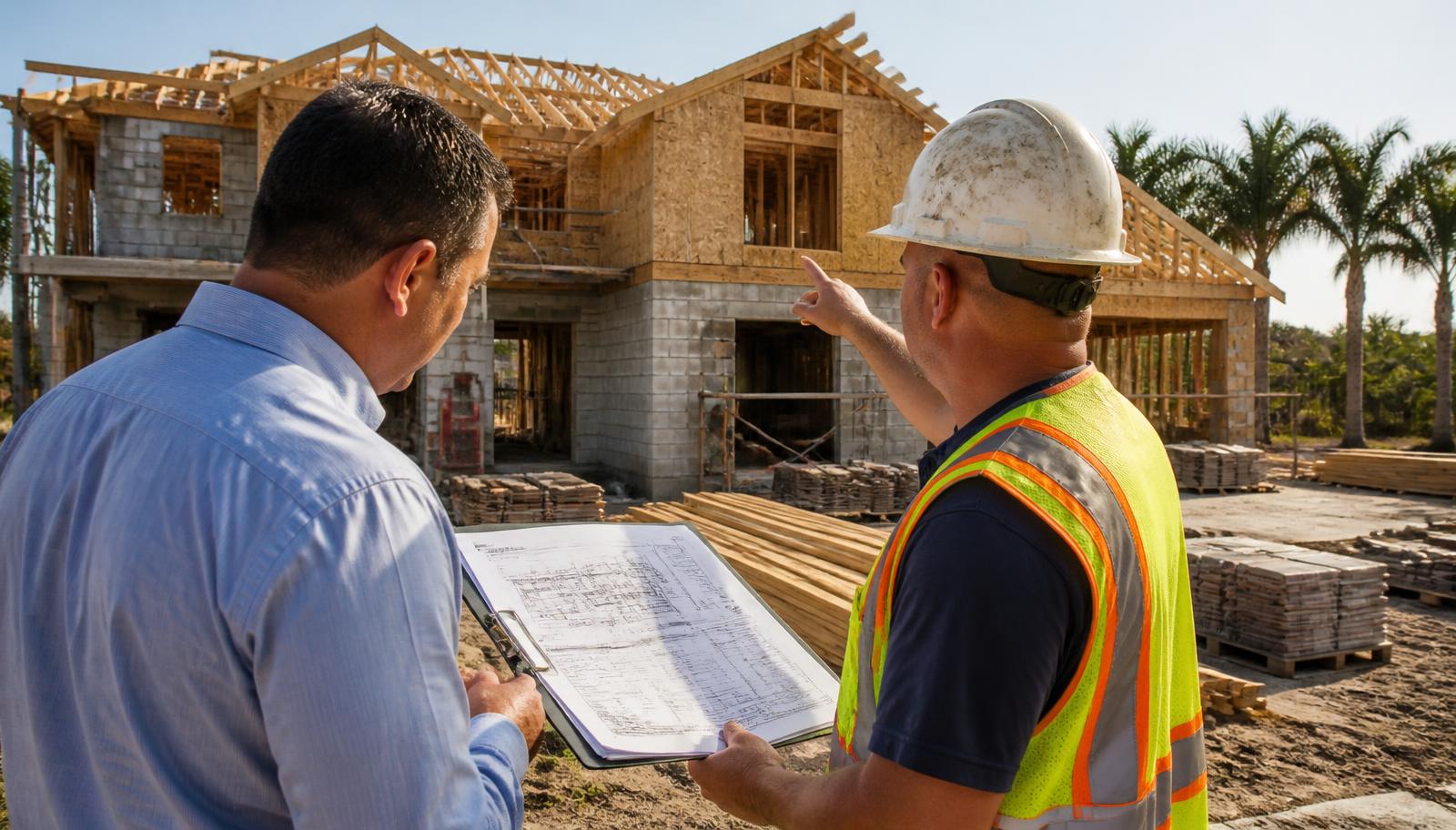
Construction Loan Draw Schedule Explained: How Private Lenders Release Funds
Construction loans do not fund in one lump sum. Funds release in stages tied to completed milestones. Here is the typical draw schedule, the documentation each request needs, how inspections and interest work, and why draws get delayed.
Investor Education
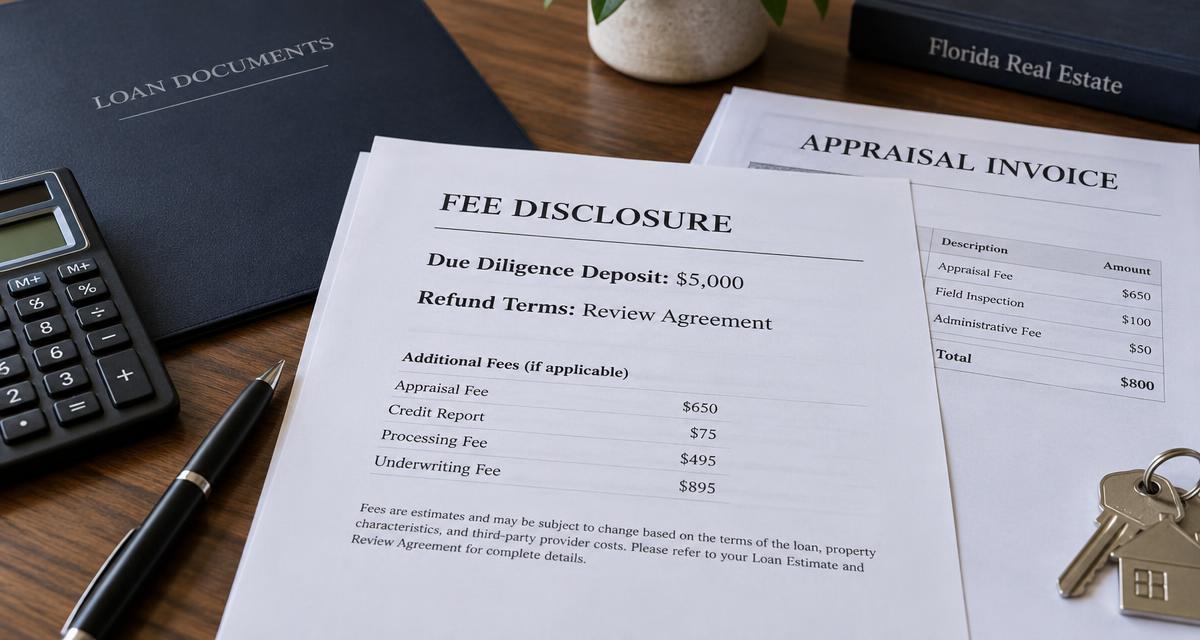
Upfront Due Diligence Deposits: How Florida Borrowers Can Avoid Costly Financing Mistakes
Know who receives your money, what work it covers and what happens if financing fails. A practical Florida guide to upfront deposits, written fee terms and independent verification.
Bridge Loans
Commercial Bridge Loans in Florida: A Complete Guide to $5M to $20M Financing
The pillar guide to commercial bridge loans in Florida: what they are, who they fit, how LTV sizes a $5M to $20M request, what documents lenders need, how appraisals and exit strategies drive approval, and when bridge financing is the wrong tool.
Florida Real Estate Market
Florida Housing Construction Trends 2026: What Fewer Building Permits Mean for Real Estate Investors
Florida building permits have slowed in 2026. Here's what fewer new construction starts mean for investors, plus the loan programs that help you move faster than traditional banks.
Vacant Land Financing
Vacant Land Financing in Florida (2026 Investor Guide)
A complete 2026 guide to vacant land financing in Florida, how it works, qualifying land types, exit strategies, comparison to construction and bridge loans, real investment examples, common mistakes, and a full investor checklist.
Construction Loans
What Is a Construction Loan in Florida? The Complete Investor Guide (2026)
A complete 2026 guide to construction loans in Florida, how draw schedules work, who qualifies, private vs. bank financing, LTC and LTV, Florida-specific building challenges, real examples, and the mistakes investors should avoid.