Construction Financing
What Happens When a Construction Loan Expires Before the Project Is Finished? | Florida Guide
Published By Luminary Private Lending
- Author:
- Ivan Padilla
- Reviewed By:
- Kevin Mazzola
- Published:
- September 16, 2026
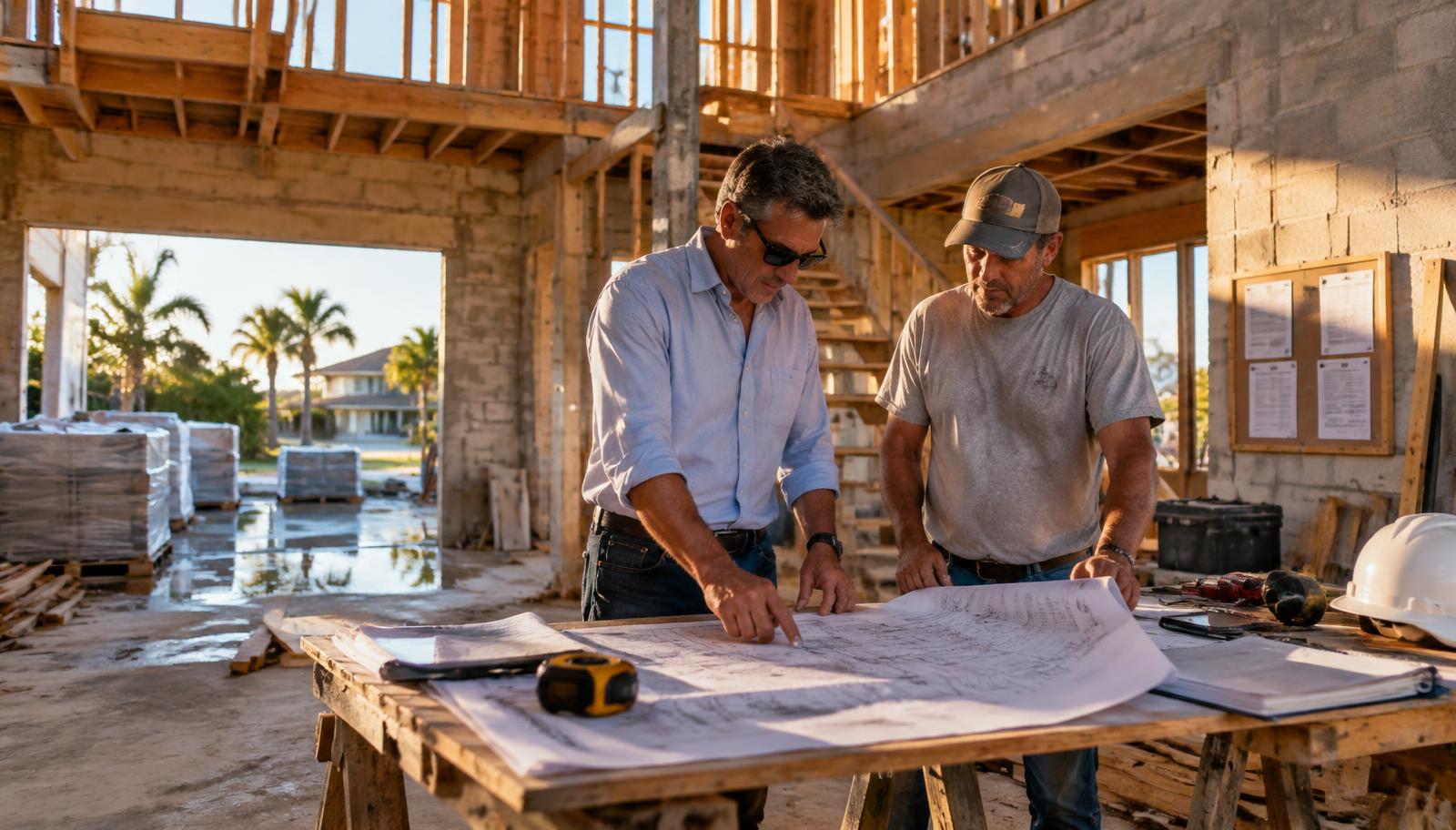
An unfinished construction project does not automatically extend a maturing loan. This Florida guide explains extensions, modifications, refinancing, unused draws, updated appraisals, cost overruns and the documents lenders may review.
If construction is not finished when a loan reaches maturity, the borrower may need an extension, modification, refinance, payoff or another lender approved resolution. Nothing extends automatically: the loan documents control, and the lender will usually review progress, remaining costs, collateral, payment history and the exit strategy before deciding what happens next.
Quick Answer
Construction delays do not move the maturity date. The date in the loan documents remains in effect unless the lender agrees otherwise.
An extension is possible, not guaranteed. Approval depends on the agreement, project status and current underwriting review.
Ask before maturity. Early communication gives the lender time to review the remaining budget, timeline and repayment plan.
More time does not cure a funding gap. If costs increased, the borrower may still need additional capital or a revised financing structure.
Key Takeaways
- A construction loan term runs from closing to the contractual maturity date.
- An unfinished project may be considered for an extension, modification, refinance or other approved resolution.
- The lender may request updated inspections, budgets, schedules, title work, payoff information or an appraisal.
- Unused construction draws are governed by the loan agreement and should not be assumed available after maturity.
- Borrowers should raise a likely delay well before the loan comes due.
What This Florida Guide Covers
- What a construction loan term means
- What happens when maturity arrives first
- Can you extend a construction loan in Florida?
- Why projects miss their original timeline
- Construction loan extension versus refinance
- A hypothetical Florida delay
- Why percentage complete matters
- What happens to unused draws
- Whether another appraisal may be required
- How cost overruns change the analysis
- Information to have ready
- How to plan before construction begins
- Frequently asked questions
What Is a Construction Loan Term?
The loan term is the period between closing and maturity. If a construction loan has a 12-month term, the borrower generally has those 12 months to carry out the project and put the agreed exit strategy in place.
Construction financing is usually short term, business purpose financing rather than permanent debt. The planned exit may be a sale of the finished property, a refinance into longer term financing, repayment with other available capital or another strategy the lender accepts.
Definition. Construction loan maturity is the date the outstanding loan becomes due under the loan documents. The construction schedule and the loan term are related, but they are not the same. A delayed project does not, by itself, change the contractual maturity date.
What Happens If a Construction Loan Matures Before Construction Is Finished?
The borrower should not assume the loan renews automatically. Depending on the documents, project and lender approval, possible paths include a short extension, a modification or renewal, refinancing the unfinished project, paying off the loan, or another approved resolution. If no agreement is reached, the lender retains the rights and remedies stated in the loan documents.
The strongest files make the problem measurable. The lender needs to understand what is complete, what remains, the cost and time to finish, current title and lien status, and how repayment will occur.
Can You Extend a Construction Loan in Florida?
Potentially. A Florida construction lender may approve additional time after reviewing the loan agreement, payment history, percentage complete, remaining budget, contractor and permit status, collateral value and updated exit strategy. An extension is generally discretionary, may require new documents and fees, and is not effective unless the lender formally approves it.
A request may involve an extension of the existing maturity date. A larger change can require a formal modification, renewal or restructuring. Terms, pricing, documentation and approval standards vary by lender and transaction.
Why Do Florida Construction Projects Run Past Their Original Timeline?
Permits and inspections
Plan review, revisions, permits and inspections can take longer than projected. Florida requirements are applied through state and local building authorities. Borrowers can review the statewide framework through the Florida Building Commission and should confirm the process with the city or county handling the project.
Weather and site conditions
Heavy rain, tropical systems, hurricanes and flooding can suspend work. Drainage, soil, utility, structural or environmental conditions may also appear after work starts.
Contractors, trades and materials
Construction depends on trades working in sequence. One delayed subcontractor can affect several later stages. Windows, roofing, electrical equipment, HVAC systems and specialty materials can also carry long lead times. Florida contractor licensing can be checked through the Florida Department of Business and Professional Regulation.
Change orders
Design or scope changes can alter permits, inspections, costs and schedules. Even a reasonable improvement may push the completion date beyond the original underwriting assumptions.
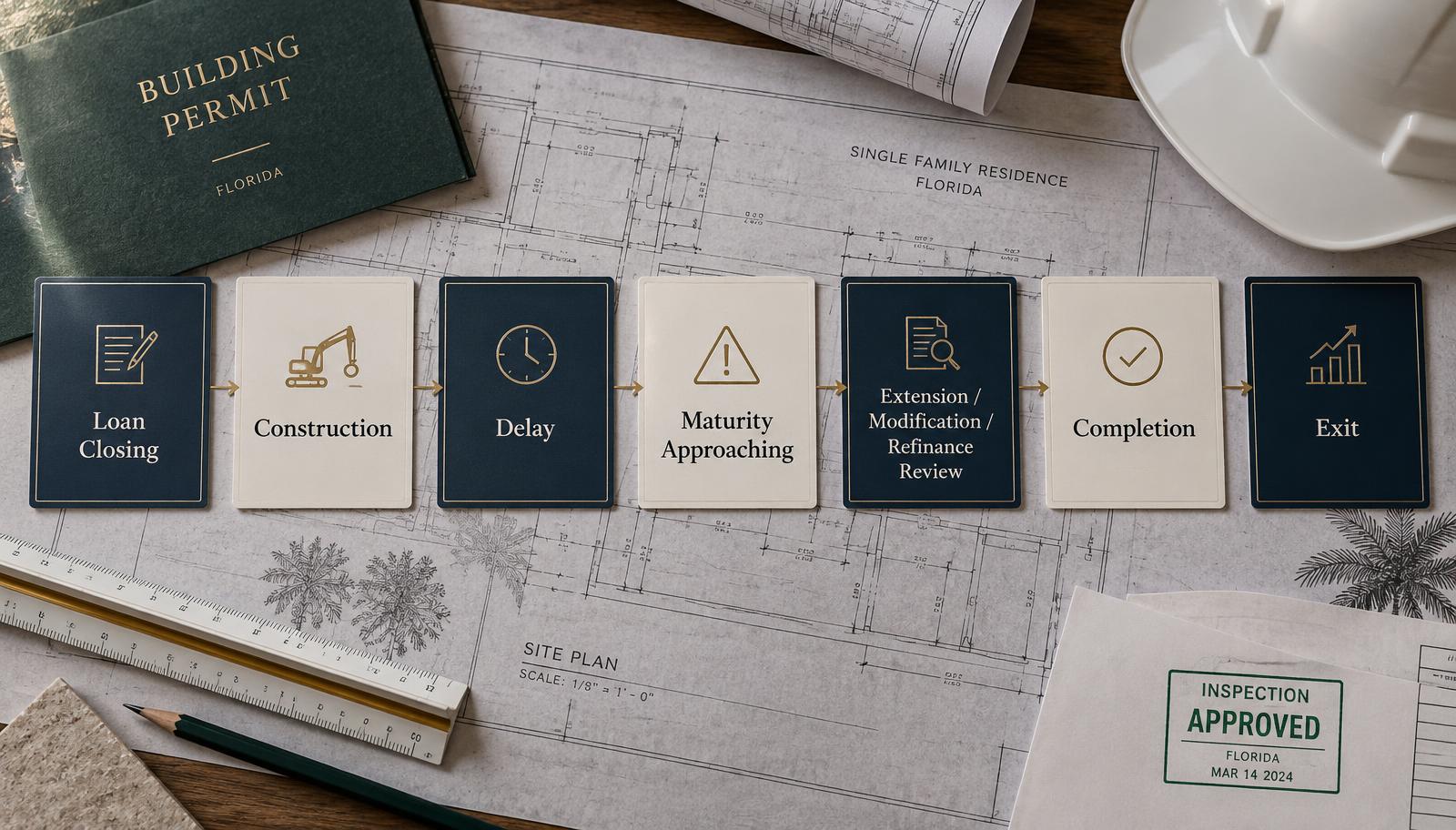
Construction Loan Extension vs. Refinance
| Factor | Extension or Modification | Refinance |
|---|---|---|
| Purpose | Provide more time under the existing lending relationship | Replace the current loan with a new financing structure |
| When considered | The project remains supportable but needs additional time or limited changes | The borrower needs a different term, lender, amount or structure |
| Documentation | Updated schedule, budget, progress, title and exit information may be required | A new application and a more complete underwriting package are commonly required |
| Appraisal | May be requested if material time has passed or the project changed | Often considered as part of new collateral underwriting |
| Underwriting | Current lender reviews the changed risk and requested terms | New or current lender underwrites the transaction as replacement financing |
| Approval | Not automatic and must be documented | Subject to full lender approval and a successful closing |
General comparison only. The controlling loan documents and lender requirements determine the available options.
Hypothetical Florida Example: Permitting Pushes a Project to Month 15
Hypothetical example only. A Florida investor closes a 12 month construction loan. Plan revisions and local permitting delays push expected completion to month 15. At month nine, the borrower sends the lender current photographs, inspection history, a remaining cost report, an updated schedule and a revised sale or refinance plan.
The lender can now evaluate a defined three month timing gap before maturity. It may consider an extension or modification, ask for more borrower capital, request updated valuation or title information, or determine that a refinance is more appropriate. No particular result is guaranteed.
What If the Property Is Almost Finished?
A project that is 90% complete can present a different risk than one that is 30% complete. A borrower may need only final inspections, a certificate of occupancy and time to prepare the property for sale. Another project may still require structural work, major trades and substantial funding.
Percentage complete is not the only answer. The lender also needs the remaining scope, cost to complete, realistic completion date, permit and contractor status, and repayment plan.
What Happens to the Remaining Construction Draws?
Borrowers should not assume unused construction funds remain available after maturity. The loan agreement and construction draw process control disbursements. Before approving more time or future draws, a lender may reconcile completed work, remaining funds, lien releases, inspections and the revised cost to complete.
Addressing the timeline before maturity gives the lender and borrower more room to define how any remaining draw funds will be managed.
Could the Property Need Another Appraisal?
Potentially. A lender may request an updated appraisal, inspection or progress report when significant time has passed, costs or plans changed, or current collateral position needs to be confirmed. A construction appraisal may address current as is value and expected value at completion, depending on the assignment.
For more context, see what a lender reviews in a construction loan appraisal and how LTV, LTC and ARV affect construction underwriting.
What If Construction Costs Increase?
More time does not create more money. Hypothetically, if the original budget was $600,000 and the revised cost to complete is $675,000, the project has a $75,000 funding gap. Extending maturity alone does not solve it.
The lender must understand how the additional costs will be funded. The borrower may need to contribute more capital, revise the scope where feasible or pursue a different approved financing structure.
Do Not Wait Until the Maturity Date
If the loan matures in 90 days but the project needs six more months, the lender should know now. Waiting until the final days reduces the time available for inspections, document review, appraisal, title work, internal approval or replacement financing.
Early notice does not guarantee an extension, but it gives all parties a clearer opportunity to assess the project while options remain.
Information to Have Ready When Requesting More Time
- Current construction status and dated photographs
- Updated schedule and estimated completion date
- Remaining scope of work and cost to complete budget
- A written explanation of the delays
- Contractor and subcontractor status
- Permit and inspection status
- Current draw history and remaining loan funds
- Updated exit strategy and anticipated payoff timing
- Current payoff information and title or lien updates
- Material changes to plans, use, ownership or project scope
Plan for Delays Before Construction Begins
Before closing, ask how long the term runs, whether extensions may be considered, who approves them, what fees or updated documents may apply, how draws work near maturity and what backup exit is available. These questions can be as important as the initial rate or loan amount.
Luminary evaluates Florida construction financing by looking at the property, budget, timeline, completed value, borrower liquidity, draw structure and exit strategy. Each transaction remains subject to underwriting, appraisal, title, documentation and final approval.
Frequently Asked Questions
Can a construction loan be extended?
Potentially. An extension depends on the loan documents and lender approval. The lender may review progress, remaining costs, payment history, title, collateral, contractor status and the revised exit strategy. A borrower should request consideration before maturity and should not treat additional time as automatic.
What happens when a construction loan matures?
The balance becomes due under the loan documents. If construction is unfinished, possible resolutions may include an approved extension, modification, refinance, payoff or another agreed structure. The available path depends on the contract, project condition and lender approval.
Can I refinance an unfinished construction project?
Possibly. A refinance lender will typically review current progress, cost to complete, permits, plans, contractor information, title, existing payoff, appraisal and exit strategy. An unfinished project can require more documentation than a completed property refinance.
What happens to unused construction draws?
The loan agreement and draw schedule control. Unused funds should not be assumed available after maturity. The lender may reconcile completed work, inspections, lien releases, remaining budget and cost to complete before deciding whether further draws can occur under an approved extension or modification.
Will I need another appraisal?
Maybe. A lender can request an updated appraisal or other valuation when time has passed, plans or costs changed, or current collateral position needs confirmation. The requirement depends on the transaction and lender.
When should I request an extension?
As soon as a material delay makes the original completion date unrealistic. Contacting the lender well before maturity leaves time to review documents, inspect the project and evaluate an extension, modification or refinance before the existing loan comes due.
Construction Project Running Behind Schedule?
Discuss your Florida financing scenario with Luminary Private Lending. Send the current construction status, remaining budget, updated schedule, loan maturity date and exit strategy so the team can understand the request. Contact Luminary or get a construction financing review.
About Luminary Private Lending
Luminary Private Lending serves real estate investors, builders and developers throughout Florida with business purpose bridge, construction, vacant land and second mortgage financing. Learn more about the Luminary team, review Fair Lending information or contact the Orlando office.
Author and Reviewer
Author. Ivan Padilla, Director of Growth and Real Estate Lending Specialist, Luminary Private Lending. Ivan works with Florida investors and builders on private real estate financing. Meet the team.
Reviewed by. Kevin Mazzola, Founder of Luminary Private Lending. About Kevin.
Published: September 16, 2026. Last updated: September 2026. Last reviewed: September 16, 2026. This article is for general educational information only. It is not a commitment to lend or legal, tax or financial advice. Loan terms, extensions, renewals, modifications, refinances and approvals depend on underwriting, collateral review, documentation, the controlling loan documents and lender approval.
Related Florida Lending Resources
Keep Reading
Latest Insights
Keep exploring Florida private lending insights.
Construction Financing
You Split One Property Into Two Lots, but the Lender's Lien Is Still on Both. What Happens to Your Construction Loan?
A lot split does not automatically split an existing lien. This Florida guide explains partial lien releases, why an updated appraisal cannot remove a recorded lien, who approves a release, how construction lenders evaluate lien position, and the documents to have ready before applying.
Construction Financing
Land Acquisition + Construction Financing in Florida: Can Both Be Included in One Loan?
A Florida developer's guide to combining land acquisition and construction financing in one loan: how acquisition advances and construction draws work, LTC vs. LTV, land equity as contribution, what costs are and are not funded, and what lenders need to approve the request.
Construction Financing
Ground-Up Construction vs. Heavy Rehab Financing in Florida
Ground-up construction financing builds a new property from vacant land or after demolition. Heavy rehab financing funds major renovation of an existing structure. Here is how Florida private lenders underwrite each, with worked LTC and ARV examples.

Construction Financing
Dutch vs. Non-Dutch Interest on Construction Loans: What Borrowers Need to Know
Dutch interest is calculated on the full construction loan commitment. Non-Dutch interest is calculated on funds actually advanced. Worked $2 million examples, a full 12-month draw table, a Naples scenario and an interactive calculator show why a 12% loan can cost less than a 10% loan.
Construction Financing
Construction Loan Draw Schedule Explained: How Private Lenders Release Funds
Construction loans do not fund in one lump sum. Funds release in stages tied to completed milestones. Here is the typical draw schedule, the documentation each request needs, how inspections and interest work, and why draws get delayed.
Bridge Loans
Commercial Bridge Loans in Florida: A Complete Guide to $5M to $20M Financing
The pillar guide to commercial bridge loans in Florida: what they are, who they fit, how LTV sizes a $5M to $20M request, what documents lenders need, how appraisals and exit strategies drive approval, and when bridge financing is the wrong tool.

Vacant Land Financing
Vacant Land Financing in Florida (2026 Investor Guide)
A complete 2026 guide to vacant land financing in Florida, how it works, qualifying land types, exit strategies, comparison to construction and bridge loans, real investment examples, common mistakes, and a full investor checklist.
Construction Loans
What Is a Construction Loan in Florida? The Complete Investor Guide (2026)
A complete 2026 guide to construction loans in Florida, how draw schedules work, who qualifies, private vs. bank financing, LTC and LTV, Florida-specific building challenges, real examples, and the mistakes investors should avoid.

Investor Education
Can an LLC Get a Real Estate Loan Without Personal Credit? A Florida Private Lending Guide
An LLC real estate loan without personal credit as the deciding factor is possible with asset-based private lenders. This Florida guide covers what lenders review instead, LTV math with worked scenarios, new-LLC and free-and-clear situations, the difference between a credit pull and a personal guarantee, and a borrower document checklist.
Investor Education
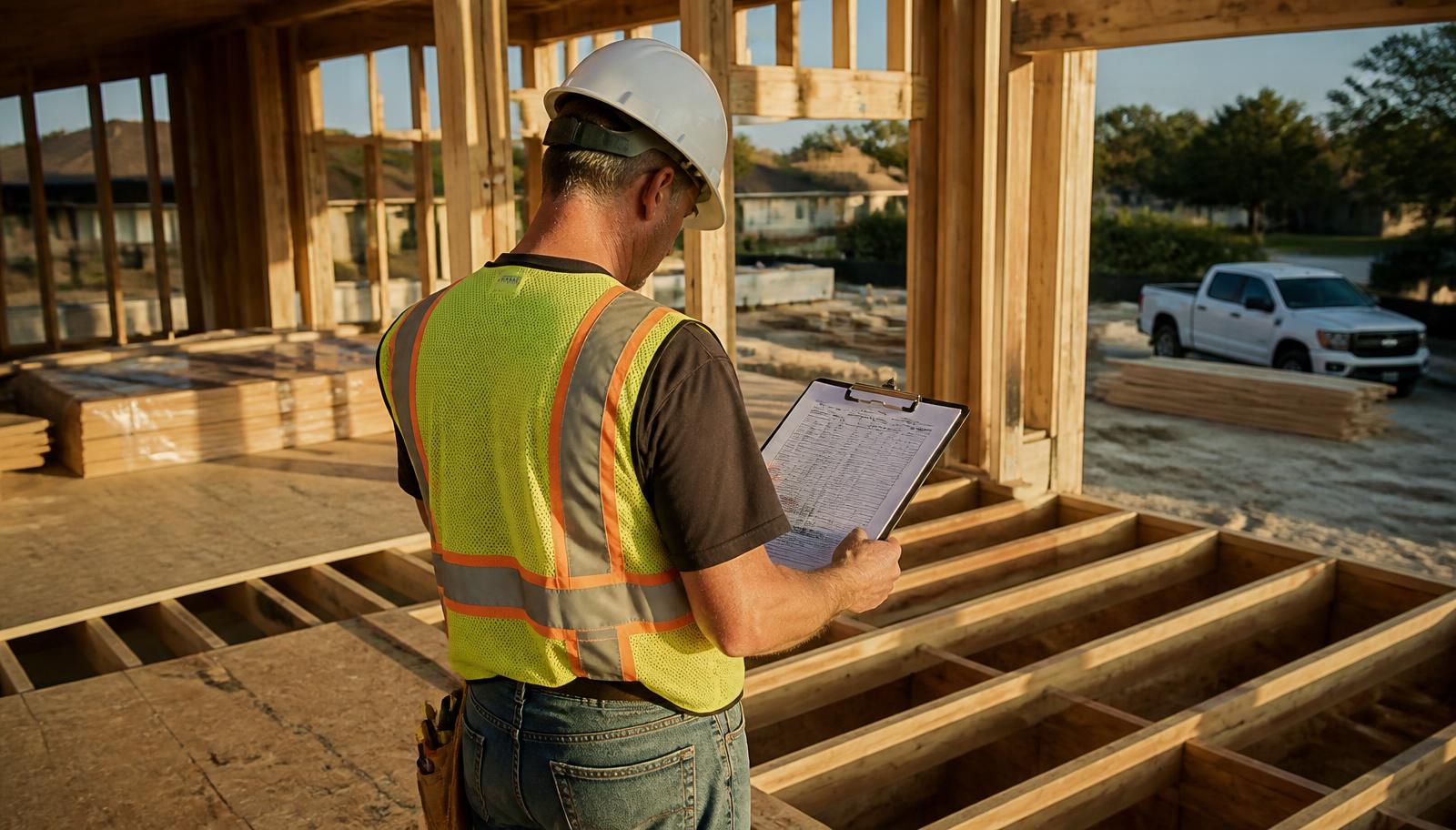
What Is an Interest Reserve in a Construction Loan? A Complete Guide for Builders and Contractors
An interest reserve covers construction loan interest from loan proceeds while the property produces no income. Here is how lenders size it, how it interacts with the draw schedule, and what happens when a build runs long.
Investor Education
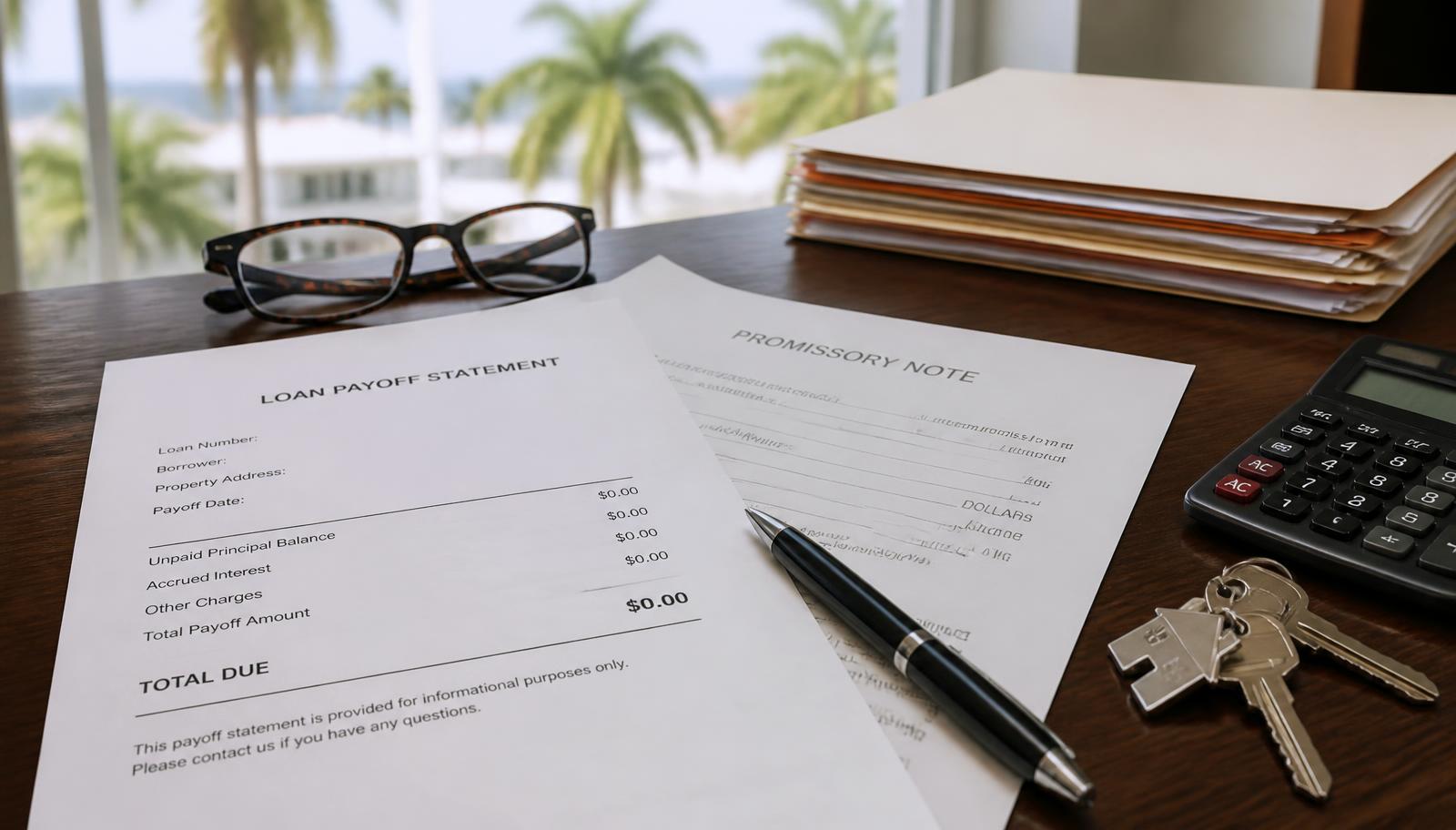
What Is a Balloon Payment? A Complete Guide for Real Estate Investors in Florida
A balloon payment is a large final payment due at the end of a short term loan. Here is how balloon loans work, which programs use them, real Florida examples, the risks, and how investors plan an exit strategy before borrowing.
Florida Real Estate Market
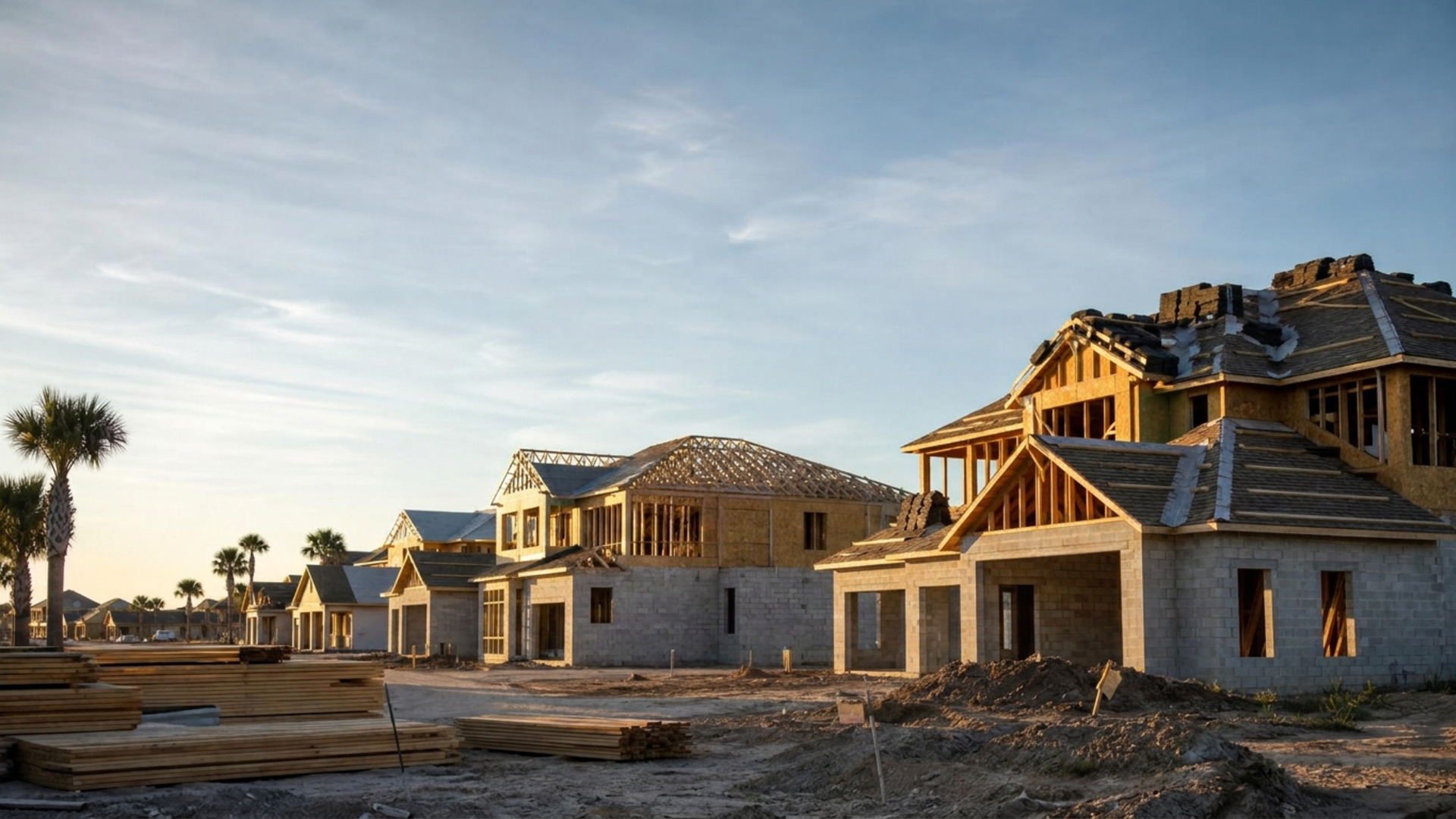
Florida Housing Construction Trends 2026: What Fewer Building Permits Mean for Real Estate Investors
Florida building permits have slowed in 2026. Here's what fewer new construction starts mean for investors, plus the loan programs that help you move faster than traditional banks.